The Guide to Collecting and Aging Beer
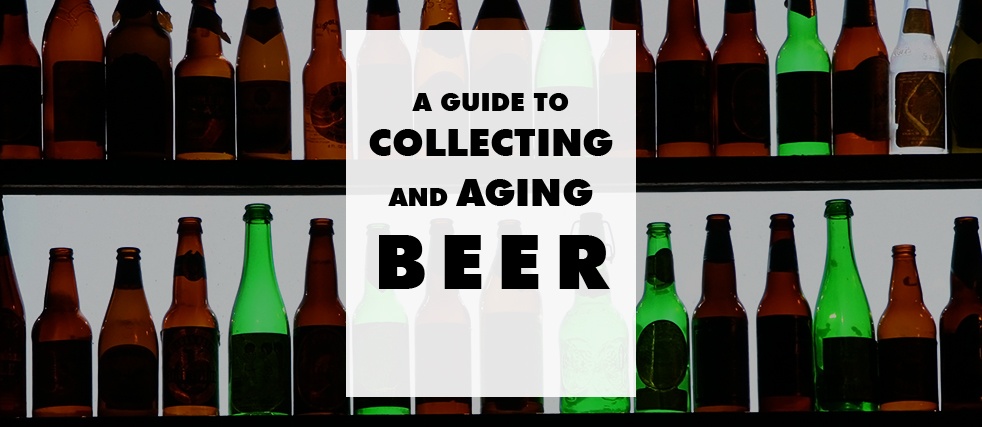
Just to be clear, no beer needs to be aged. In fact, lots of beer shouldn’t be. Still, some finely crafted beverages out there can develop over time and really display different characteristics when you decide to crack them open. You may be well on your way to enjoying come cellared wonders, but if you aren’t, and want to get started, here are a few tips.
8%+ ABV
Dark, Malty & Strong Beers
Some Sour Beers
Most Hoppy Beers
Low Alcohol Beers
Fruit-Forward Beers
WHAT TO SAVE & WHAT NOT TO
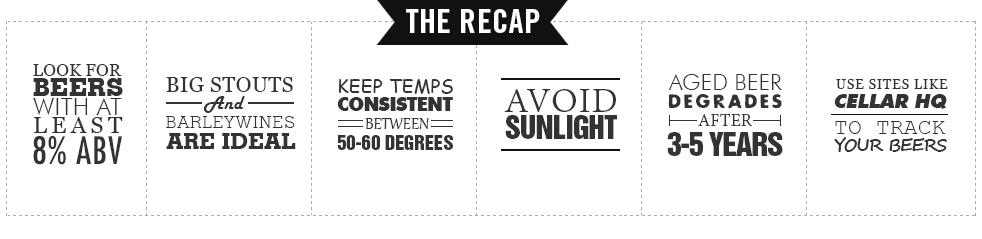
Figuring out which bottles will be worth stashing away is the first step to starting your cellar. Generally, big, malty, dark beers work well. Have some bomb of a stout you just picked up, it can mellow out over time allowing different characteristics of the beer to shine through. Shoot for brews over 8% ABV.
Barleywines are usually great for aging as well as sours/wild ales/lambics.
Beers that happen to be bottle-conditioned – beers naturally carbonated in the bottles thanks to yeast and residual or added sugar – can work because the profile of the beer will obviously evolve over time.
Hop-forward beers usually don’t age well. There are exceptions, of course, but for the most part, IPAs, pale ales and others will lose some of that delicious hoppiness as time goes by. This goes for hop-centric stouts or other styles as well where the hops impart serious aroma, bitterness or overall character to the beer.
Also keep in mind the alcohol content of the beer. For the most part, weaker beers are not ideal for long periods of aging.
Watch out for beers that have added flavor from fruits, spices or other additions as a lot of those components of the beer’s profile will fade with time.
Getting Started
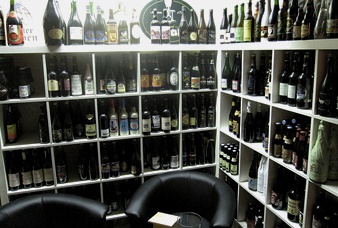 which is why keeping your beer in the fridge keeps it fresher, longer. While this works for beers you are going to drink soon, having your cellar too cold will halt your brews from evolving. On the flipside, high temps can wreck havoc on your precious stash. The ideal temperature is probably between 50-60 degrees without much fluctuation. While you can go out and buy a temperature controller to help with unexpected spikes, a cool basement will usually be just fine.If you happen to be storing beers that are corked, you will also want to pay a little bit of attention to the humidity of your cellar/basement. If the humidity is too low, corks can dry out. Finally, if you get serious about crafting your own beer cellar, you’re going to want to keep tabs on everything.
We’d recommend a site like Cellar HQ or The Beer Cellar to keep track of your bottle collection.
Image: Bernt Rostad
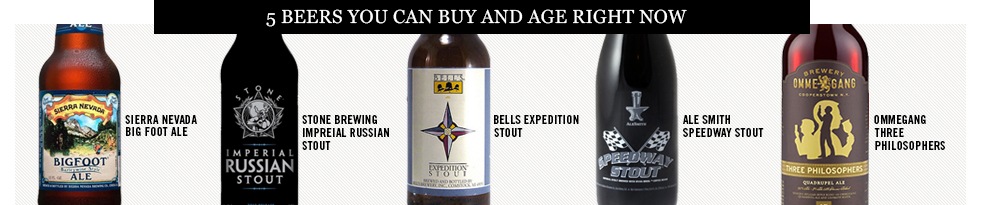
The safe bet is to stand your bottles upright. Some say that corked bottles should be stored on their sides to keep the cork from drying out, but most beers will be better off standing up with less of a chance of rapid oxidation.
How Long Should You Age Your beer?
How does taste develope with age?