
There’s a certain charm to the municipal golf course.
The parking lot is a mix of pickup trucks, aging sedans, and one suspiciously expensive German SUV. The clubhouse coffee tastes like it was brewed yesterday. The guy behind the counter has been working there since the Clinton administration. And the starter looks at your tee time, looks at his watch, and waves you toward the first tee with all the enthusiasm of a DMV employee.
The fairways have a few bald spots. The bunkers might be a little more gravel than sand. And there’s a decent chance you’ll get paired with a retired electrician who plays three times a week, uses a driver older than you, and will absolutely take your money.
And yet, there’s nowhere you’d rather be. At least sometimes.
Golf has become increasingly obsessed with the finer things. Exclusive memberships. Bucket-list resorts. Immaculate conditions. Clubhouses that look like five-star hotels. Greens fees that require a moment of quiet reflection before clicking Book Now.
We love that stuff, too. Who wouldn’t?
But somewhere between the $500 rounds and the $5,000 golf trips, it’s worth remembering that some of the best golf experiences happen at places that offer none of those things.
The humble municipal golf course isn’t a lesser version of the game. In many ways, it’s golf at its purest.

The Democracy of the First Tee
Spend enough time at a municipal course and you’ll encounter just about every type of golfer imaginable.
There are retirees who’ve been playing the same Tuesday morning foursome for decades. College kids with mismatched clubs and borrowed shoes. Serious golfers grinding away on their short games. Beginners who haven’t quite figured out which end of the club does what. And the occasional guy who looks like he accidentally wandered by and proceeds to shoot a 74.
It’s a wonderful cross-section of humanity.
And unlike the private clubs where membership can depend on who you know, how much you earn, or whether someone is willing to write you a letter of recommendation, the municipal course has a refreshingly simple admission policy.
Of course, municipal golf isn’t always dirt cheap. Some city-owned courses are genuinely spectacular, and their prices reflect it. But the underlying principle here remains. These are public spaces, built to make the game available to the public.
Perfect Conditions Are Overrated
Let’s acknowledge something. Not every municipal golf course is a masterpiece of landscape architecture.
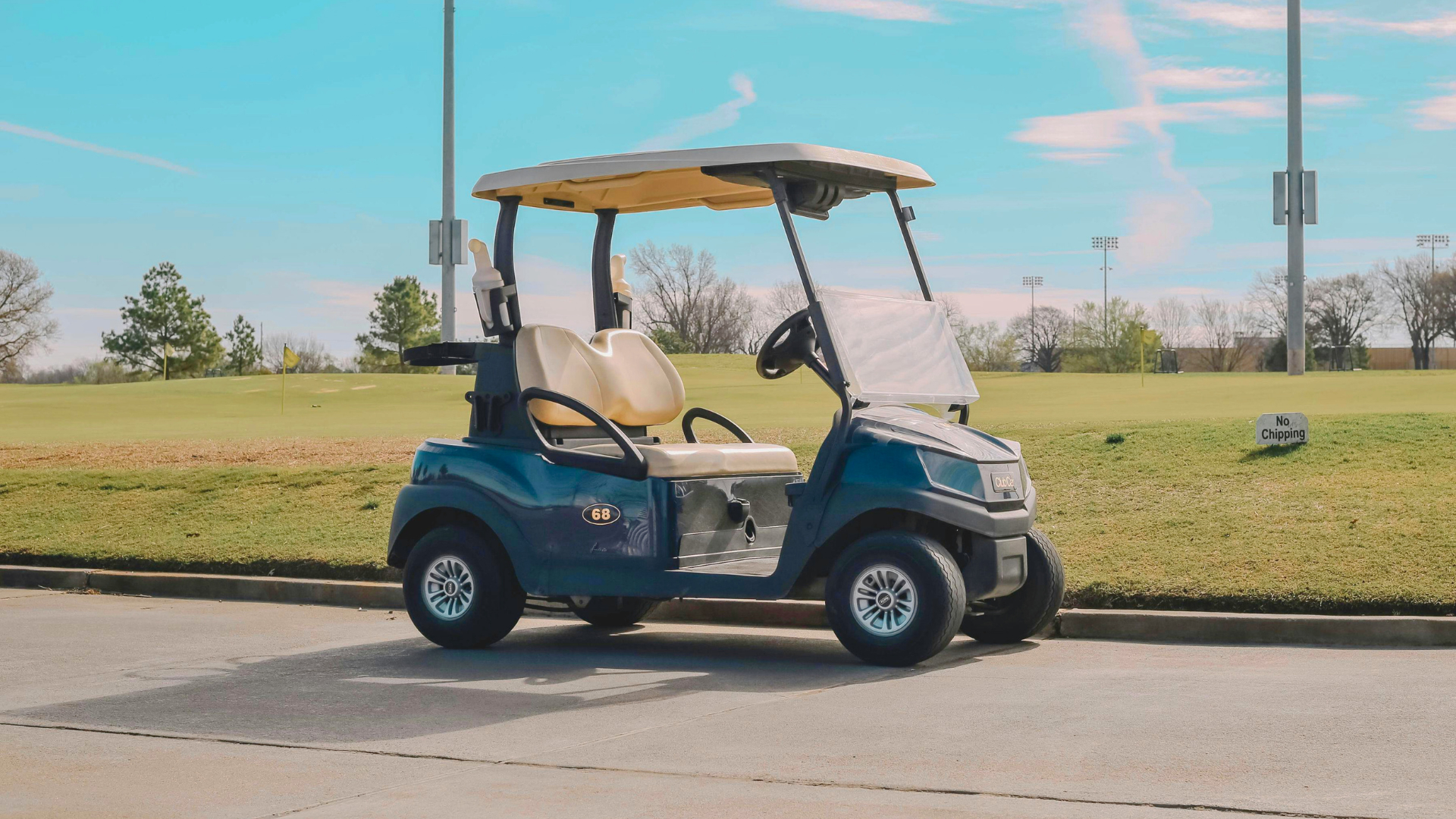
Some have greens that roll like shag carpeting. Some have cart paths that would be better suited to an off-road vehicle. And some are absolutely beautiful, expertly maintained courses that can compete with far more expensive destinations.
That’s part of the charm. You never quite know what you’re going to get.
Golf wasn’t designed to be played under laboratory conditions. A strange bounce is part of the game. So is an awkward lie. We’ve become so accustomed to judging golf courses by their perfection that we sometimes forget to appreciate their personality.
A quirky dogleg. A ridiculous uphill approach. A par three that looks innocent until you’ve put three balls in the water. These are the things that make a course memorable.
Nobody gets together 20 years later to reminisce about how consistently the greens rolled. They remember the hole where Dave made a hole in one. Or the one where Dave made an 11. Usually both.

The Best Part of Golf Isn't Always the Golf
Ask someone why they love golf and they’ll probably mention the competition, the challenge, the scenery, or the occasional miraculous shot that keeps them coming back.
But we’d argue that a lot of what makes golf special happens between those moments.
It’s the conversation on the walk to the next tee. The friend who tells the same story every round. The stranger you get paired with who turns out to be one of the most interesting people you’ve met.
It’s the post-round beer that tastes better than it should. The terrible coffee. The ritual of sitting around a table, reviewing the round as if it were a matter of national importance.
Municipal courses are particularly good at fostering this sort of thing.
They’re neighborhood institutions. Places where the regulars know the staff, where familiar faces show up at familiar times, and where the game becomes part of the rhythm of everyday life.
You don’t need to organize an elaborate golf weekend. You don’t need to plan months in advance. Sometimes you just need a free afternoon and a friend who can sneak away from work.
Golf is technically an individual sport. But some of its greatest pleasures are communal.
You might forget what you shot last Saturday. You probably won’t forget who you played with.

More Than Just a Cheap Round
There’s also a bigger reason to appreciate municipal golf. These courses matter.
They’re often where people first encounter the game. Where kids learn to swing a club. Where beginners can make mistakes without feeling like they’ve wandered into a place they don’t belong. Where golfers can play regularly without treating every round like a major financial decision.
And at a time when golf seems to be getting more expensive, more fashionable, and more commercially ambitious, that accessibility matters more than ever.
A sport can’t survive on exclusivity alone. It needs places where the next generation can discover it. Where people can develop a lifelong relationship with the game.
And here’s some good news. Municipal golf is actually growing. According to the National Golf Foundation, the number of municipal courses in America has increased 7% since 2006, even as the country’s overall supply of golf courses has declined nearly 13%. At the beginning of 2026, there were almost 3,000 municipal courses nationwide.
Even Augusta, home of perhaps the most exclusive golf tournament on the planet, is investing in public golf. The city’s municipal course, affectionately known as The Patch, reopened this spring following a major renovation. It even features a new nine-hole short course designed by Tiger Woods’ design firm. And local residents can walk 18 holes for as little as $25 on weekdays.
A pretty remarkable contrast to the green jackets and invitation-only fairways just down the road.

Long Live the Muni
None of this is to suggest that there’s anything wrong with a spectacular private course or a once-in-a-lifetime golf trip. To the contrary. We’d happily accept an invitation to Pine Valley. We’d be delighted to spend a week at Bandon Dunes. And if someone wants to treat us to a round at Pebble Beach, we’re not going to make a speech about the importance of affordable public recreation. We’re going to ask what time we should be there.
But there’s something wonderfully uncomplicated about the local municipal course for everyday life. You show up. You pay your money. You play your round.
Maybe the greens are a little bumpy. Maybe the clubhouse could use a fresh coat of paint. Maybe you spend 15 minutes looking for a ball in rough that hasn’t seen a mower in a while. But you got outside. You spent a few hours in good company. You laughed at a few terrible shots. You hit one so perfectly that you’ll be thinking about it for the next three days.
Long live the muni.
May the greens be slightly bumpy, the beers reasonably priced, and the tee times always available.
More Lifestyle

The Charming Luxury of RLX Ralph Lauren Golf
Proof that pricey taste doesn't have to take itself too seriously.
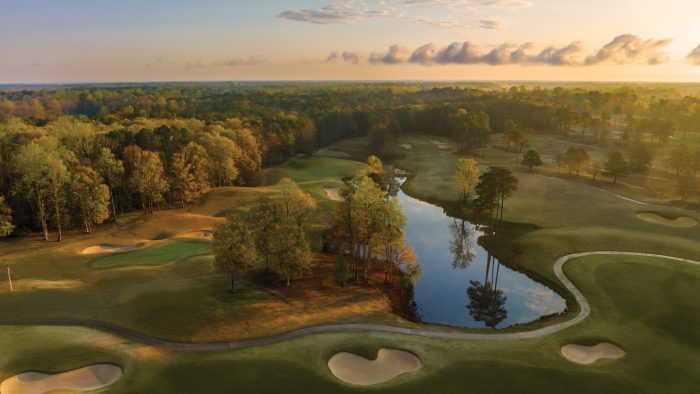
Is Williamsburg the Most Underrated Golf Destination in America?
More than a dozen championship courses, legendary designers, great resorts, and plenty to do after 18 holes make a compelling case.

Kentucky’s Most Experimental Whiskey House Made the Perfect Bottle for Scotch Drinkers
This year’s tastiest American whiskey comes with a Scottish accent.
-
Lifestyle
The Charming Luxury of RLX Ralph Lauren Golf
Proof that pricey taste doesn't have to take itself too seriously.
-
Lifestyle
Is Williamsburg the Most Underrated Golf Destination in America?
More than a dozen championship courses, legendary designers, great resorts, and plenty to do after 18 holes make a compelling case.
-
Lifestyle
Kentucky’s Most Experimental Whiskey House Made the Perfect Bottle for Scotch Drinkers
This year’s tastiest American whiskey comes with a Scottish accent.