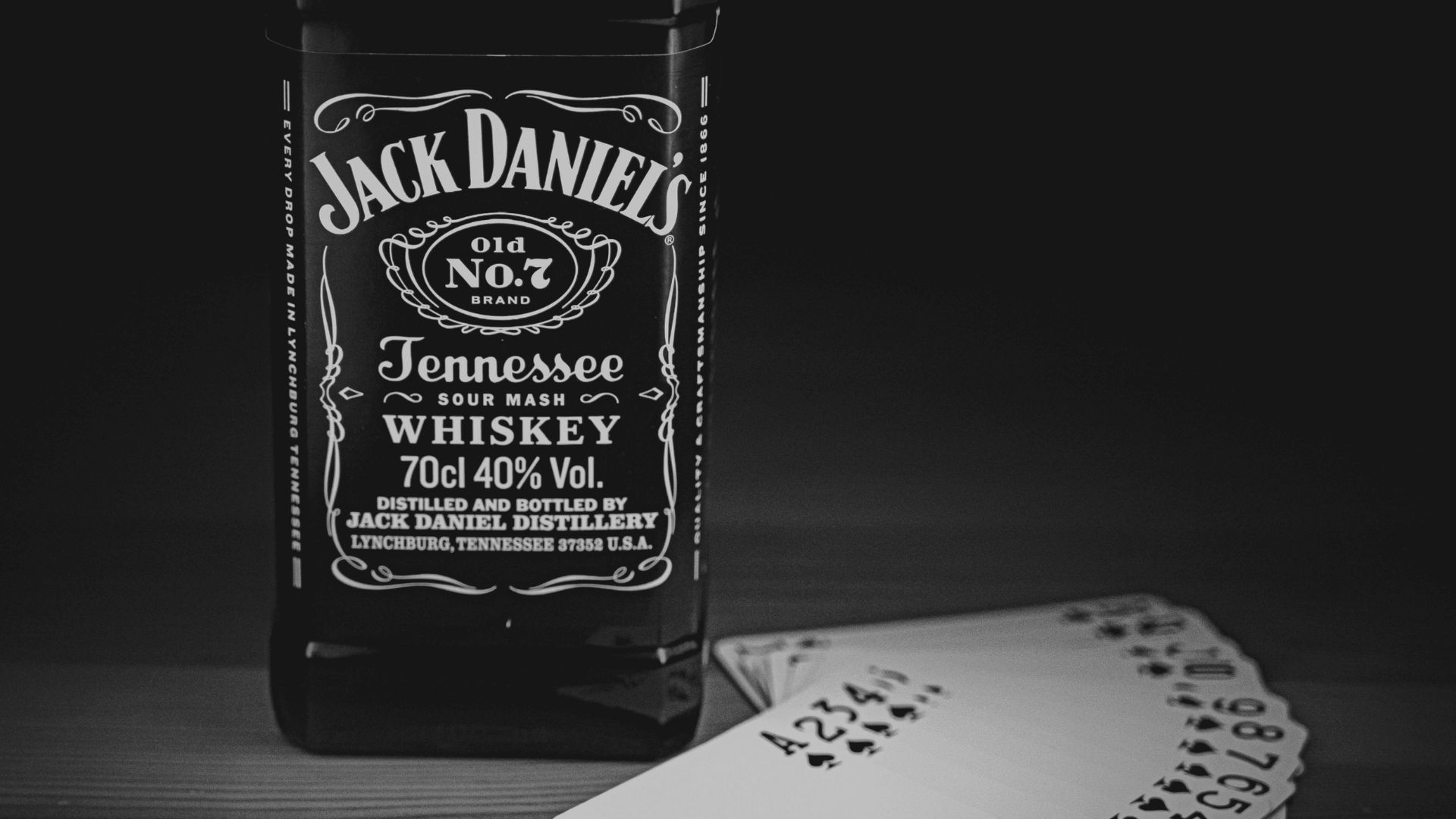
If you’ve ever sipped Jack Daniel’s Tennessee Whiskey and you went by taste alone, you might wonder why it’s not recognized as a bourbon whiskey. Take a sip of Old No. 7 and then a sip of a popular bourbon, and you’d have a difficult time telling the difference. Yet Jack Daniel’s is listed as a Tennessee Whiskey and not a bourbon whiskey. Why exactly is that?
What is a bourbon?
Before we get into the reasons why Jack Daniel’s isn’t a bourbon, it’s important to highlight the rules and regulations governing bourbon. For those unaware, bourbon is referred to as America’s “native” spirit. And although there’s historical evidence that applejack and rye whiskey were distilled before it, there’s no spirit as entrenched in American history as bourbon.
To be considered a bourbon whiskey, the spirit must be made with a mash bill of at least 51% corn (although secondary grains include barley, rye, wheat, and other lesser-known ingredients). It must be matured in new, charred oak barrels, distilled at no more than 160-proof (80% ABV), begin aging at no more than 125-proof (62.5% ABV), be bottled at a minimum of 80-proof (40% ABV), and contain no added coloring or flavors. There’s one more rule, and besides corn content, it might be the most important.
To fit the criteria for a bourbon whiskey, the spirit must be produced in the United States (this includes DC and Puerto Rico). And even though 95% of all bourbon is made in Kentucky, it doesn’t have to be made in the Bluegrass State. There are award-winning, noteworthy bourbon whiskeys made from Tacoma to Tullahoma. This includes Tennessee.
In my years writing about (and drinking) alcohol, I’ve imbibed countless memorable Kentucky-made bourbons, but I’ve also enjoyed myriad from the Volunteer State. It’s just that Jack Daniel’s isn’t one of them.
That doesn’t stop people from debating whether or not Jack Daniel’s is bourbon. There are many who believe it is and will tell you exactly why that is, and others who consider it blasphemous to even suggest such a thing. But does it fit the requirements for a bourbon?
How does Jack Daniel’s compare to bourbon whiskey
You might be surprised to learn that, technically, Jack Daniel’s meets all the federal legal requirements to be considered a bourbon. If that’s the case, why doesn’t it say so on the label, and why does nobody refer to it as a bourbon? Let’s take a deeper dive into this iconic Tennessee whiskey.
There are many reasons it meets the criteria for bourbon whiskey. First of all, Jack Daniel’s is made with a mash bill of at least 51% corn. It’s also distilled to 80% ABV, aged in new, charred oak barrels, and is made without any additional flavors or colors. It’s also made in the US. There’s one key difference between it (and other Tennessee whiskeys) that differentiates it from bourbon whiskey, and it’s called the Lincoln County Process.
What is the Lincoln County Process?
Before we go further, it should be noted that the use of this additional step doesn’t technically break any bourbon rules. But the Lincoln County Process is what makes this whisky style what it is, as it’s a mandatory step for all Tennessee whiskeys (except for Benjamin Prichard’s Tennessee Whiskey and a few others).
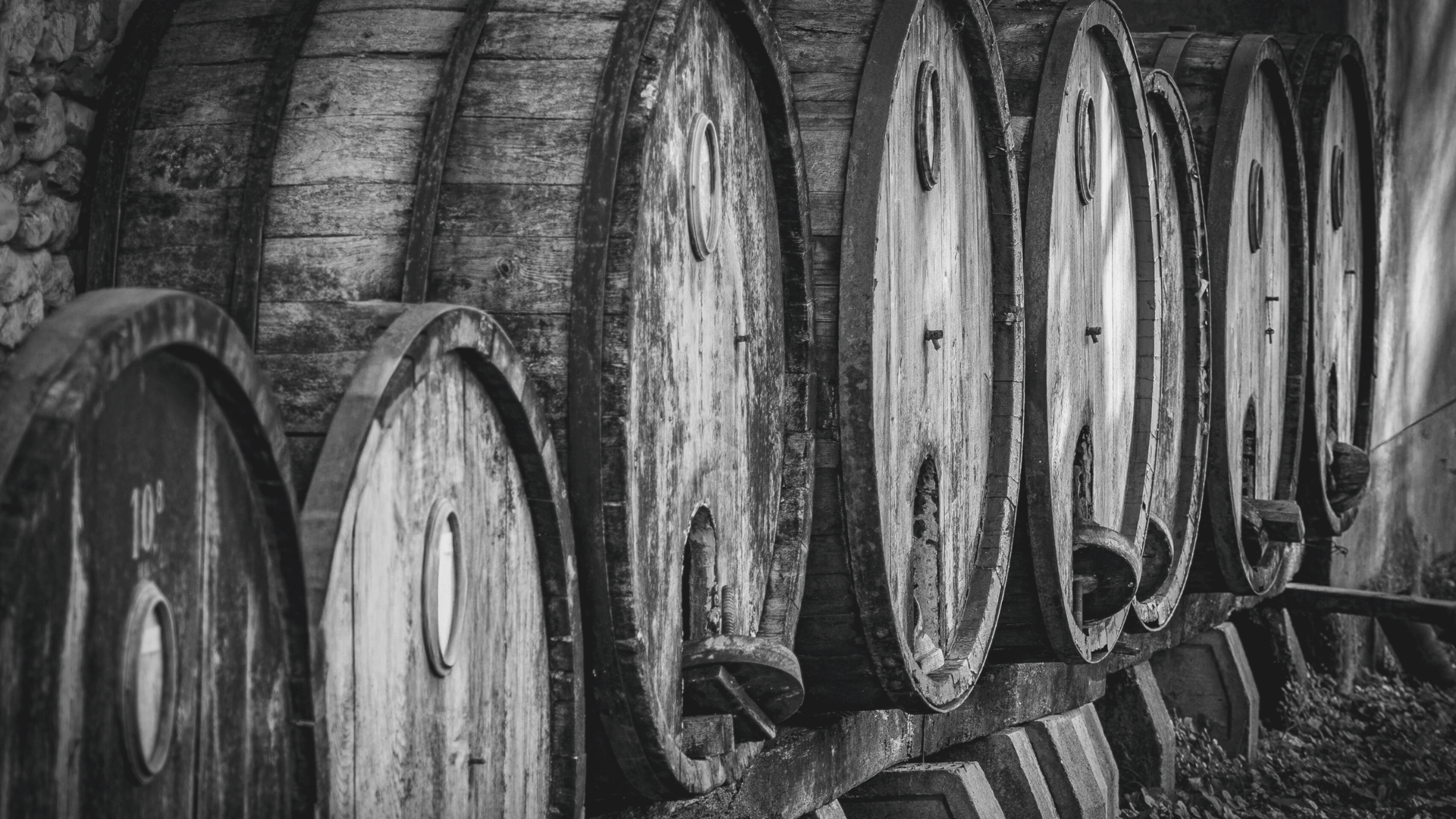
You might be wondering what exactly the Lincoln County Process is. Well, it’s actually quite simple. It’s an extra step in the whiskey-making process that takes place after distillation. The yet-to-be-aged whiskey is slowly filtered through charcoal (usually sugar maple) before it is placed in the cask for maturation. Also referred to as “charcoal mellowing”, it’s believed that this added process removes impurities and adds a softness, velvety mouthfeel, and overall smoothness to the spirit that’s not found in other forms of whiskey.
While that’s the simplified version, the actual technique is slightly more complicated. The un-aged spirit (also known as new-make or white whiskey) slowly drips through around ten feet of charcoal for 4 to 10 days. The charcoal is created by burning sugar maple wood, a process you can actually watch taking place at Jack Daniel’s in Lynchburg, Tennessee, if you go on the distillery tour.
After charcoal filtering, Old No. 7 is matured for 4 to 5 years. The result is the smooth, easy-drinking butterscotch, vanilla, dried fruits, sweet corn, and oak-filled whiskey you know and love. There’s a reason it’s the most popular whiskey in the world.
The real reason Jack Daniel’s isn’t a bourbon
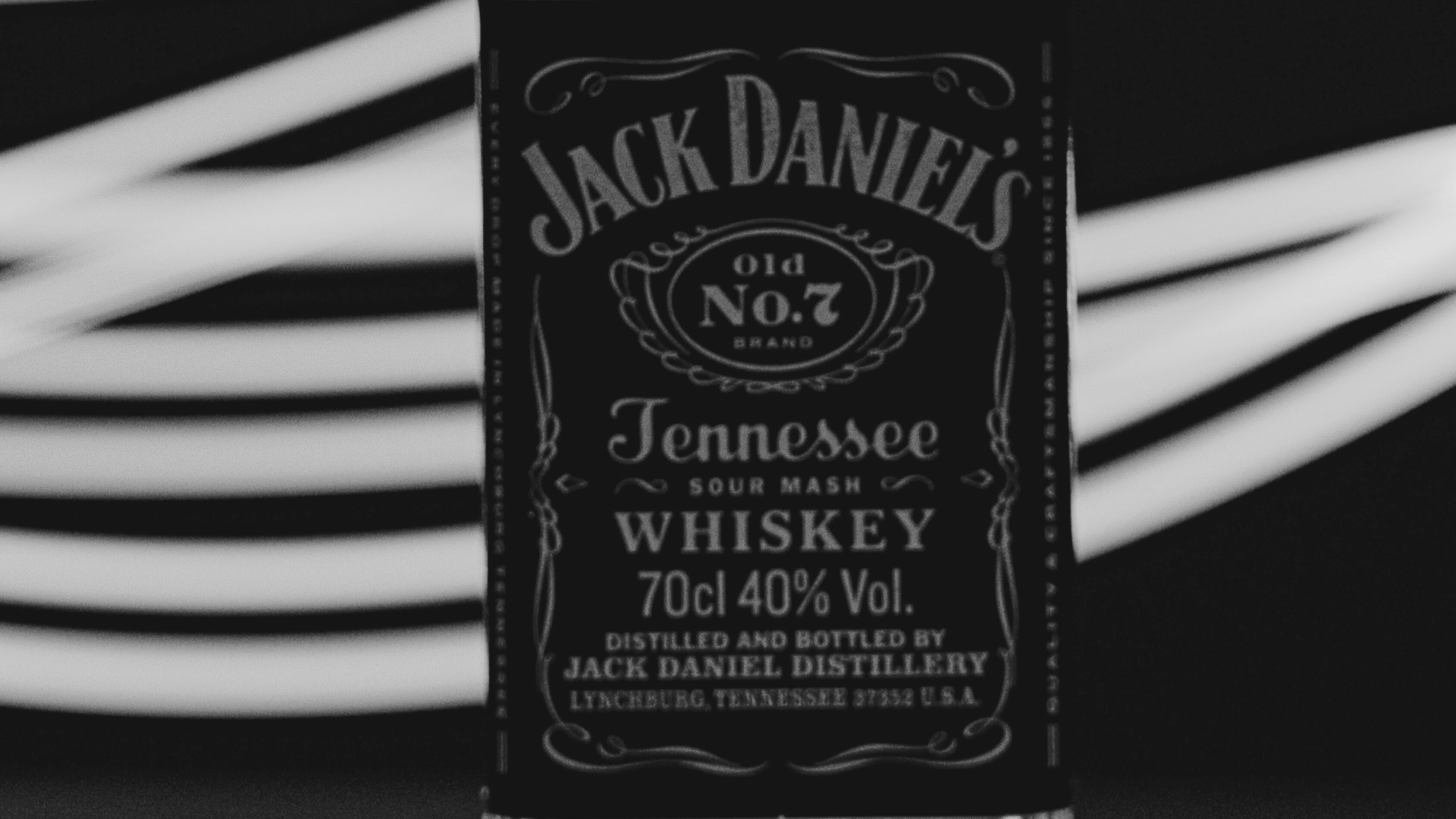
After reading this whole article, you might still wonder why Jack Daniel’s isn’t referred to as a bourbon. The main reason Jack Daniel’s isn’t a bourbon is that it doesn’t want to be one. Tennessee whiskey is a big deal. Can you name another state that makes a specific whiskey style (maybe Maryland-style rye, but it’s not remotely as well-known as Tennessee whiskey)? Why would Jack Daniel’s want to diminish the style by adding “bourbon” to its label? They don’t, and they’ve made that very clear. Don’t believe us? Visit the Jack Daniel’s website and see for yourself.
“It’s Not Scotch. It’s Not Bourbon,” says a post on the site.
“It’s Jack. A lot of people ask us if Jack is a Bourbon or a whiskey. It’s even common for many restaurants and bars to call Jack a Bourbon. But the truth is that we’re a Tennessee Whiskey. It even says so right on our label.”
So, there you have it. While the Lincoln County Process is key for all Tennessee whiskeys, Jack Daniel’s isn’t a bourbon because it simply doesn’t want to be a bourbon. We wish there was some bigger answer, but that seems to be it.