
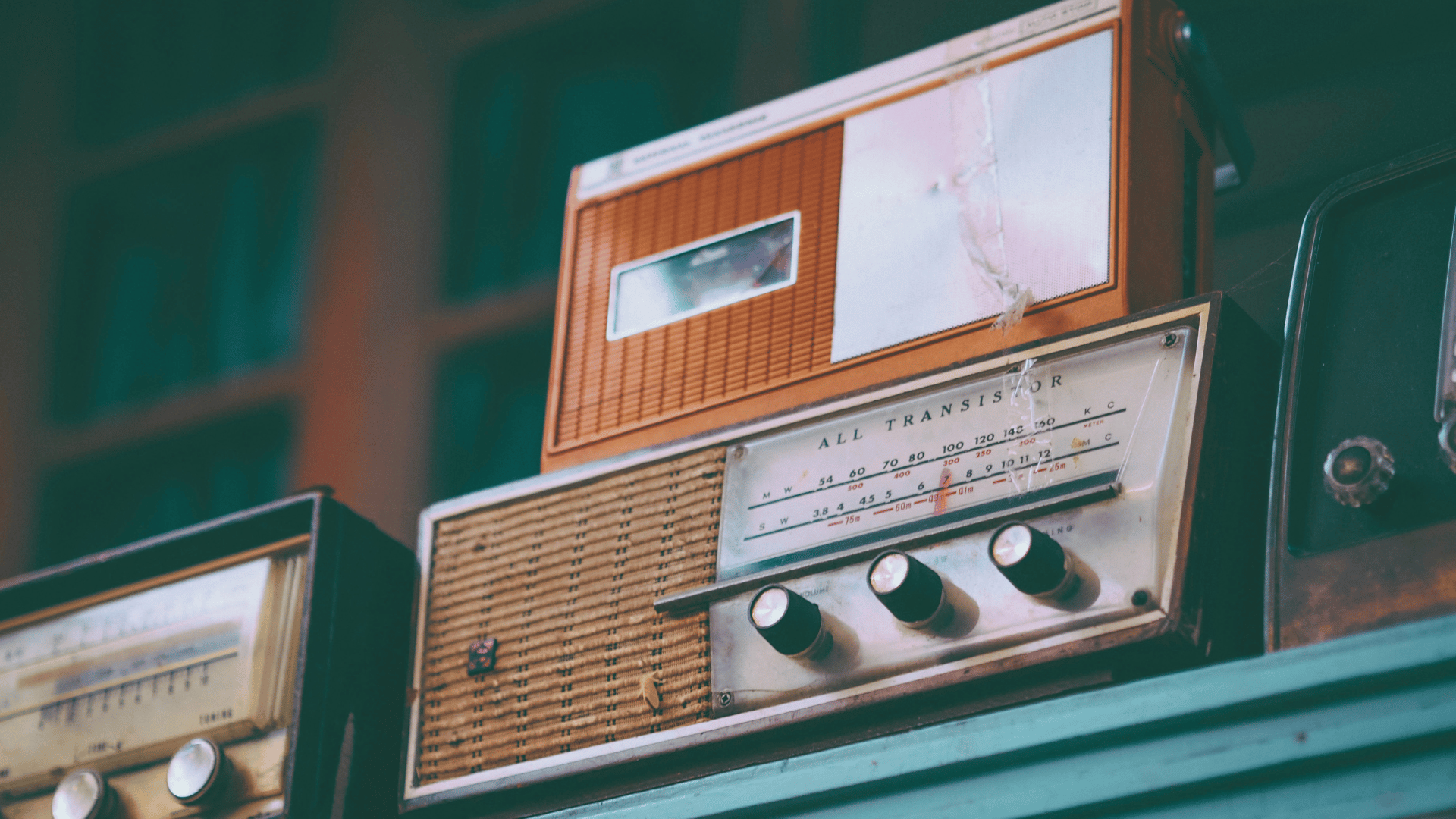
There was a time when discovering music required a little friction.
You heard something on the radio and couldn’t Shazam it. You flipped through records or CDs and went with whatever looked cool. A handful of record labels decided what got pressed. Radio stations decided what got played. MTV decided what got seen.
If you found something new, it was either: A) by complete accident, or B) because someone, somewhere, decided it was worth your attention. Gatekeeping, sure. But also, at its best, curation. Taste. A point of view.
Then streaming happened. Everything is available. All the time. Everywhere. Frictionless.
We’ve entered the era of infinite music. Anyone can make it. Anyone can upload it. Anyone can go viral. Which, in theory, should be a golden age of discovery. More voices. More sounds. More everything. And yet, it often feels harder than ever to discover something. Because discovery requires surprise.
Musical gatekeepers didn’t disappear. They just changed shape. Now it’s algorithms. They study you. Learn you. Feed you more of what you already like. Which sounds great. Until you realize you’re stuck in a feedback loop of your own taste. Same genres. Same moods. Same sonic palette. Zero surprises.
We think music is at its best when it acts as a window. Something that allows you to look through into a different world. Not a mirror reflecting your own.
So we’ve been making a conscious effort to swim against the algorithm. To reintroduce a little friction. A little randomness. To find that feeling of discovery again.
Here’s where we’ve been looking.
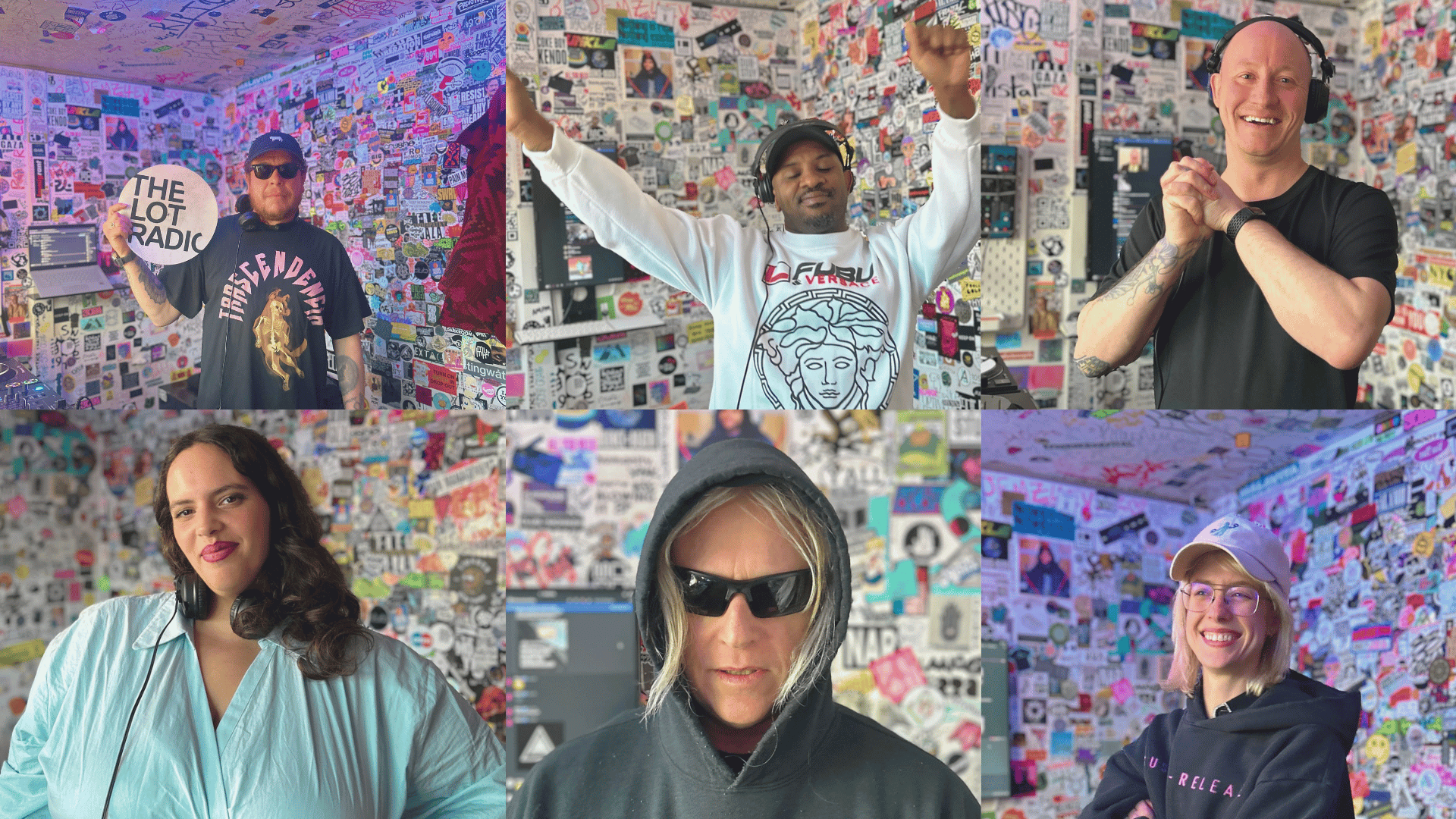
Photos via The Lot Radio
The Lot Radio
Broadcasting from a reclaimed shipping container on a Brooklyn lot, The Lot Radio feels like the anti-Spotify.
Live DJs. No engagement-optimized playlists. Just people playing what they want, when they want. You’ll hear everything. Jazz, house, ambient, experimental. Often in the same set.
The first time we clicked in, it felt like stumbling into a party we didn’t realize we were invited to. And that’s a nice feeling.
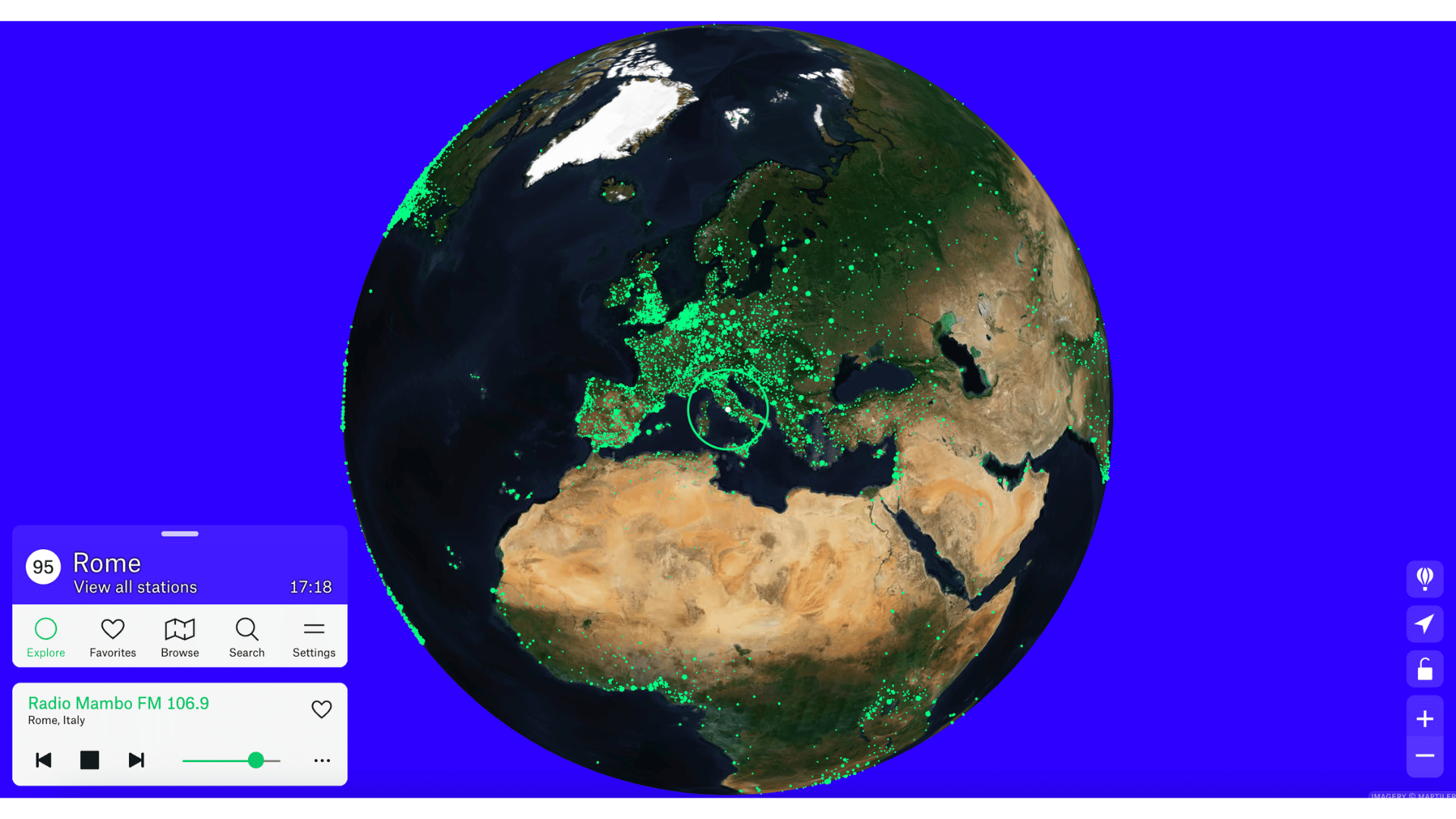
Screenshot via Radio Garden
Radio Garden
Radio Garden is one of those “how did this not exist sooner?” ideas. You spin an interactive globe, click a city, and instantly tap into a live radio station anywhere in the world. It’s chaotic. It’s global. It’s wildly refreshing.
One minute you’re in Tokyo listening to late-night jazz. The next you’re in rural Italy hearing something you can’t quite categorize.
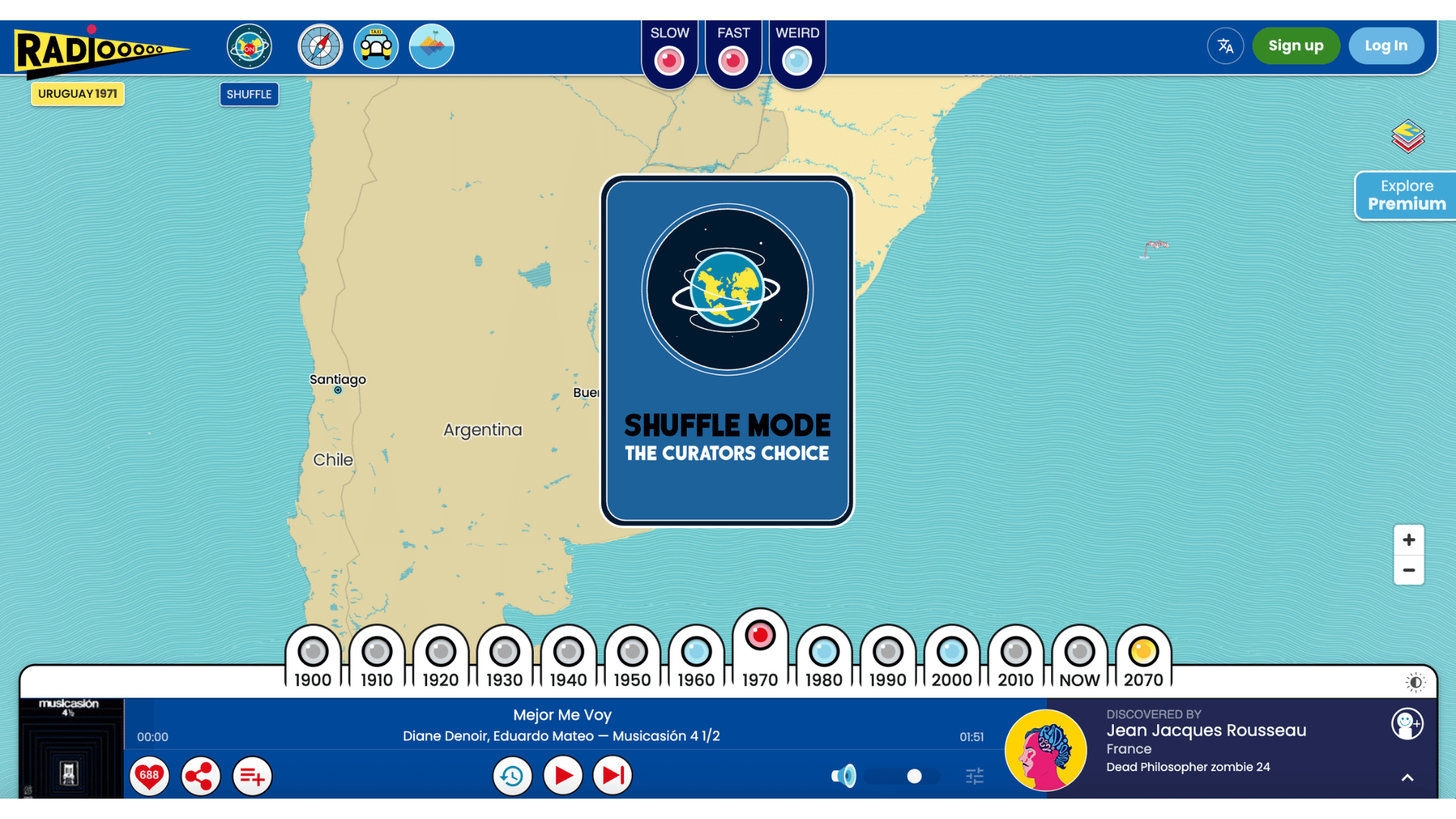
Screenshot via Radiooooo
Radiooooo
Think Radio Garden, but with a time machine. Pick a country. Pick a decade. Pick a vibe.
What did Sweden sound like in the ‘60s? France in the ‘30s? Zambia in the early 2000s?
You can even filter by “slow,” “fast,” and “weird.” And if we may… Go with “weird.”
Listen to the Radiooooo.
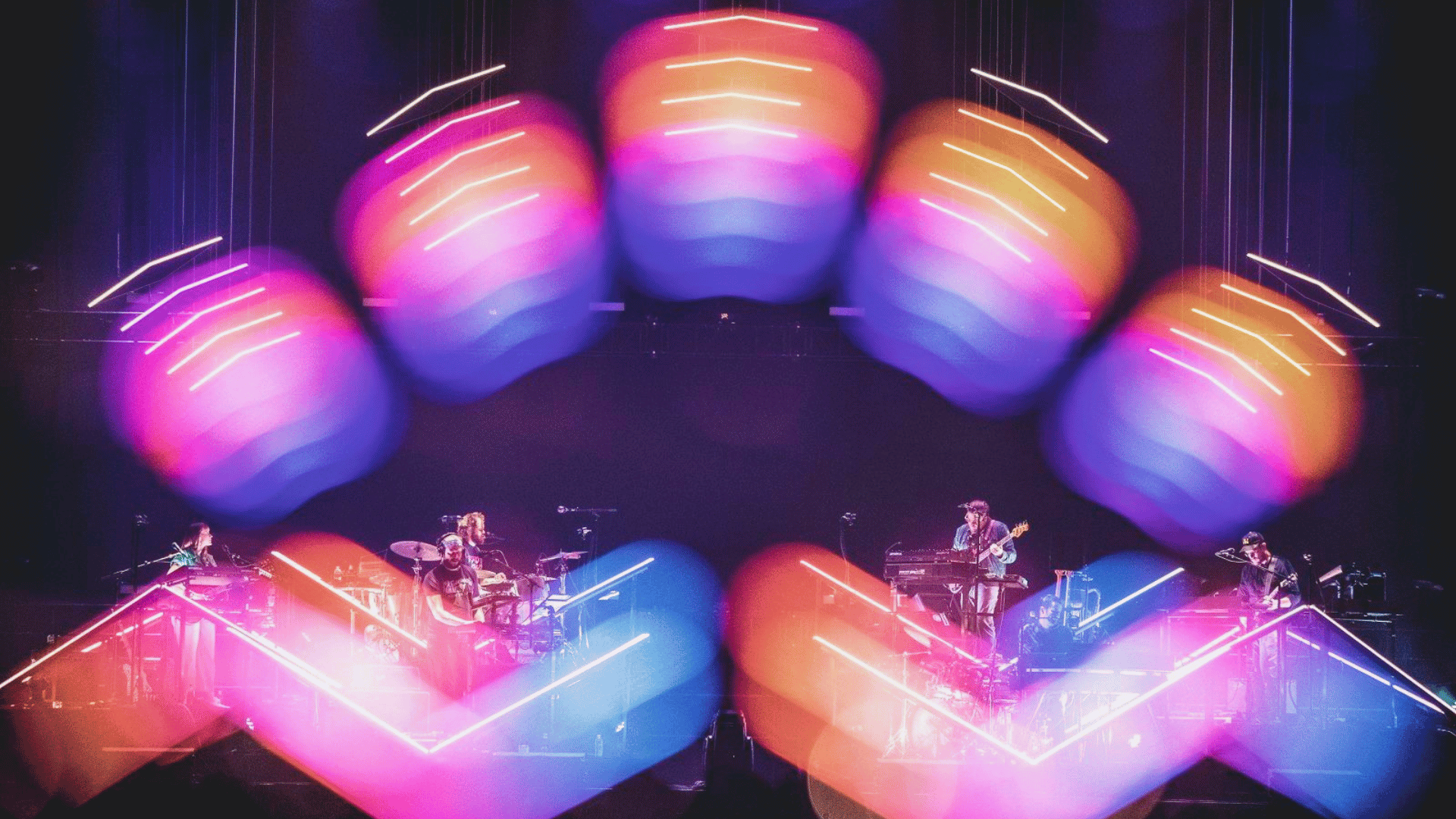
Photo via NTS Radio
NTS Radio
NTS walks the line between curation and discovery perfectly. It’s structured, but never sterile. Artists, DJs, and cultural figures host shows that feel deeply personal. You’ll get genre deep dives, unexpected mixes, and entire sonic worlds you didn’t know existed.
It’s not an algorithm guessing your taste. You’re getting real points of view, from real humans, with real taste. Ah. Feels so good.
If you’re anything like us, and every other guy our age, start with Bon Iver’s show.
Brian Eno’s Bloom App
Okay, admittedly, this one’s less about discovering music and more about creating it. Kind of. Brian Eno’s Bloom app lets you build ambient soundscapes with a few taps. Notes echo, layer, and evolve into something peaceful and hypnotic.
We’ve been piping it through the house speakers while working. Or at night to wind down. Or anytime we want atmosphere without distraction.
It’s less “listening to music” and more “living inside it.”
More Window, Less Mirror
Look, we’re not totally anti-streaming, as our clickbait headline suggests (sorry). It is convenient. And it has introduced us to plenty of great music. But rely on it too heavily, and you start to feel the edges closing in. At least we did. The same sounds. The same artists. The same “for you” recommendations that feel increasingly familiar.
Discovery, real discovery, requires a little friction. A little randomness. And a willingness to not immediately like something. That’s what these platforms have offered us. Not perfect personalization. But the imperfection of possibility. And in a world where everything is trying to predict your taste, there’s something refreshing about not having your taste accounted for at all.
It’s about looking into a window instead of mirror.