

No other delicacy is as synonymous with lavish indulgence as caviar. The cold soul of the sea imprisoned in tiny pearls; briny treasure scooped from gilt tins with mother-of-pearl spoons; a delight that conjures yacht-borne enchantresses with eyes like glacial ice and cheekbones as sharp as the spires of a Russian cathedral. Yeah. Caviar’s all that. But it’s also just fish eggs.
As with luxury watches or rare whiskey, the world of caviar can seem too fussy to be worth it. Still. A gentleman of taste ought to possess at least a passing familiarity. And since one generally splurges on caviar when the mood is celebratory, knowing how to pair it with a strong drink is equally important.
Below are the most sublime caviar-and-booze pairings. But first, a few spoonfuls of knowledge to demystify the delicacy.
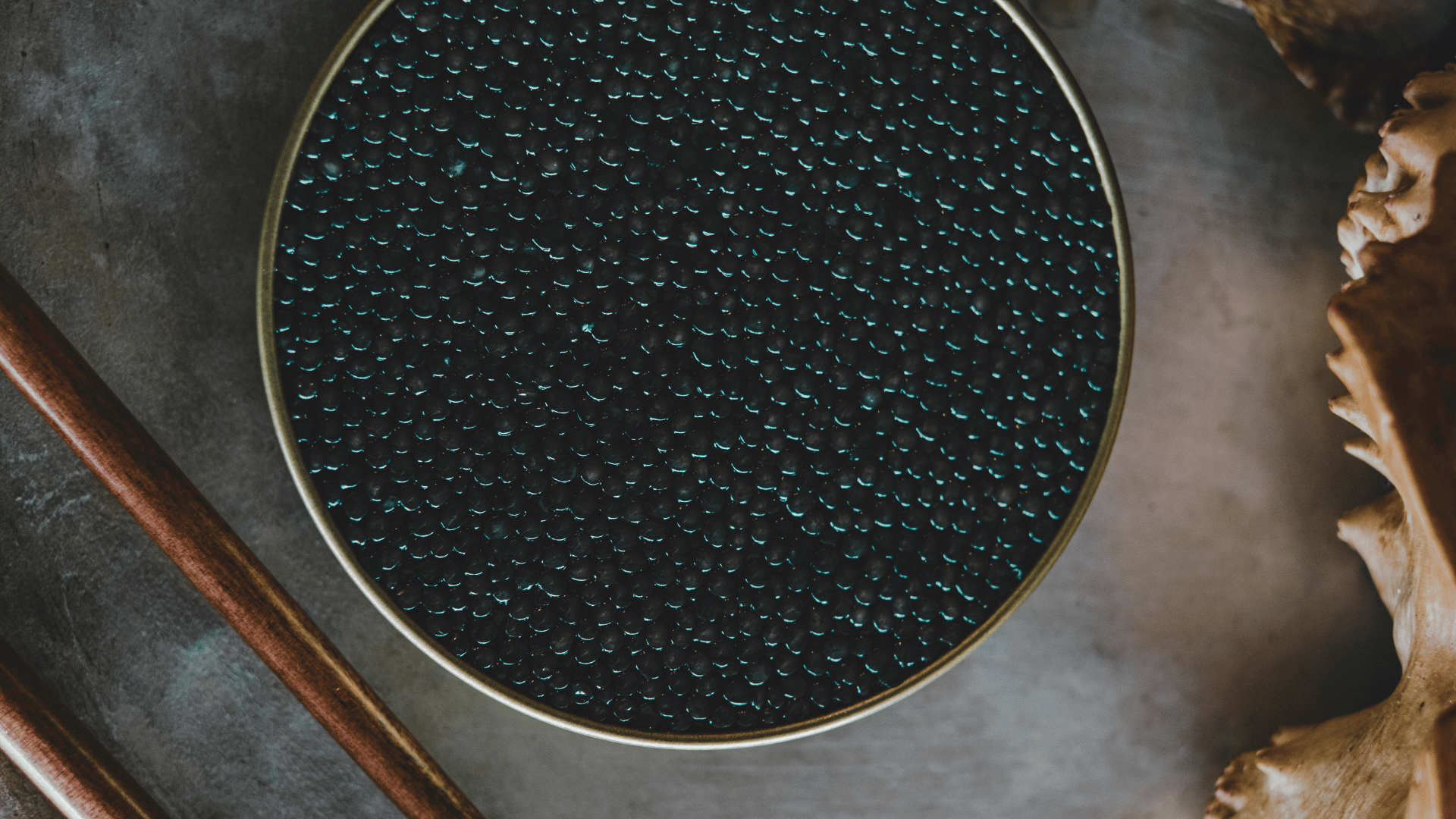
Caviar Crib Notes
While in common parlance “caviar” often refers to any fish roe, true caviar must come from sturgeon. A Jurassic, armor-plated leviathan native to the Caspian and Black Seas. Salmon, trout, and even seaweed-based vegan roes are scrumptious, but it’s not the real McCoy.
The names you see embossed on tins—Osetra, Sevruga, Beluga, Siberian, or Hackleback—are not brands but subspecies of sturgeon, each yielding roe with its own signature of flavor, texture, and hue. Connoisseurs generally consider the ne plus ultra to be Beluga—onyx-black pearls as deliciously briny as seawater droplets on the bosom of Botticelli’s Venus.
Historically, most caviar came from wild-caught sturgeon in the Caspian Sea, but centuries of overfishing pushed the fish to the brink of extinction. Today, almost all caviar is sourced from aquafarms, with China, Japan, France, and Italy as leading producers. Wild-caught caviar from the Caspian is contraband in the United States, and you’ll likely only encounter it if you’re suspiciously chummy with Russian oligarchs or high-ranking Iranian officials.
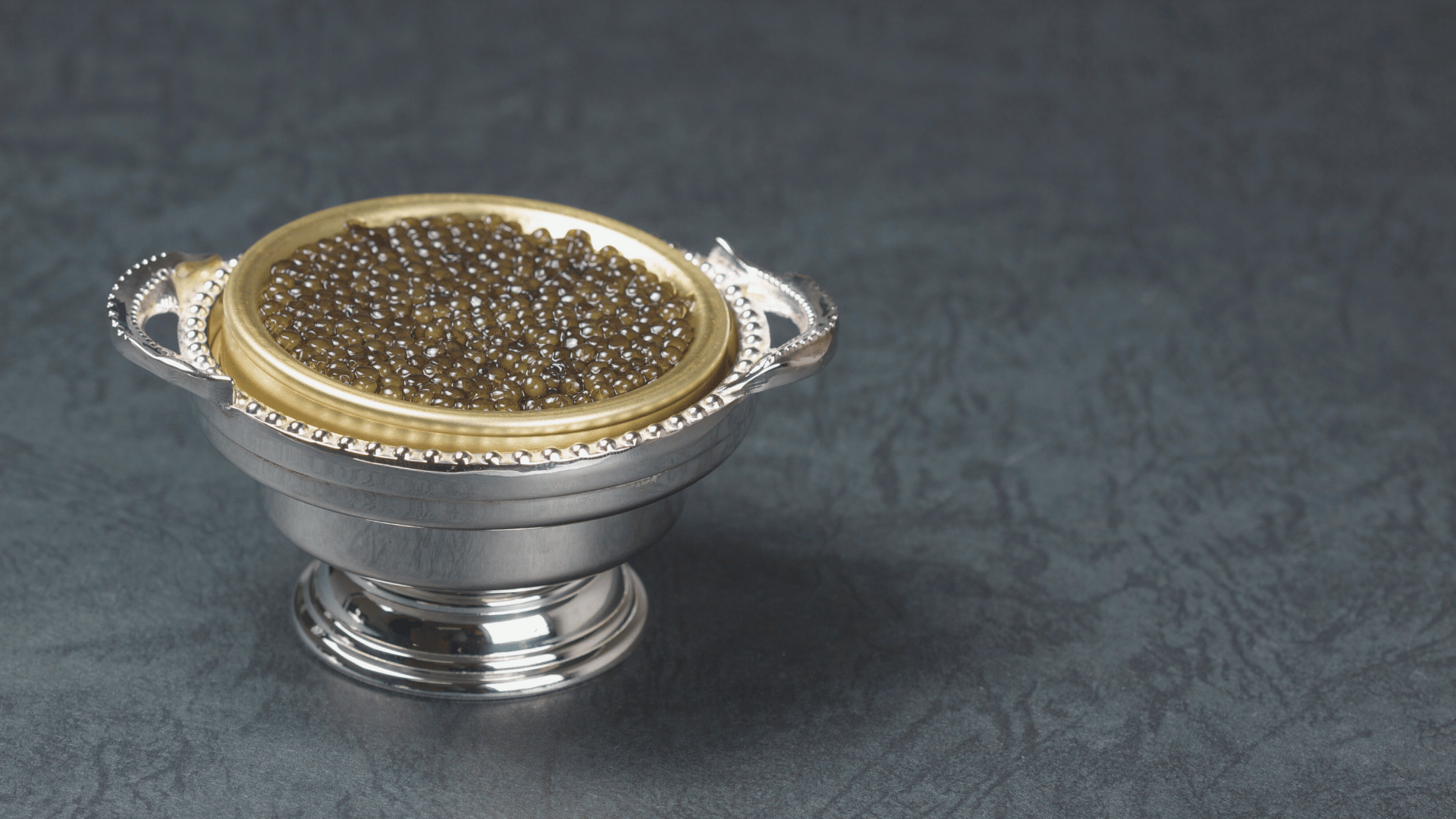
Dos and Taboos
Opening the tin: Use a caviar key to break the vacuum seal. If you don’t have one, a butter knife will do. Slip the blade under the lid and gently twist until you hear a soft pop.
Utensils: Never use a metal spoon. Metal chemically reacts with the pearls, imparting an acrid tang. Tradition favors mother-of-pearl spoons. They’re neutral in taste and as pleasing to the eye as caviar is to the palate. Bone, horn, or glass also work well.
Temperature: Serve caviar cold but never frozen. Rest the tin on a bed of crushed ice as soon as it’s opened.
Service: Buckwheat blinis or thin slivers of toast are the classic vehicles. Firehook Crackers—thin crisps with a firm snap—are another scrumptious option. Common accompaniments include chopped onion, minced hard-boiled egg, and crème fraîche. Purists, however, insist that caviar should be savored unadorned. Your results may vary.
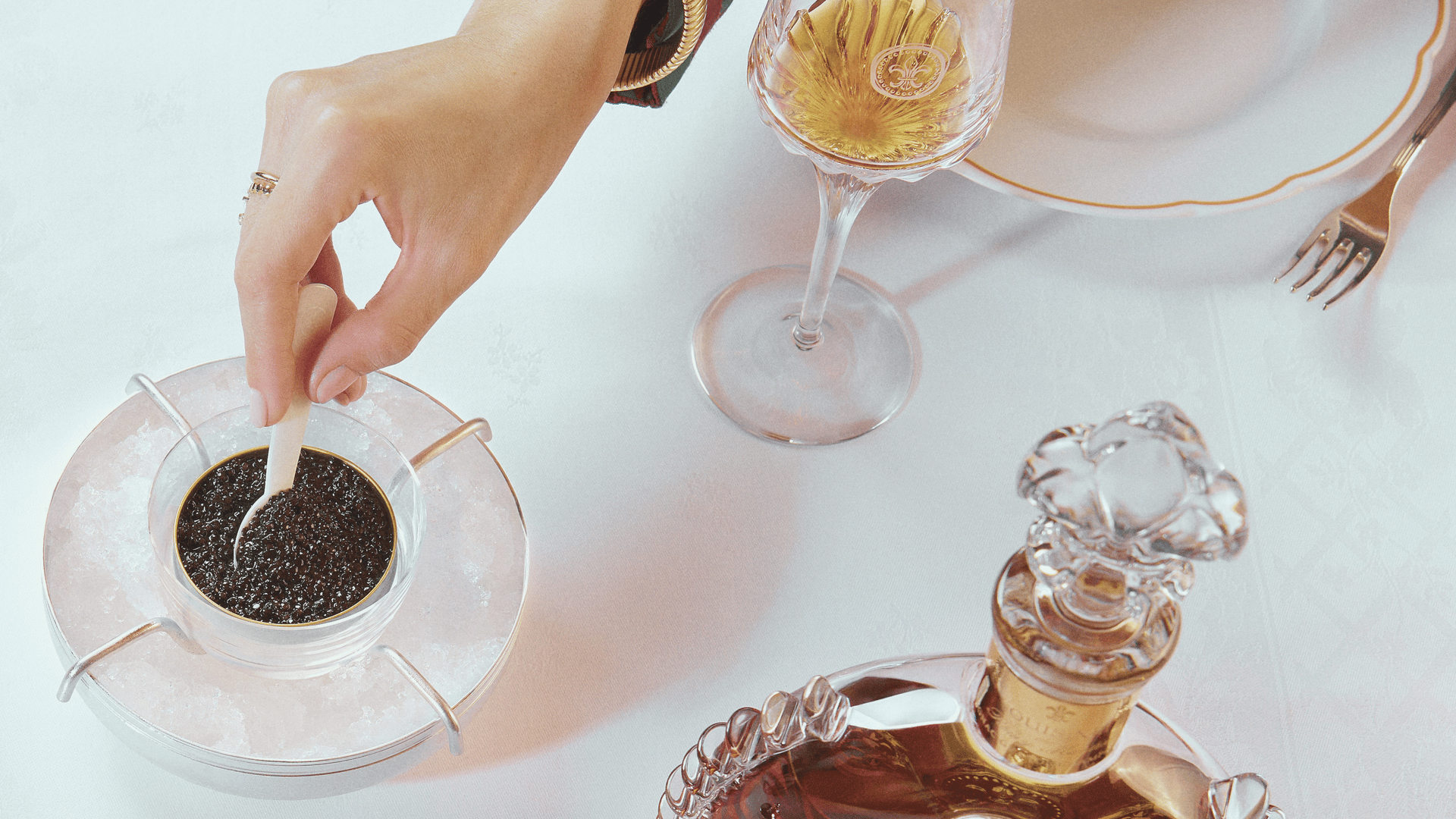
Photo via Louis XIII Cognac
Booze Pairings
Vodka and Champagne are the most iconic alcohol pairings, but the possibilities extend far beyond. The right Cognac, sake, white wine, or even Scotch makes pearls’ flavors dance across the palate.
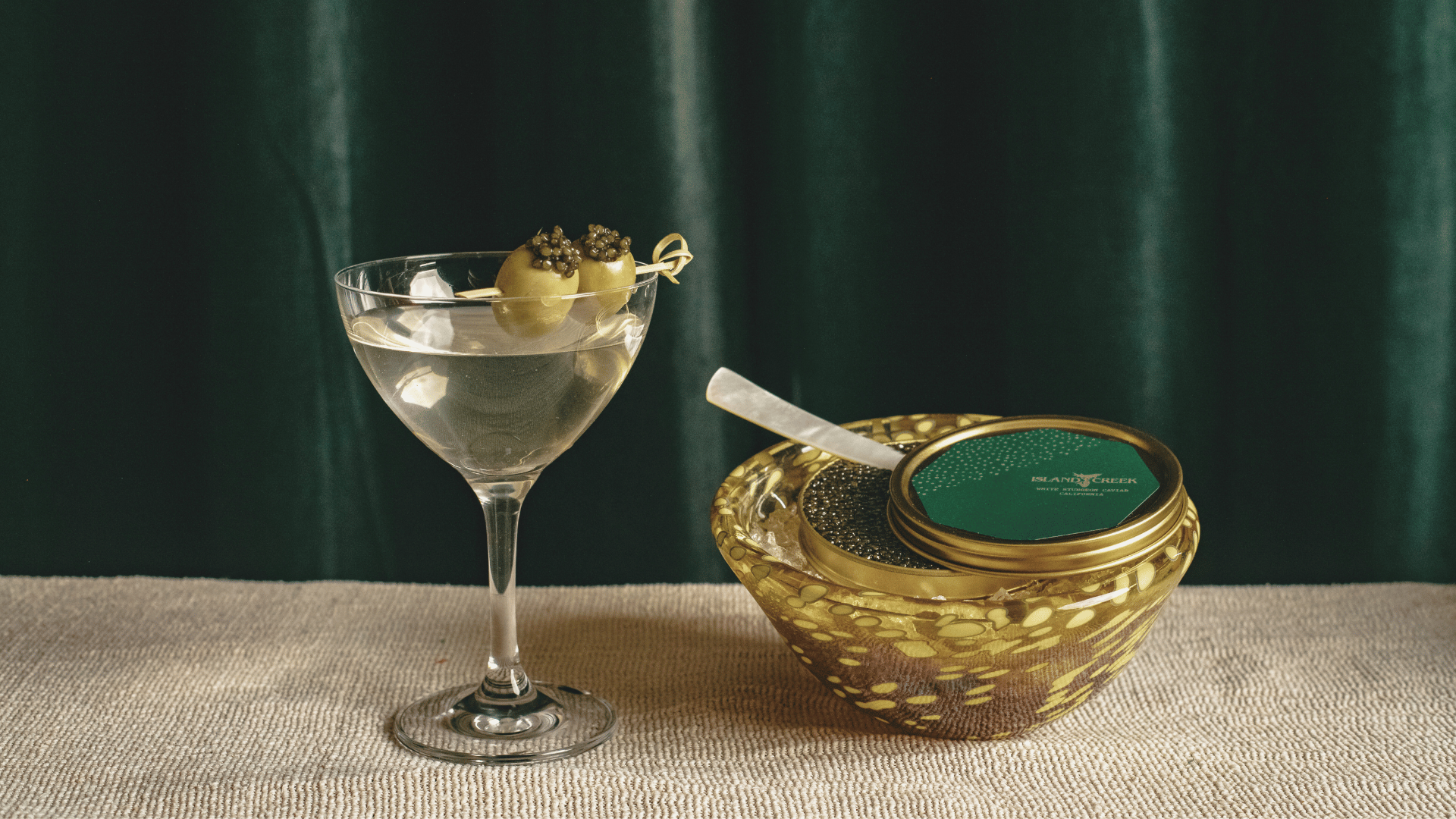
Photo via Island Creek Oysters
Vodka
Caviar and vodka go together like Russian writers and madness. The Russian Tea Room, a shrine to caviar in Manhattan, honors this time-honored pairing in its signature Cavatini. An ice-cold martini presented with a caviar bump.
Chilled vodka allows the pearls’ delicate taste to shine unencumbered and cleanses the palate between bites. I’m partial to Broken Shed, vodka crafted from the crystalline mountain waters of New Zealand. Pull the bottle straight from the freezer, and pair it with Island Creek Oysters’ Osetra—black pearls with gentle salinity and a firm pop.
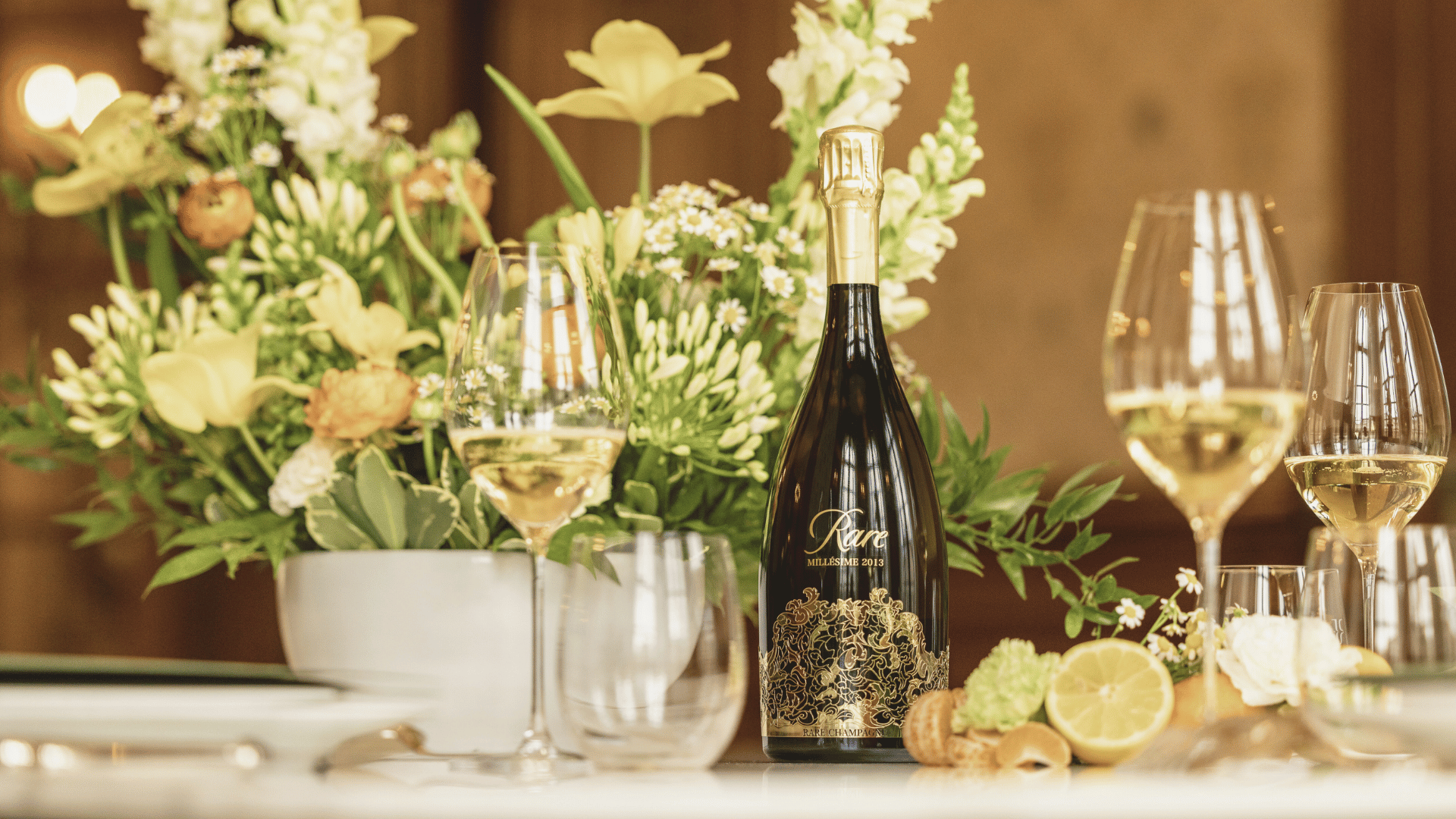
Photo via Rare Champagne
Champagne
Champagne and caviar. The ultimate luxury pairing. There’s science at work, too. Champagne’s acidity slices through brine, while the bubbles tease out the pearls’ pop and silken texture.
When I’m feeling flush, I splurge on Rare Champagne. Founded in 1785, the storied Champagne house was the darling of Marie Antoinette, one of French history’s most distinguished sybarites. Pair such an exquisite Champagne with a comparably vaunted caviar, like Imperia Osetra Caviar from Tsar Nicoulai.
If you’re not feeling quite as liberal with your purse strings, go with a fine Prosecco like Lamberti or Sensi 18K—bright, fruit-forward sparklers.
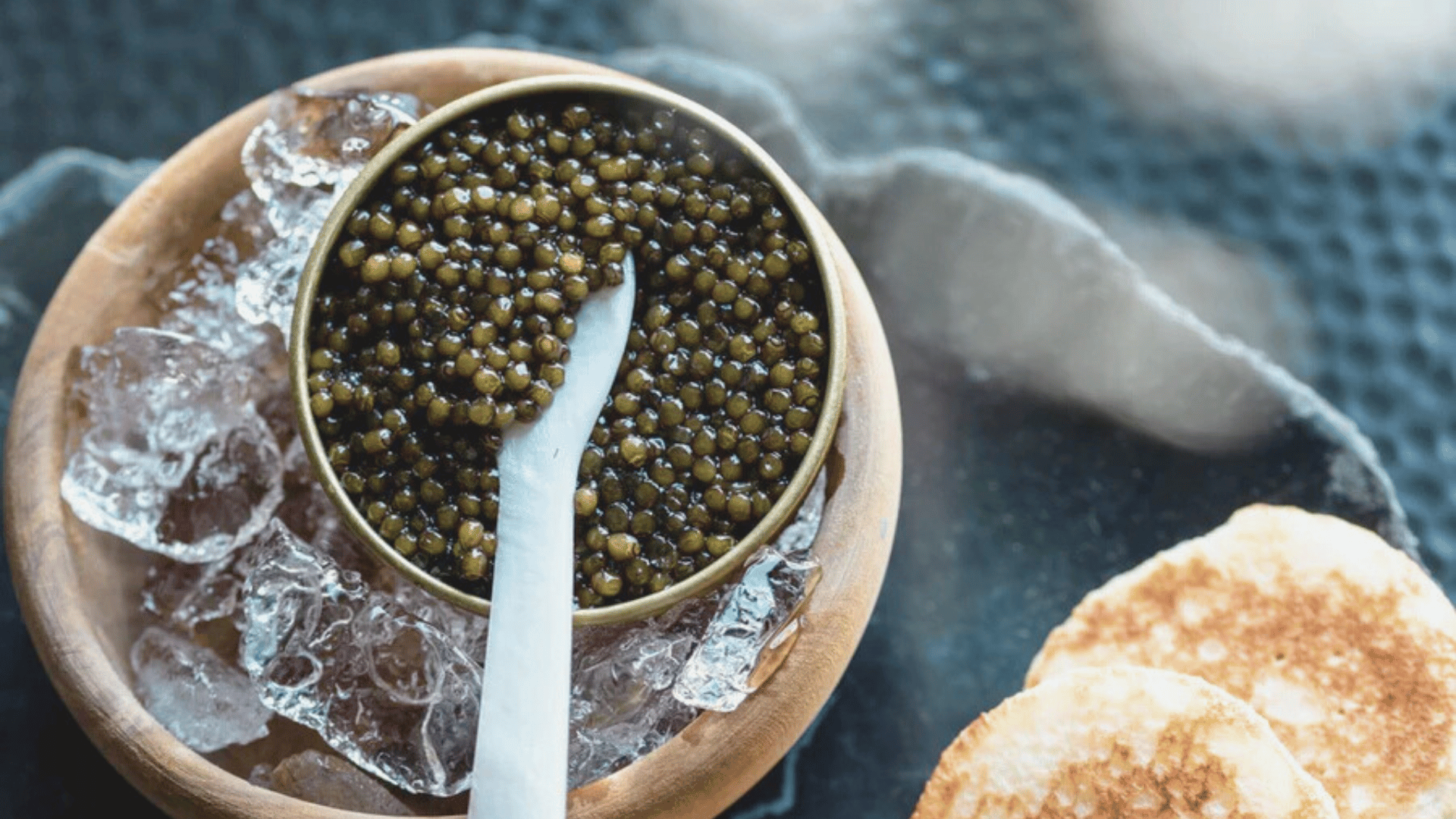
Photo via Imperia Caviar
Scotch
When the sea-spray notes of Scotch mingle with the salinity of caviar, the palate plunges into an umami whirlpool. Choose a pour from Islay or Campbeltown, regions famed for whiskies brimming with maritime notes.
Ardbeg Uigeadail is the gold standard. It’s peated poetry kissed by Islay’s sea winds. Pour it into a Glencairn glass, let the flavors unfurl, and enjoy it with an extra-robust caviar like Kaluga from Imperia Caviar.

Photo via HeavenSake
Sake
Few cultures prize fish eggs as ardently as the Japanese, and sake is a de rigueur accompaniment for bites of salmon, flying fish, or tobiko roe. Japan’s national libation also marries wonderfully with the pearls of the sturgeon.
When pairing sake and caviar, choose a daiginjo sake. The classification refers to sake brewed from highly polished rice kernels, yielding bone-dry, crystalline ambrosia. Daiginjo sakes from HeavenSake epitomize the coveted karakuchi flavor profile—dry on the palate with hints of the ocean on the nose. Pair it with Island Creek Oysters’ Osetra or Haute Caviar’s Siberian Baerri.
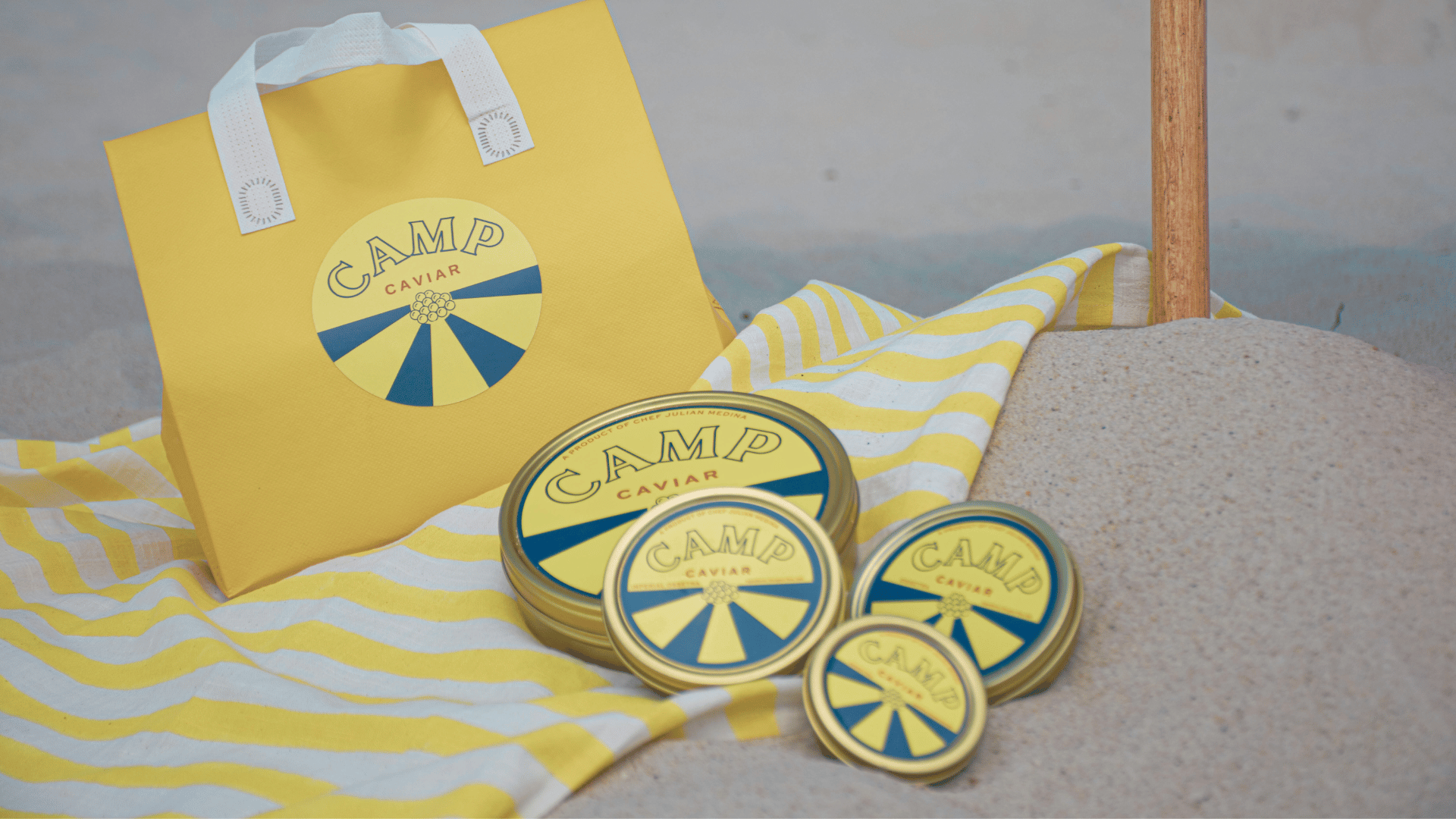
Photo via Camp Caviar
White Wine
White wine’s acidity and citrusy zip make it a traditional pairing with raw seafood. Dry whites with notes of minerality and lemon marry particularly well with caviar.
I am fond of pairing caviar with Torrontés, Argentina’s flagship white grape. The highest expression of the South American white grape is Colomé Estate Torrontés. Pair it with Camp Caviar’s Osetra—silvery beads with a slight nuttiness that complements the citrus flavors.
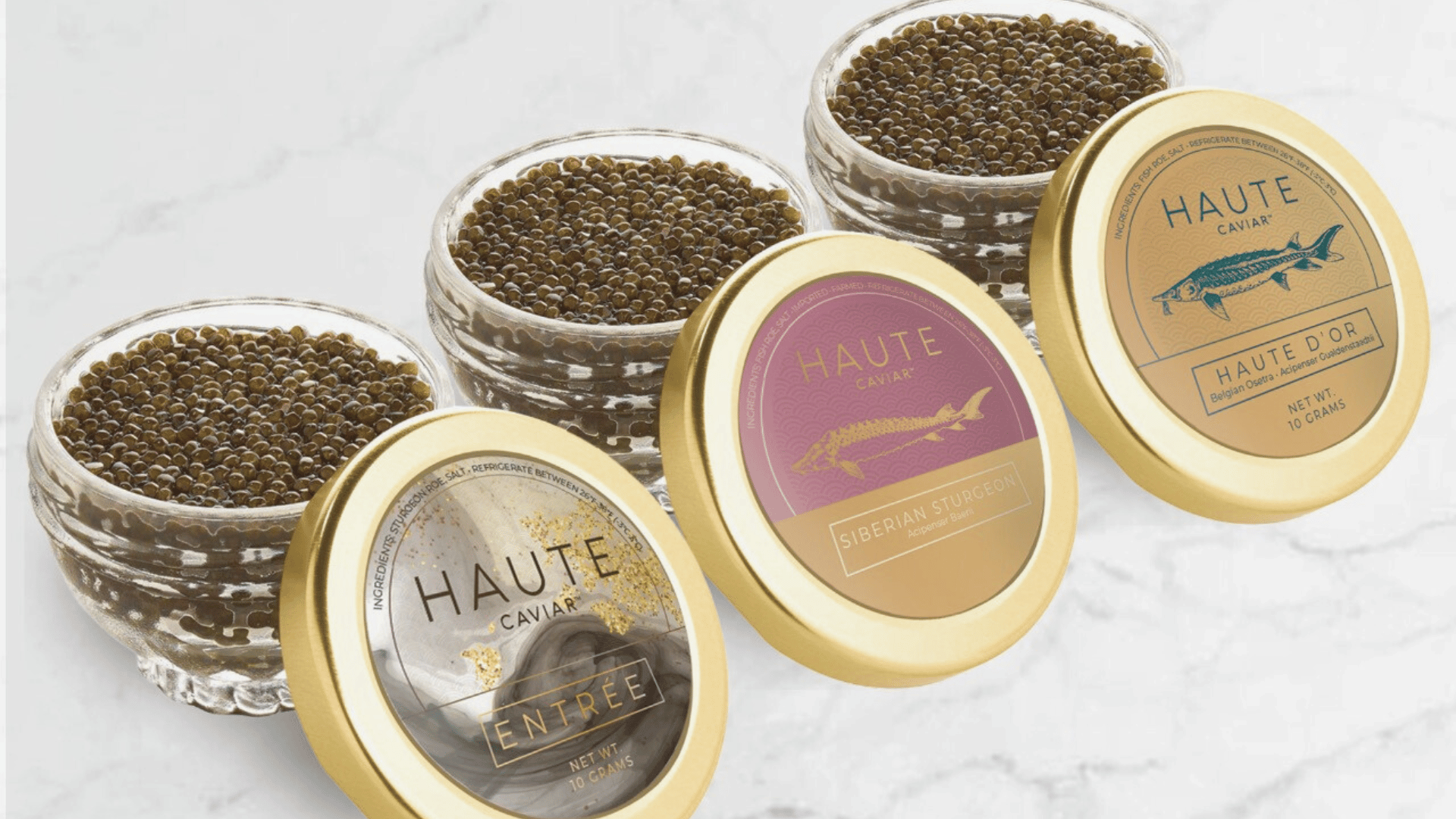
Photo via Haute Caviar
Cognac
The king of spirits and the spirit of kings, Cognac boasts aristocratic cachet to match caviar’s. Prolonged periods of barrel-aging lend Cognac bolder flavors than other libations on this list, except, of course, for Scotch.
The reigning monarch of the kingdom of Cognac is Louis XIII. It’s liquid amber scintillating with notes of jasmine, honeysuckle, and dried figs. Savor it with robust pearls like Siberian caviar from Haute Caviar or Island Creek Oysters.