
We Tried the World’s First Outdoor Exoskeleton, and It Might Be Our Favorite Use of AI Yet
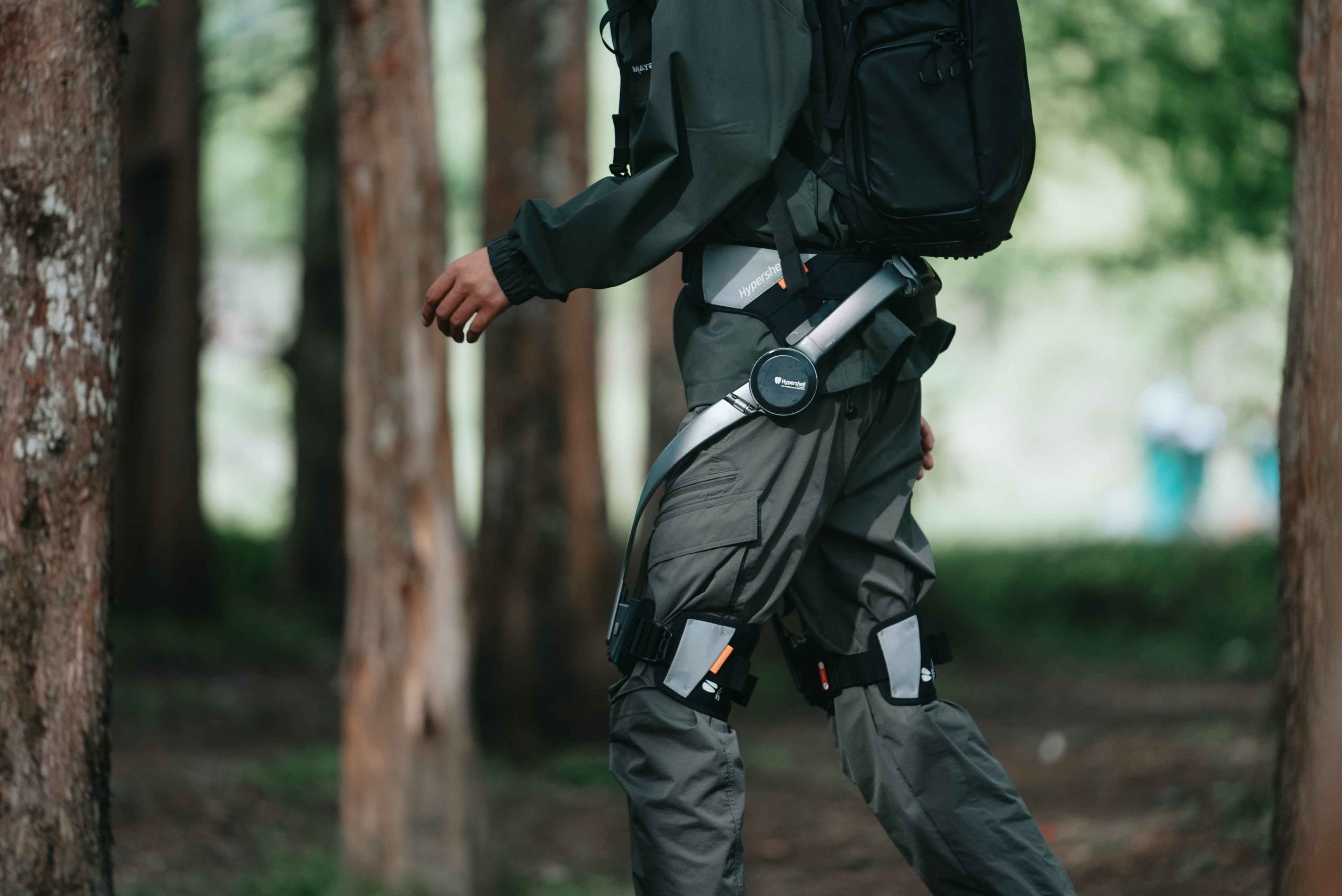
We didn’t set out to test the boundaries of human potential. We just wanted to make it up the ridge before sunset. But somewhere between switchbacks, with full packs and fading legs, the Hypershell X Pro changed the way we thought about movement.
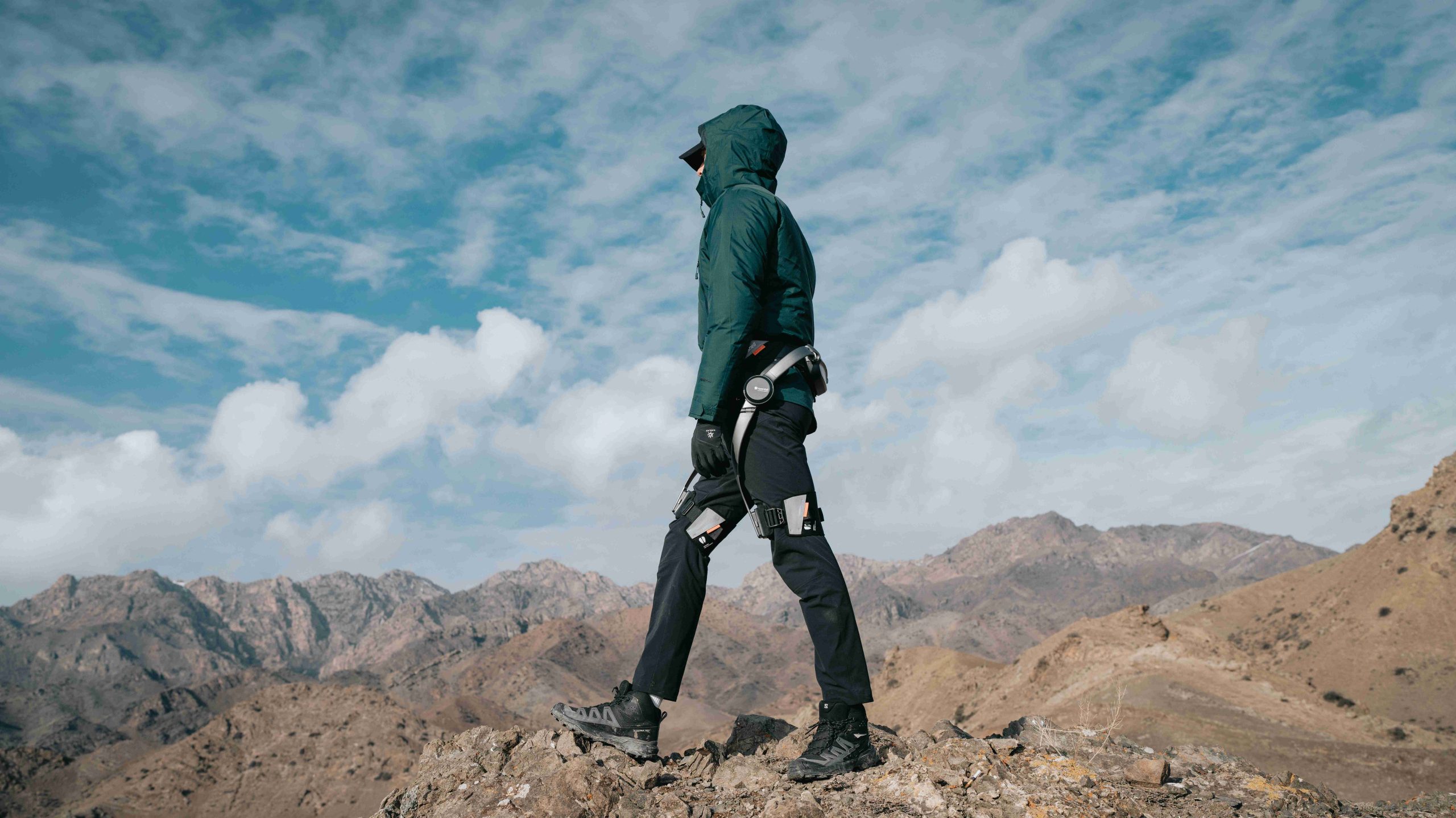
This is the world’s first outdoor exoskeleton, a wearable lower-body device that uses real-time AI to reduce fatigue, boost leg strength, and make heavy packs feel lighter. It all sounds so futuristic, we know. And it is, in a way, but the experience? Perfectly seamless. No sci-fi glitches here.
We took the X Pro model into the wild: a weekend loop we’ve done before, complete with elevation, uneven terrain, and the kind of descents that usually make your knees feel like antique furniture the next day. The moment we powered it on, we felt it. Like gravity had been dialed down. Uphills became steady strides. Downhills became controlled. Our packs? Still full. But they didn’t feel that way.
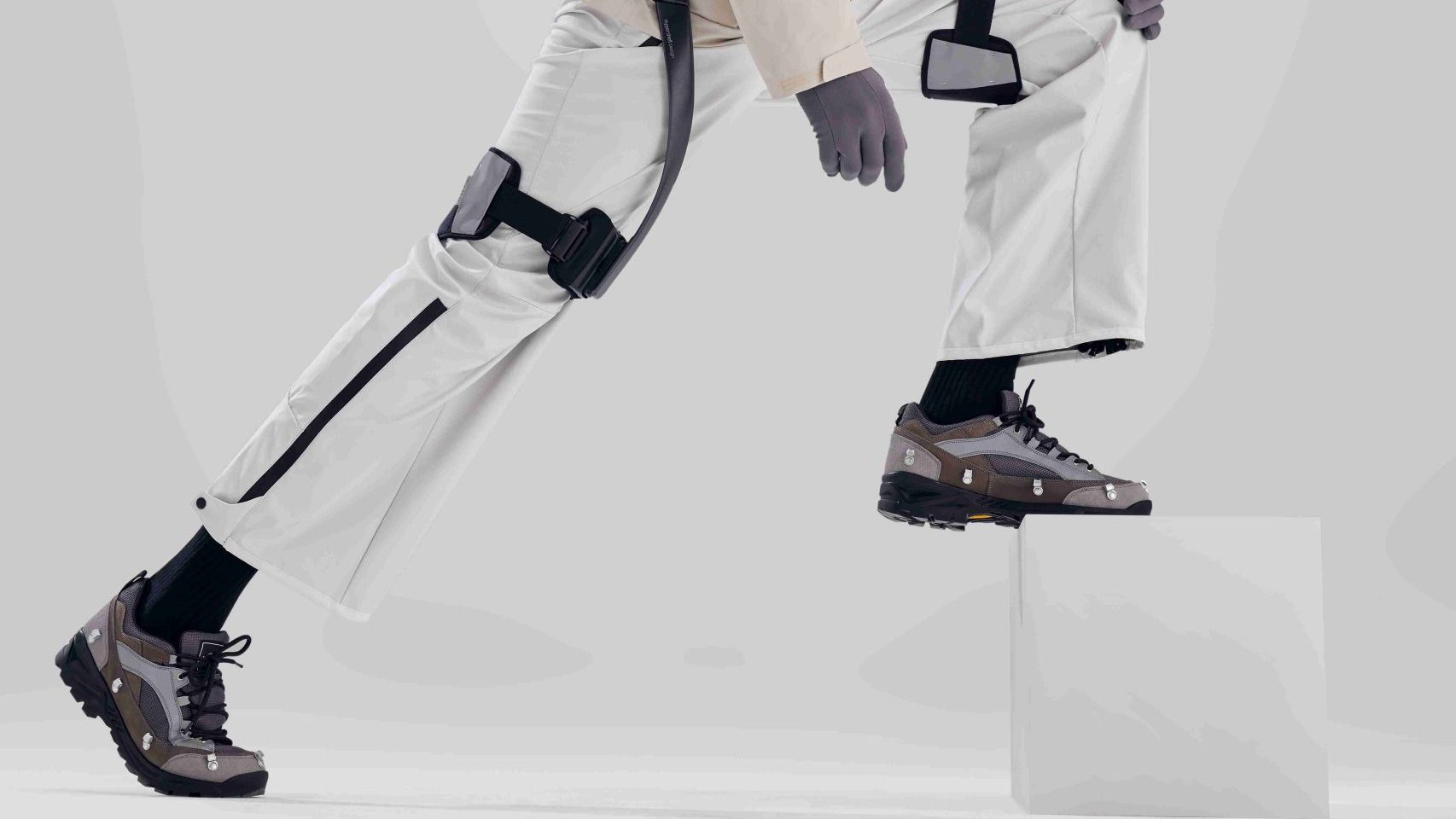
The device itself weighs less than 5 pounds and folds up neatly. Setup took a few minutes. Slip it on, press the button, start walking. The AI MotionEngine does the rest, adapting with each step to your terrain and stride. It’s intuitive. It adjusts in real time with your movement. And there’s even 10 different movement modes, from stairs and trails to running and cycling. And with a 10+ mile range per charge, we never worried about power.
The battery recharges to 50% in 35 minutes, full in under 90. Even better, backup batteries are small and light, so packing extras felt like throwing in a granola bar.
By the second day, the real shift had nothing to do with tech. We were noticing more. Talking more. Taking side trails we’d usually skip. Less energy spent on getting there meant more presence once we arrived. And when we turned the Hypershell off to test the difference? That’s when we realized how much it had been doing. Our legs noticed. Immediately.
This isn’t about replacing effort. It’s about redefining it. Making movement more accessible. More enjoyable. More human, ironically, by adding a little machine.
So yes. We came for the hike. But we left with something more. A new relationship to motion, to gear, and to what it means to go farther without pushing past the point of fun. We’ll still pack our boots. Our layers. Our snacks. But from now on? We’re bringing the exoskeleton, too.
The views and opinions expressed in this partner article are those of the author(s) and do not necessarily reflect the official policy or position of Cool Material. The information provided in this article is for general informational purposes only and should not be considered as professional advice.
More Sports
VESSEL Solved One of the Most Annoying Things About Your Golf Bag
The new Player VI Series gives every club its own space and rethinks the golf bag from top to bottom.

These $228 Vintage NFL Hoodies Aren’t for Fair-Weather Fans
Greyson's limited-edition collection brings old-school style and premium craftsmanship to 17 NFL teams.
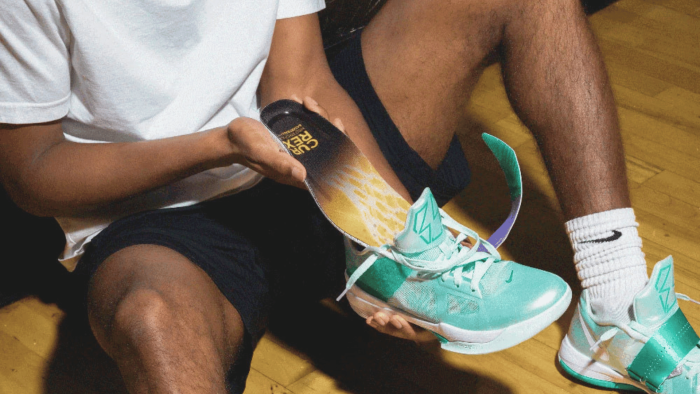
We Did a Little Sole Searching for Pickup Season
Your basketball shoes might be ready for the court. But are your feet?
-
Sports
VESSEL Solved One of the Most Annoying Things About Your Golf Bag
The new Player VI Series gives every club its own space and rethinks the golf bag from top to bottom.
-
Sports
These $228 Vintage NFL Hoodies Aren’t for Fair-Weather Fans
Greyson's limited-edition collection brings old-school style and premium craftsmanship to 17 NFL teams.
-
Sports
We Did a Little Sole Searching for Pickup Season
Your basketball shoes might be ready for the court. But are your feet?