A Better Way to Bring the Shade
For all the improvements we’ve seen in outdoor gear over the years, portable shade hasn’t changed all that much. If you want enough coverage for a few people, you’re probably dragging around a bulky folding canopy that takes up half the trunk and occasionally requires another adult to help wrestle into place. If you want something easier to carry, there’s the unreliable umbrella.
Shibumi has better ideas.
Shibumi was born from a simple observation. Beach shade hadn’t evolved in decades. Beachgoers were still lugging heavy pop-up canopies and flimsy umbrellas to the sand and hoping they stayed put when the wind picked up. Yeah, right.
Shibumi took a different approach, creating a radically lightweight shade designed to work with the wind rather than fight against it. In the process, the brand helped rethink what portable beach shade could look like.
And as Shibumi began looking beyond the beach, the team saw a remarkably similar problem.
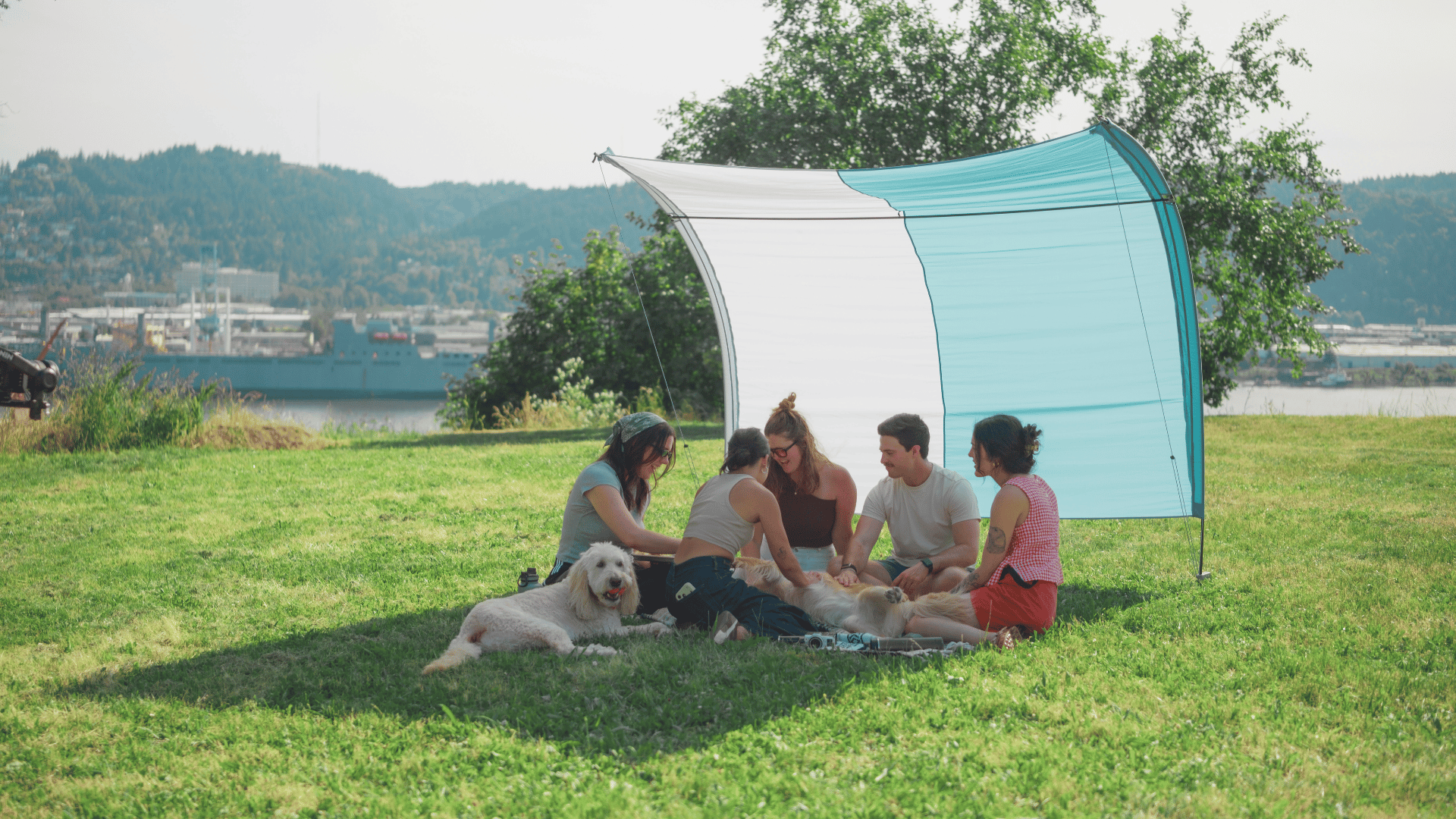
Now, Shibumi is taking that same less-is-more approach with the Park Vista, a portable shade system designed for parks, sports sidelines, lake days, backyard hangs, and just about anywhere else you might find yourself standing in the sun wishing you’d brought some shade.
A Pop-Up Tent Without the Pop-Up Tent
The question behind the Park Vista is a pretty good one. Why should providing shade for four people require 40 pounds of equipment?
Shibumi’s answer weighs less than five.
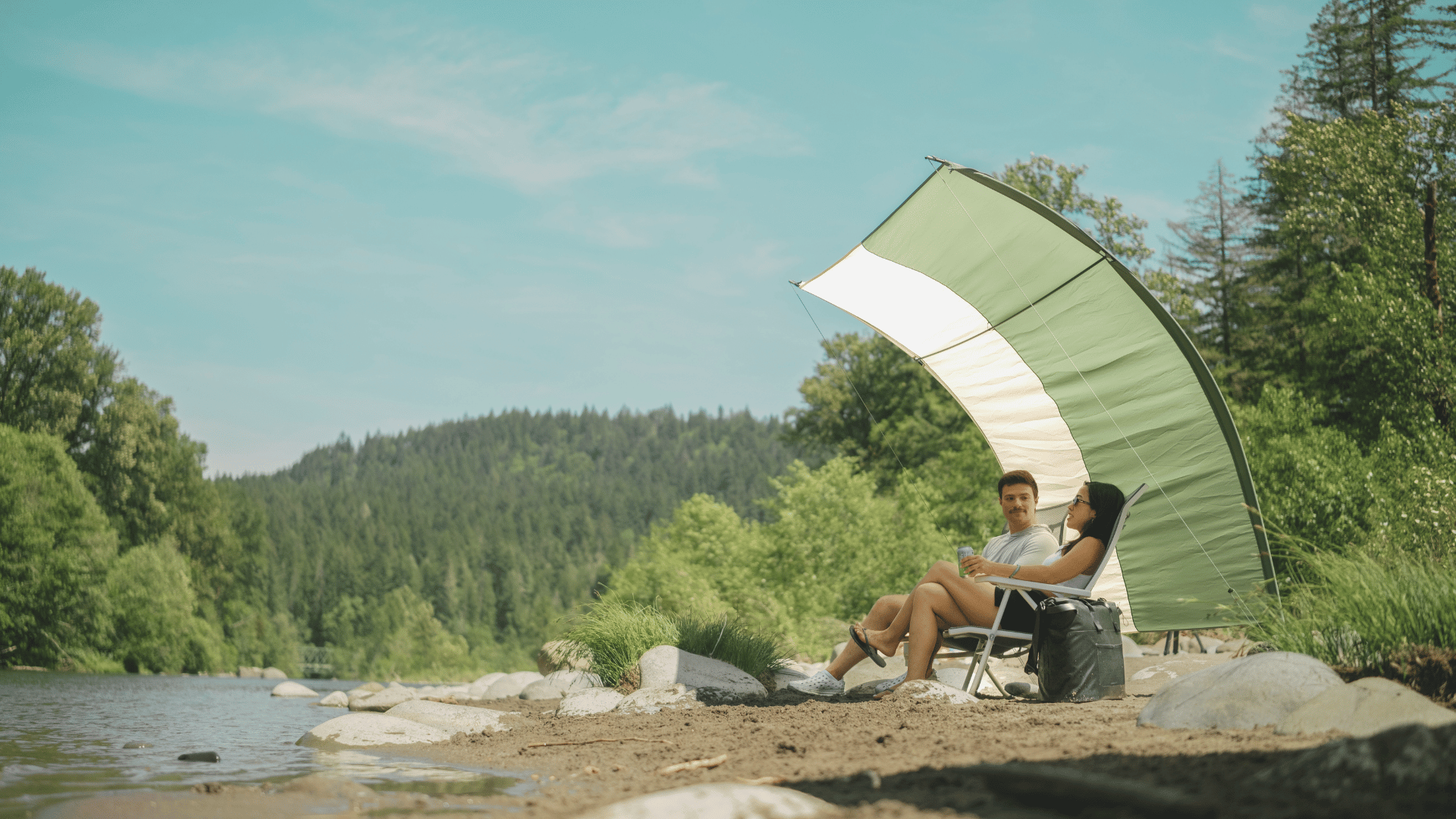
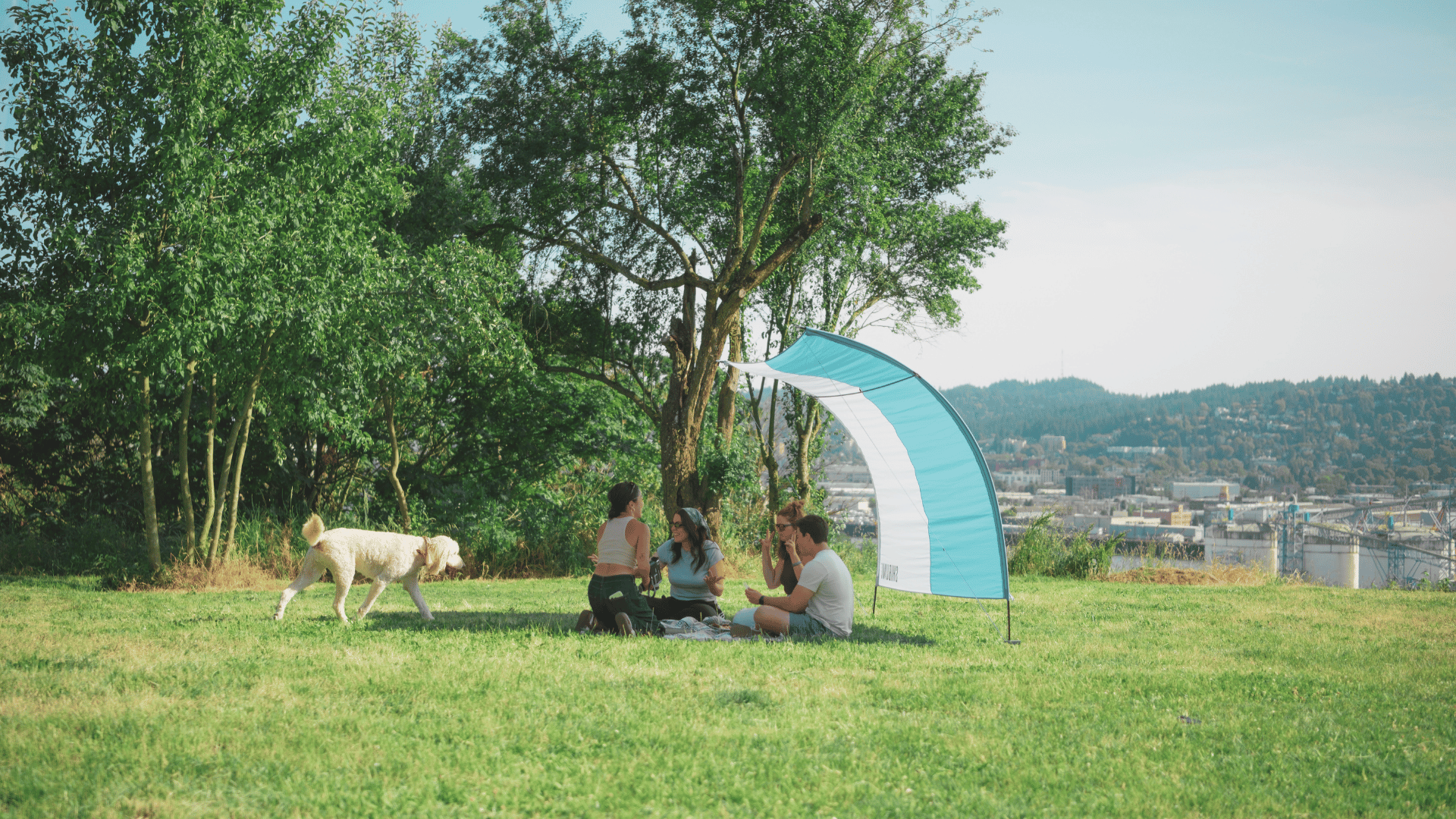
The Park Vista packs into a 26-by-6-by-4.5-inch carry bag, weighs under five pounds, and can be set up by one person in about two minutes. Once assembled, there’s enough shade for up to four people.
The impressive part isn’t simply that Shibumi made a pop-up tent lighter. It’s that it essentially stopped trying to make a pop-up tent at all.
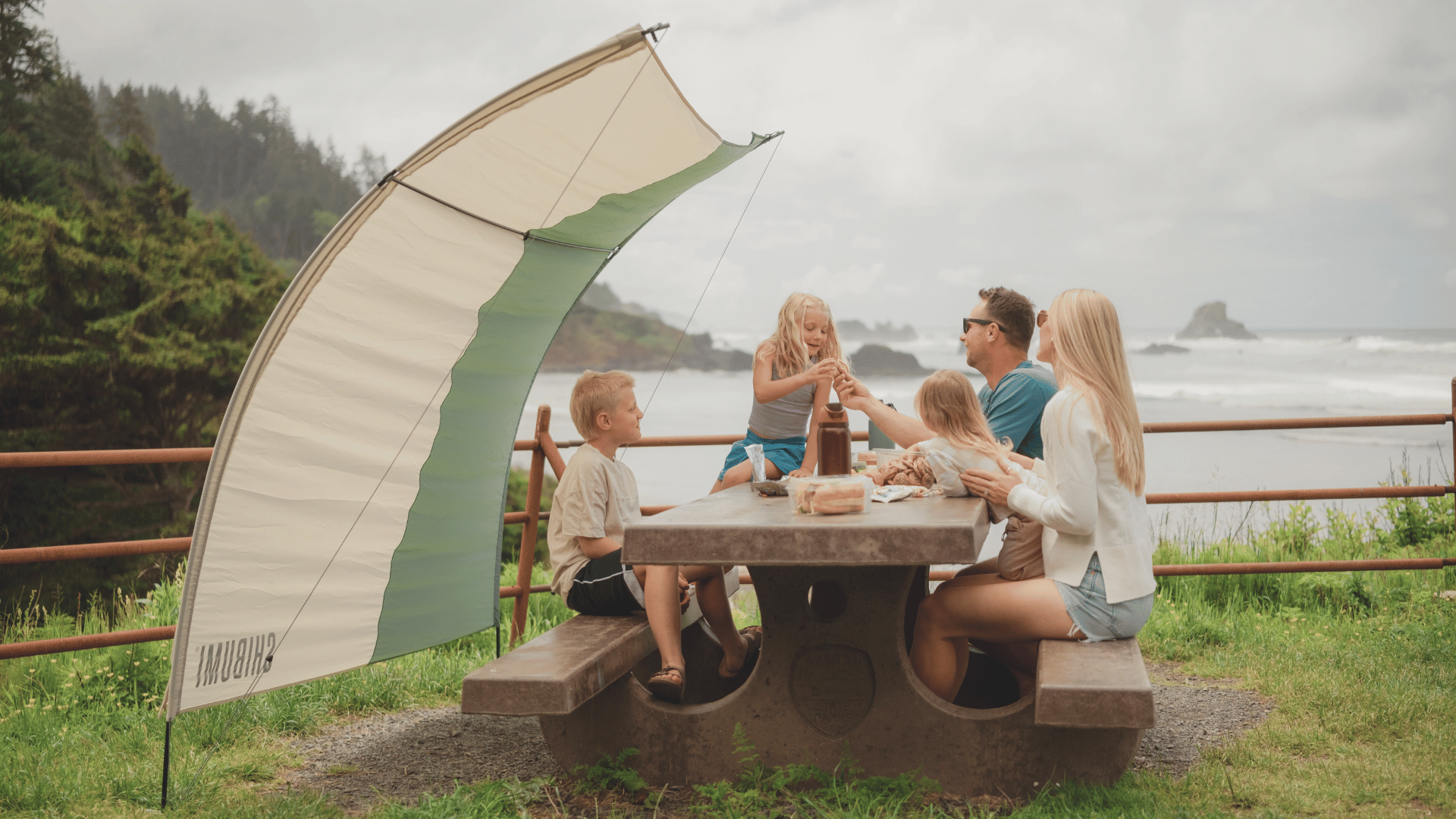
Gone is the heavy folding metal frame we’ve been lugging to tailgates and picnics for decades. In its place is a patent-pending system built around a considerably simpler structure, including a foot-press anchoring system designed for grass and other soft natural surfaces.
An adjustable canopy allows you to change the shade as the sun moves throughout the day, while detachable mesh side panels provide additional coverage when you want it. The water-resistant canopy offers UPF 50+ protection and uses Shibumi’s Quiet fabric, and multiple Park Vistas can even connect to one another when four-person coverage isn’t enough.
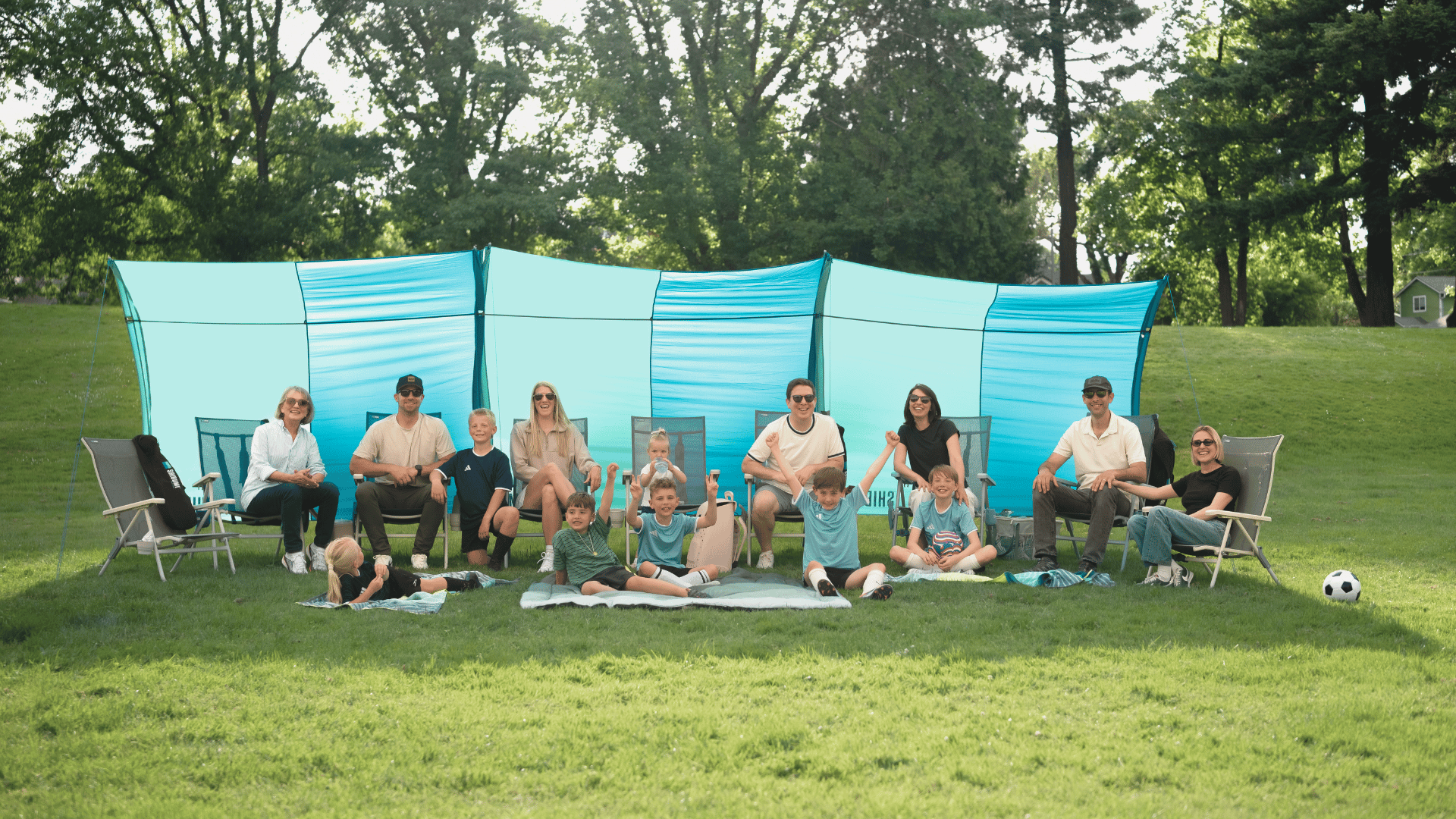
That last feature makes for an interesting comparison. Six Park Vistas can provide modular shade along something like a sports sideline while collectively weighing less than 30 pounds. Many single 10-by-10-foot pop-up tents weigh somewhere between 30 and 50 pounds.
In other words, you could carry six of these things and still potentially be hauling less weight than the one pop-up tent you already own.
The Best Outdoor Gear Is the Stuff You Actually Bring
For us, though, the Park Vista’s most compelling feature might be the one that’s hardest to put on a spec sheet. It’s small enough that bringing it doesn’t have to be a decision.
Traditional pop-up tents require planning. You have to remember to grab one from the garage, find room for it in the car, haul it from the parking lot, set it up, take it down, haul it back to the car, and eventually remember to take it out of the trunk again.
That’s a lot of verbs for some shade.
At under five pounds and roughly 26 inches long when packed, the Park Vista can simply live in your trunk. Suddenly, shade becomes less like a piece of event equipment and more like the camp chair or picnic blanket you keep around because you never know when it’ll come in handy.
Soccer game running long? There it is. Impromptu park afternoon? Covered. Lake day? Grab it. Backyard getting a little too sunny? You get the idea.
That distinction is important because some of the best product design doesn’t come from adding another feature. It comes from removing enough friction that you actually use the product more often.
Shibumi’s Second Act
That philosophy should sound familiar to anyone who already knows Shibumi.
The brand’s original beach shade worked because it questioned the assumptions baked into the beach umbrella. Instead of building something heavier to withstand the wind, Shibumi created something lighter that could use the wind to its advantage.
Park Vista applies similar thinking to the pop-up canopy.
A traditional 10-by-10 tent can still make plenty of sense when you need a large, fixed area of coverage. Park Vista isn’t pretending otherwise. What Shibumi is questioning is whether we need all that equipment every time we want to keep a few people out of the sun.
Most of the time, probably not.
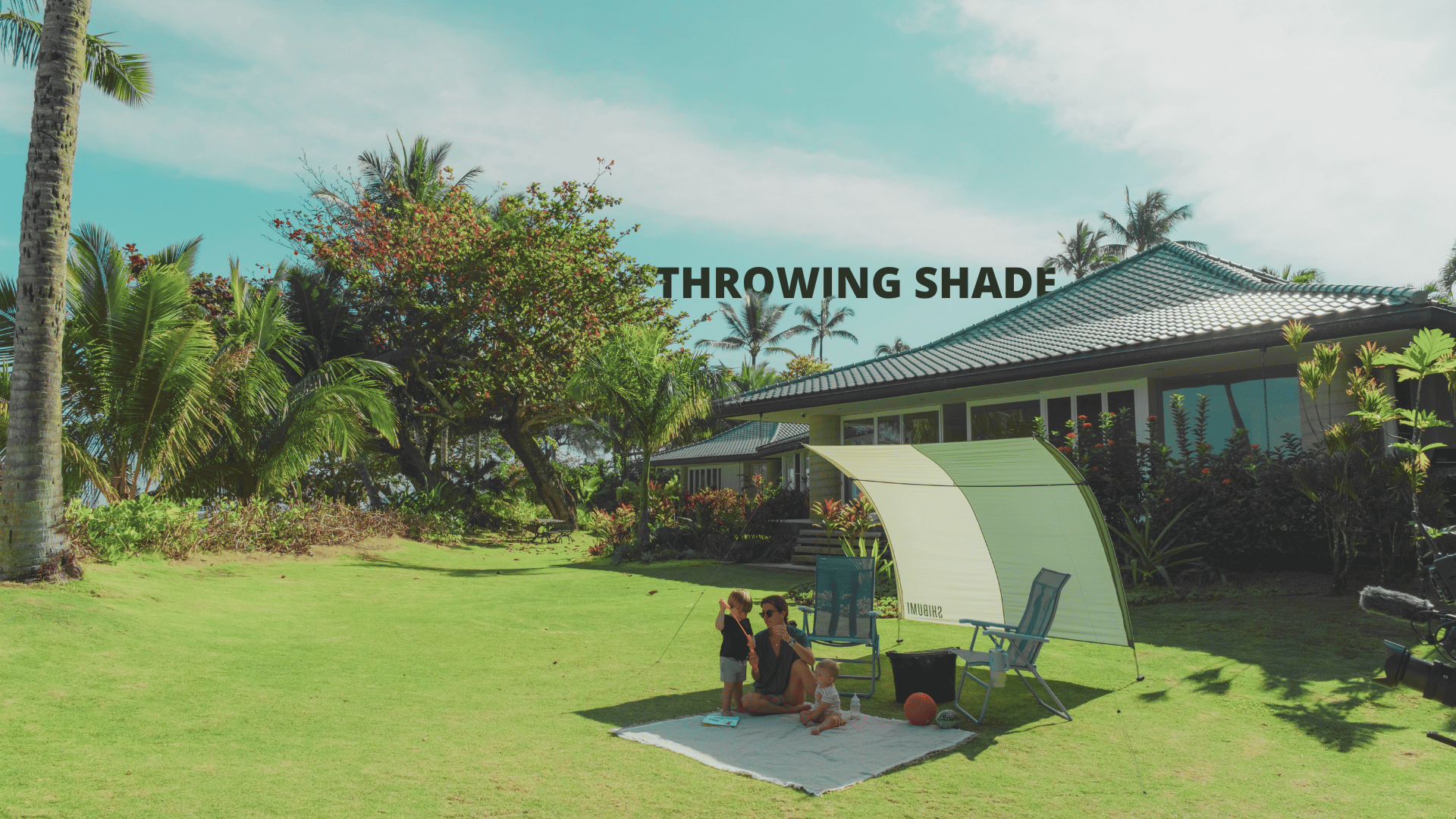
The Park Vista weighs less than five pounds, sets up in roughly two minutes, shades up to four people, and packs down small enough to forget about until the moment you’re very glad it’s in the trunk.
The views and opinions expressed in this partner article are those of the author(s) and do not necessarily reflect the official policy or position of Cool Material. The information provided in this article is for general informational purposes only and should not be considered as professional advice.
More What We're Buying
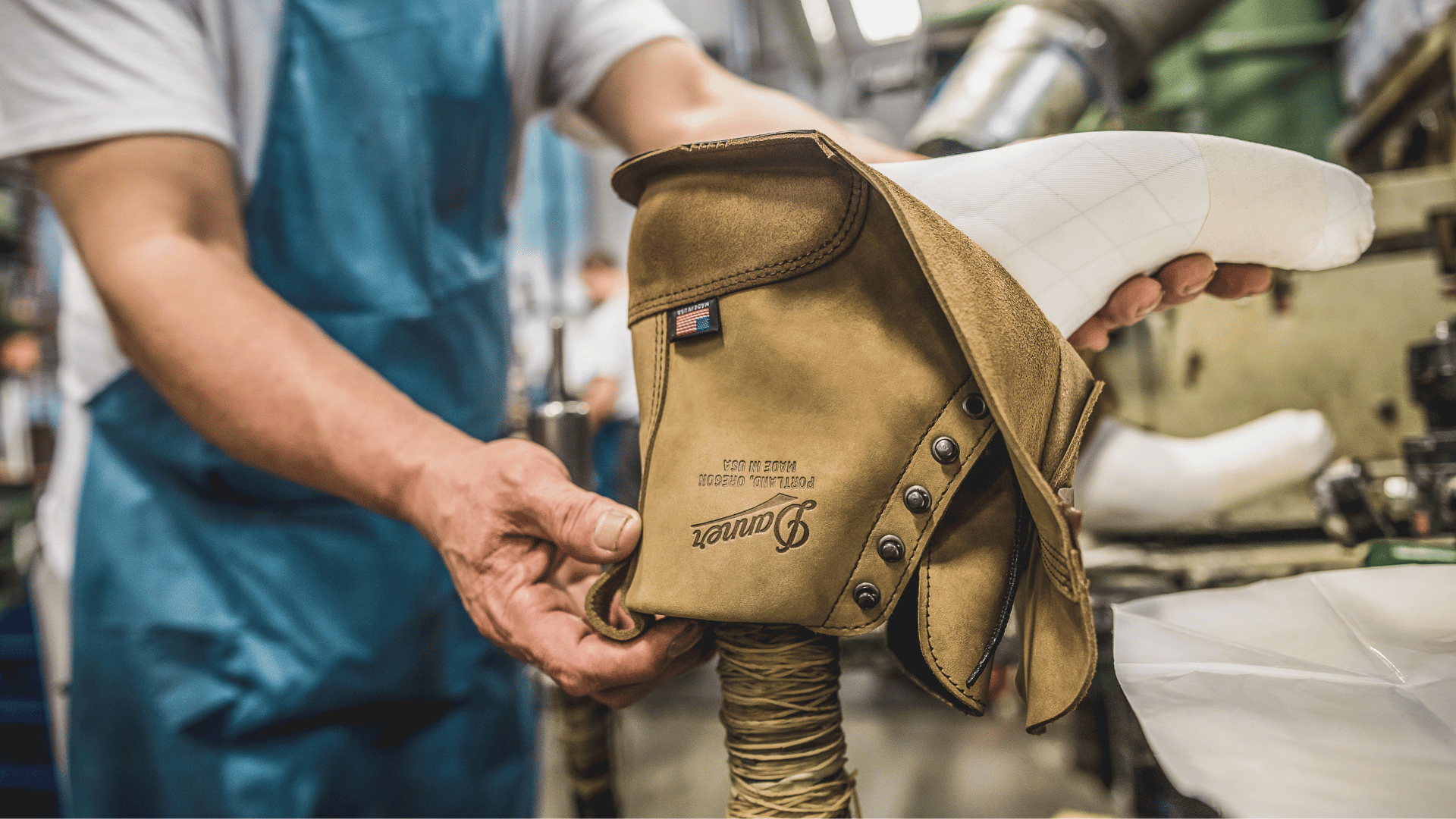
How Danner Makes Its Perfectly Rugged Boots Right Here in the U.S.A.
It’s not easy, but Danner’s long-running legacy leans on American-made craftsmanship and steadfast attention to detail.
Meshy Is Sexshy
MeUndies’ Sheer Mesh Underwear Is Back. For Now.
We Did a Little Sole Searching for Pickup Season
Your basketball shoes might be ready for the court. But are your feet?
-
What We're Buying
How Danner Makes Its Perfectly Rugged Boots Right Here in the U.S.A.
It’s not easy, but Danner’s long-running legacy leans on American-made craftsmanship and steadfast attention to detail.
-
What We're Buying
Meshy Is Sexshy
MeUndies’ Sheer Mesh Underwear Is Back. For Now.
-
What We're Buying
We Did a Little Sole Searching for Pickup Season
Your basketball shoes might be ready for the court. But are your feet?