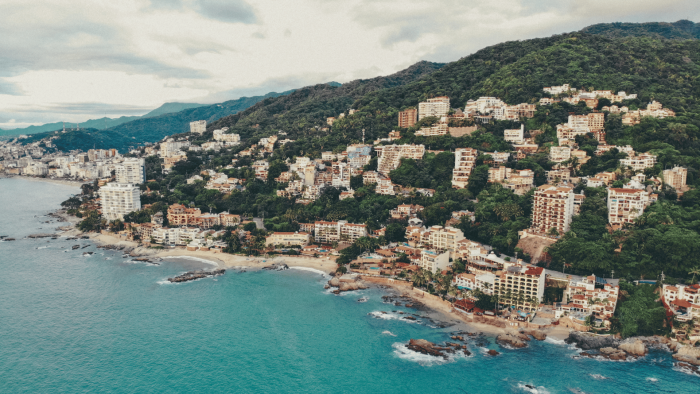
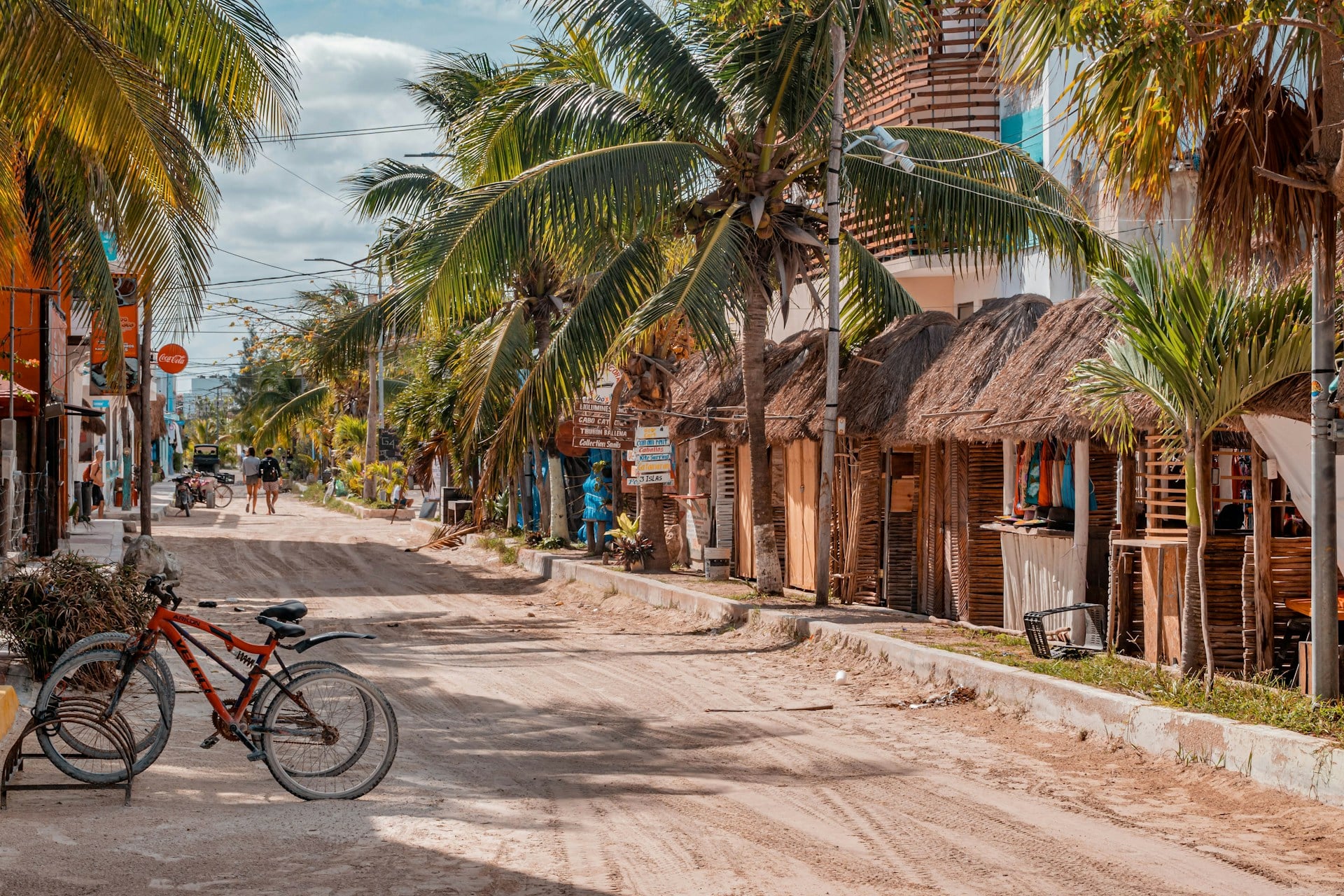
Growing up on the East Coast, it’s almost a rite of passage to graduate from going to Florida for vacations in high school to Cancún for spring break. But, with limited resources and a laser-focused agenda on maintaining a buzz for an entire week, anything outside of the all-inclusive resort is usually only seen from the airport shuttle window. Speaking from personal experience, I didn’t give much of the Yucatán Peninsula a second thought—that is, until I read about Isla Holbox.
With little accessibility to the mainland, Holbox is a world away from the nightlife of Tulum or the gated resorts of Cancún. It’s more natural, more rugged, and in some ways a more authentic version of Mexico than giant waterslides and beachfront nightclubs. And, after spending a week on this little stretch of paradise, I’m finding myself already looking at flights for next summer.
Places to Stay
The beauty of Isla Holbox lies in the island’s ability to blend tourism with nature, instead of fighting against it. While many destinations have succumbed to urbanism, Holbox has been able to seamlessly integrate into the natural resources of the island.
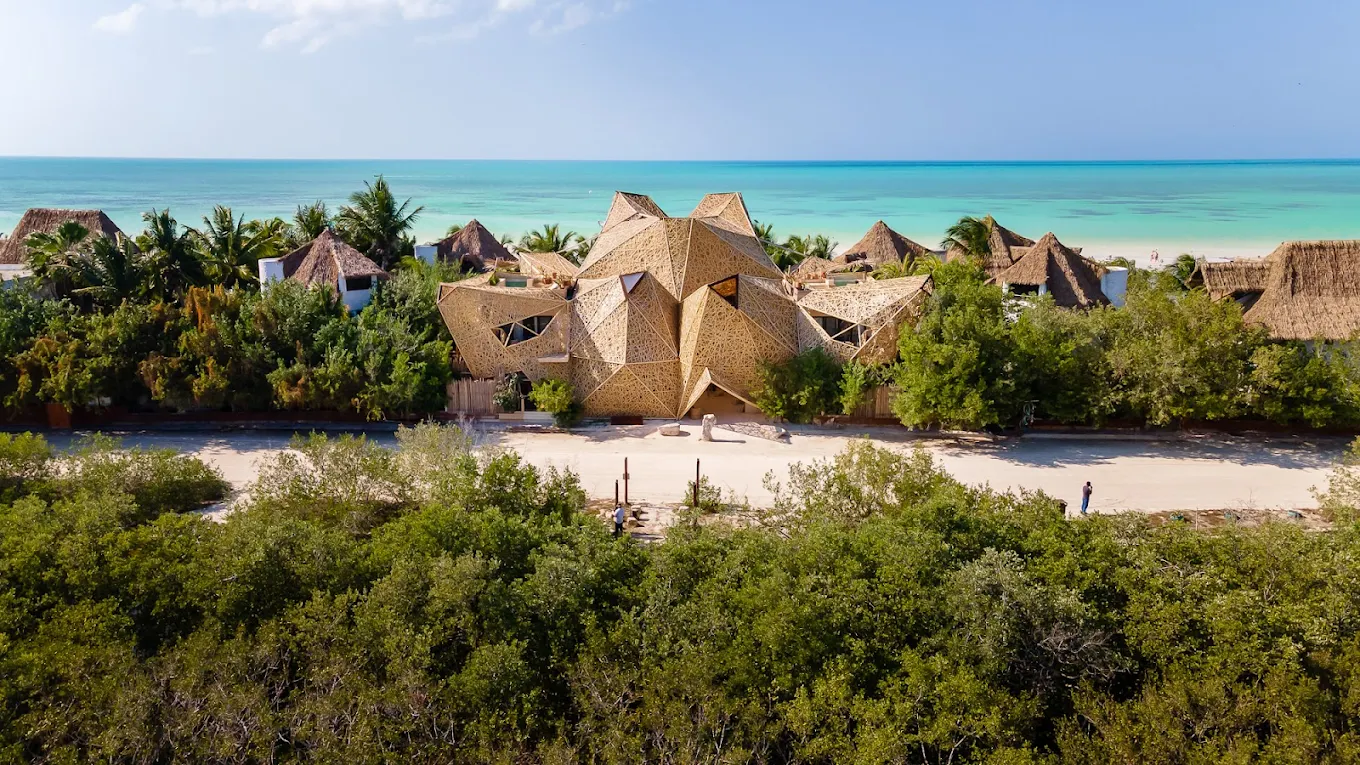
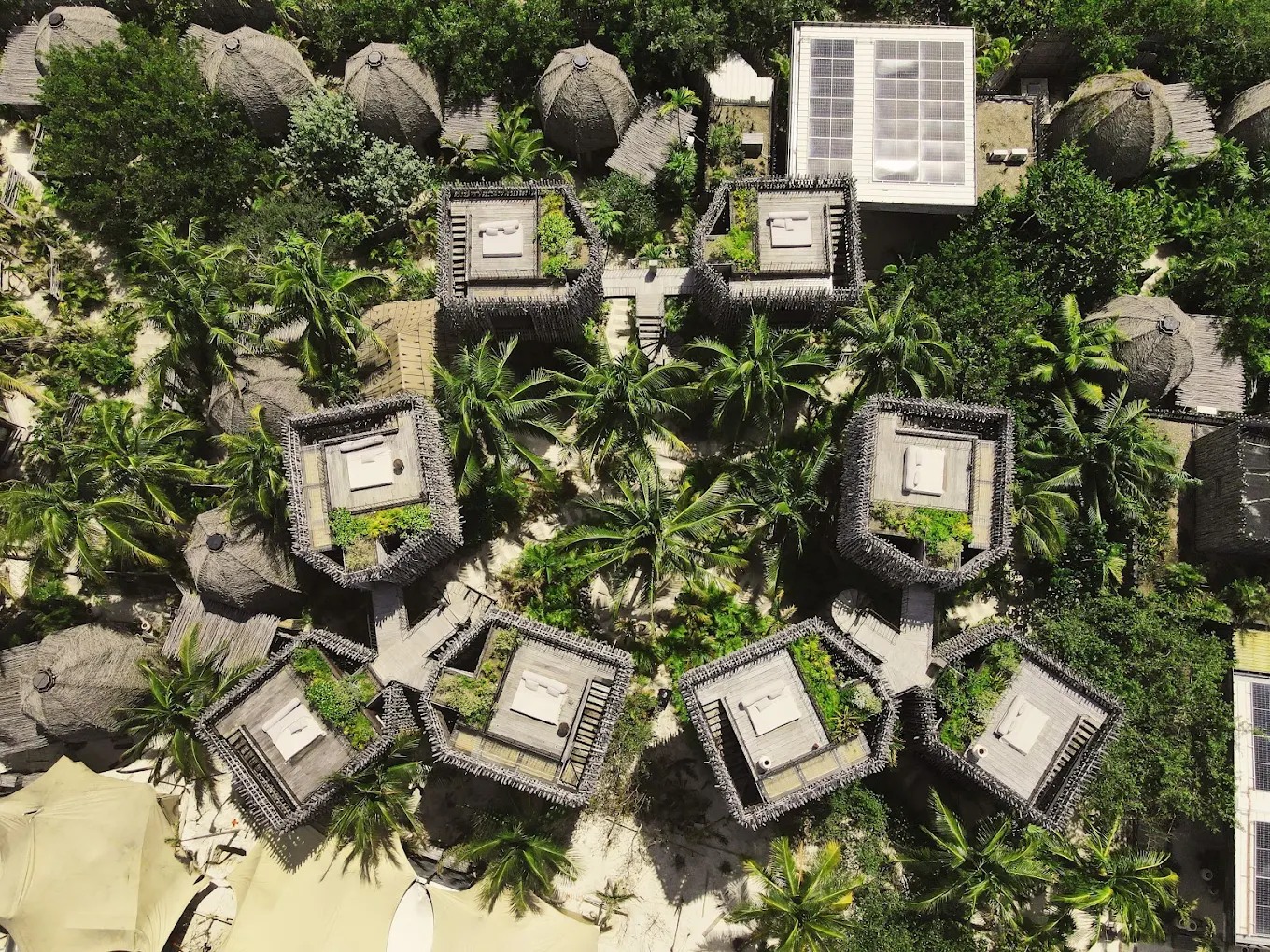
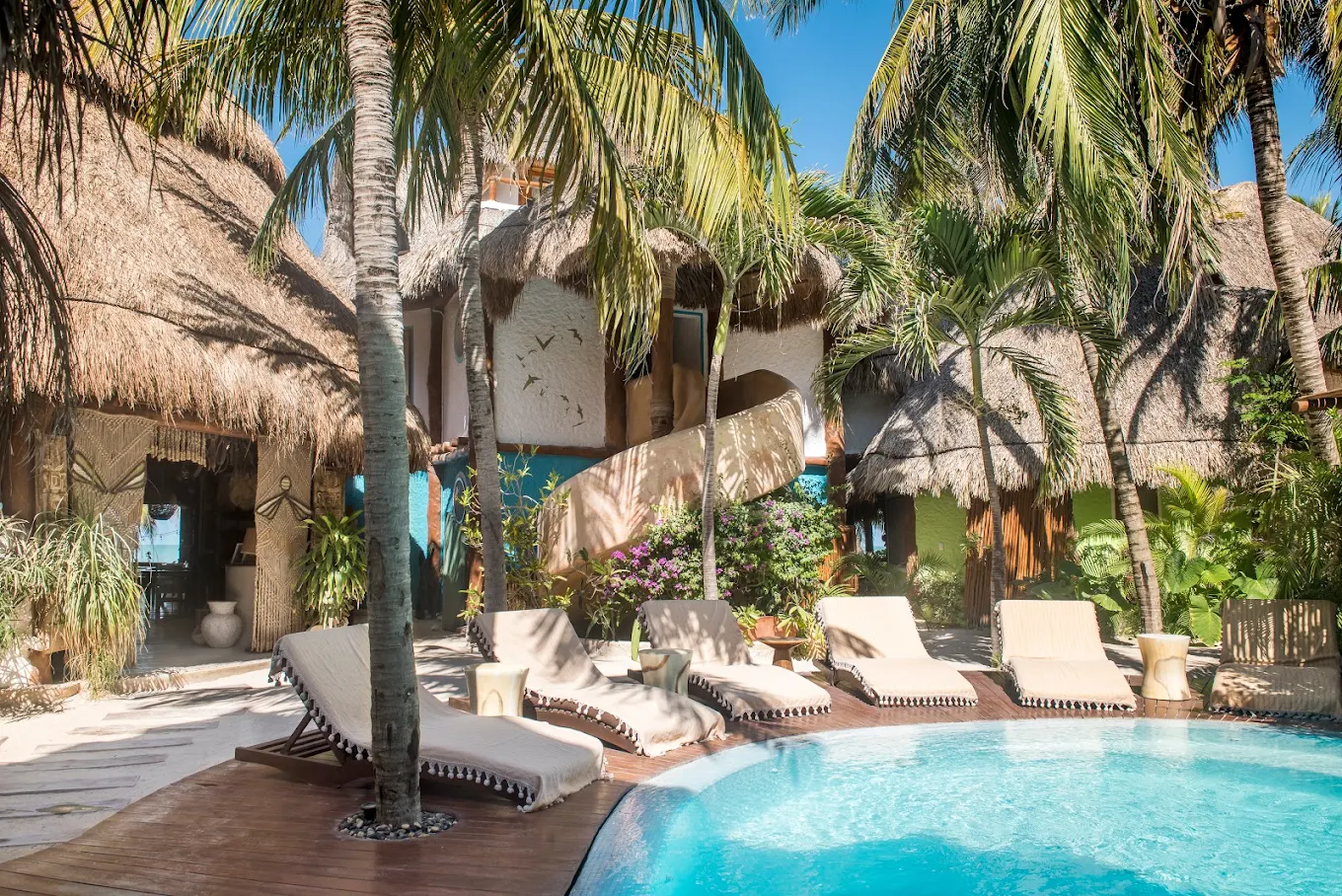
First among the hotels I recommend in Isla Holbox is Villas Flamingos, which uses natural elements as inspiration for its design and butts up against the Nature Reserve of Yum Balam, a stretch of protected land in the Yucatán Peninsula. Villas Flamingos is an archipelago of beachside buildings designed to imitate the island’s natural surroundings, with palm trees lining sandy walkways, three pools facing the sea, and rooms that use materials like bamboo and reclaimed wood to reflect the setting. Most notably, the lobby has no floor—just sand underfoot—and a series of geometric dome structures that give the space a sculptural, open-air feel. Guests can take out paddleboards or kayaks directly from the property, and some of the suites come with outdoor tubs or plunge pools overlooking the shoreline.
Nômade Holbox Hotel offers a quieter, more toned-down kind of luxury. Designed to blend into the island’s landscape, the rooms and suites are simple but considered—clay walls, linen textiles, private terraces. The focus here is on mindfulness and being one with the natural elements: yoga on the beach at sunrise, shaded seating areas made for long afternoons, and outdoor showers tucked among the trees. This same idea extends to the staff, who keep things deliberately low-tech, encouraging you to disconnect.
Casa Las Tortugas, one of the more popular hotels on the island, still feels intimate and personal despite its notoriety. The interiors mix handmade tilework and natural materials with a sense of play—colorful hammocks, shell-lined mirrors, and custom-painted furniture. There’s a small pool near the beach, a spa hidden among tropical plants, and daily workshops that range from creative projects to wellness sessions—I’m sure you’re starting to see a theme here.

Photo via Holbox Ferry 9 Hermanos
Getting to Isla Holbox
I’m going to be honest with you: it isn’t easy to get to Holbox. Expect to tack on about three hours onto your trip once you land in Cancún, as you’ll need to drive to another city and then take a ferry to the island. (Be sure to pack some Dramamine if you get motion sickness.) Here I’ll break down the best way to get to the island:
First, you’ll need to fly into Cancún International Airport. While Isla Holbox does have an airport, it’s a small regional landing strip at best, made for puddle-jumpers and not for everyday travelers.
At CUN, you have the option of taking the bus, a shared shuttle, or a private shuttle. Like anywhere, the bus is going to be the most economical option, but will be limited to a specific timetable and an extended travel time (usually about 1.5 hours slower than a shuttle). For a shuttle, a shared option can be quite inexpensive (around $45–60 USD), but the drawback is being with others in the shuttle and possibly having to wait for their plane to arrive before your driver can depart. The third option is a private shuttle, which is the most expensive at around $200 per leg of the trip, but also the most convenient. For a shuttle, expect the trip to Chiquilá to be around 1.5–2 hours, with a stop for snacks and a bathroom break usually included.
Once you’re in Chiquilá, you will need to take the ferry to the island. There are two ferry services and both run at regular intervals from 6:00 a.m. to 9:30 p.m. The ferry takes about 30 minutes from dock to dock. Be advised that the water can get choppy and if you choose to sit on the top deck, you will get soaked. Finally, you’ll arrive at Isla Holbox’s port, where you can flag down one of the ample taxis (which are, in reality, souped-up golf carts) waiting at the port.
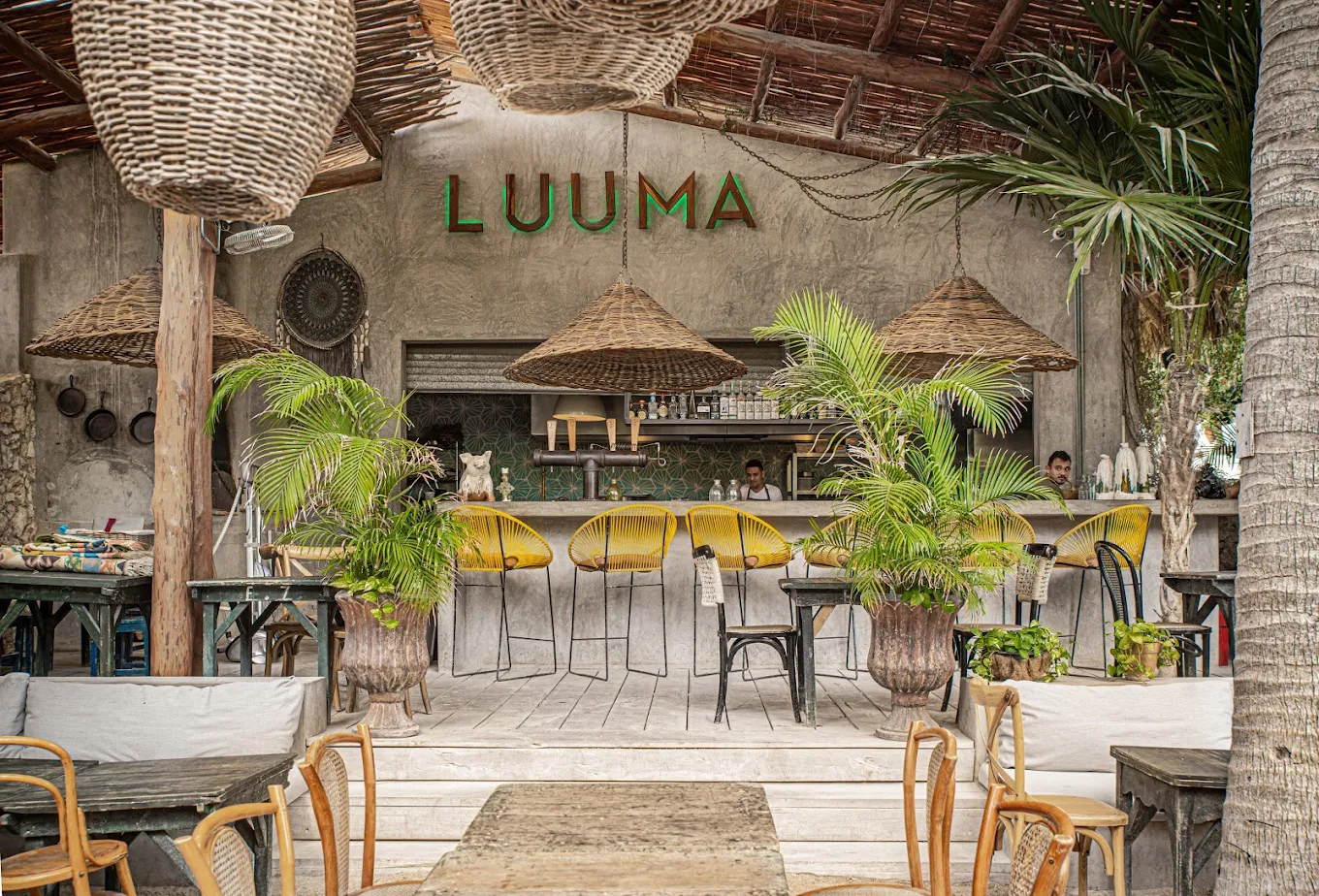
Laid-back vibes at LUUMA's tree-shaded courtyard.
Photo via LUUMA Holbox
Where to Eat
Isla Holbox is about 26 miles long and just under 1.5 miles wide. Despite its small footprint, if you put your finger anywhere on a map of the island, you’re going to find somewhere good to eat. In the five days I was there, I don’t think I had a single bad meal.
Having stayed at Villas Flamingos, Mangle was my go-to breakfast and dinner spot for the duration of my stay. Offering fresh seafood and an elevated take on classic Mexican fare, it was light enough for a day at the beach but flavorful enough so I didn’t feel like I needed anything else to satiate me.
If you find yourself off the resort one morning, be sure to try Painapol, which specializes in fresh fruit, smoothies, and a few vegan options. Or, maybe grab a coffee and croissant at Copal Café Zomay, which has the perfect balance of a neighborhood hang-out and Instagram-worthy backdrop.
For dinner, Viva Zapata is a lively, no-frills spot serving grilled lobster and a pretty damn good margarita. LUUMA offers a more curated experience—small plates, award-winning cocktails, and a tree-shaded courtyard. If you’re in the mood for something stylish and moody, Barba Negra delivers with dim lighting, a well-edited menu, and a great selection of tacos. And for dinner that mixes Caribbean flavors and homestyle comfort, Santos Fuegos is worth a reservation.
After hours, head to Hot Corner, which has become something of a gathering spot for tourists and backpackers who make their way to the island’s nightlife.

A fuzzy friend from Refugio Animal Holbox.
Photo by Brett Braley
What to Do
While Tulum and Cancún are going to offer you a few good nights out (and most likely a deadly hangover or two), Isla Holbox is more a place to relax and rejuvenate. The people, economy, and tourist attractions all intermingle with the natural resources of the island, making for activities that focus more on the unique surroundings rather than epic parties.
With Isla Holbox’s focus on preservation, there is a widespread respect for the flora and fauna of the island, including the migratory flamingos, whale sharks, and bioluminescent algae. Tours are available to experience each, but be sure to plan your schedule ahead of time, as you may be out on a boat for a full day to swim with whale sharks, or start your tour to see the bioluminescent waters at 11:00 p.m. And, of course, these tours are dependent on factors like weather and seasonality.
Wellness plays a large part in the activities offered on the island. While walking the beach, you’ll find an array of tents offering massages. You can also book a private yoga session or sound bath to enhance your mental and physical health. And if that’s not your thing, you can always rent a paddleboard or bike from your hotel or a local company to burn off that third mojito from the night before. Just be sure to pack bug spray, as the mosquitos will eat you alive.
For those looking to explore beyond the shoreline, consider renting a catamaran for a day trip to the surrounding islets. The most popular route takes roughly four hours and includes Isla Pájaros, a protected bird sanctuary where you can spot herons, pelicans, and flamingos in their natural habitat. Isla Pasión is perfect for a secluded beach picnic and a swim in crystal-clear shallows—though the water can get a bit gross when the tide is low.
And finally, one delightful surprise I discovered on the island was the local animal shelter, Refugio Animal Holbox. When visiting the shelter, you can be paired with a dog to walk around downtown Holbox, spending some time with those up for adoption, giving them some love and helping them stay socialized. I found this to be the most rewarding part of my stay and any unused pesos on my last day were tucked into their donation box as a small thannks for all the hard work they’ve done rescuing and rehabilitating dogs, cats, and even the occasional raccoon over the years.