You might not realize it, but sake is not a hard liquor. Even though you see people sipping it neat or mixed into cocktails, it’s not actually a spirit. Instead, sake is a Japanese rice wine, though it’s not made the way most wines are made. And it gets more confusing than that. The national beverage of Japan is its own, unique form of alcohol.
While it’s a rice wine, it’s made more like a beer, with starch converted to sugar and then fermented. Confused yet? Fear not, we’re about to take a deep dive into this popular Asian alcoholic beverage that’s been made for more than a thousand years. Keep scrolling to learn everything you’ve ever wanted to know about sake.
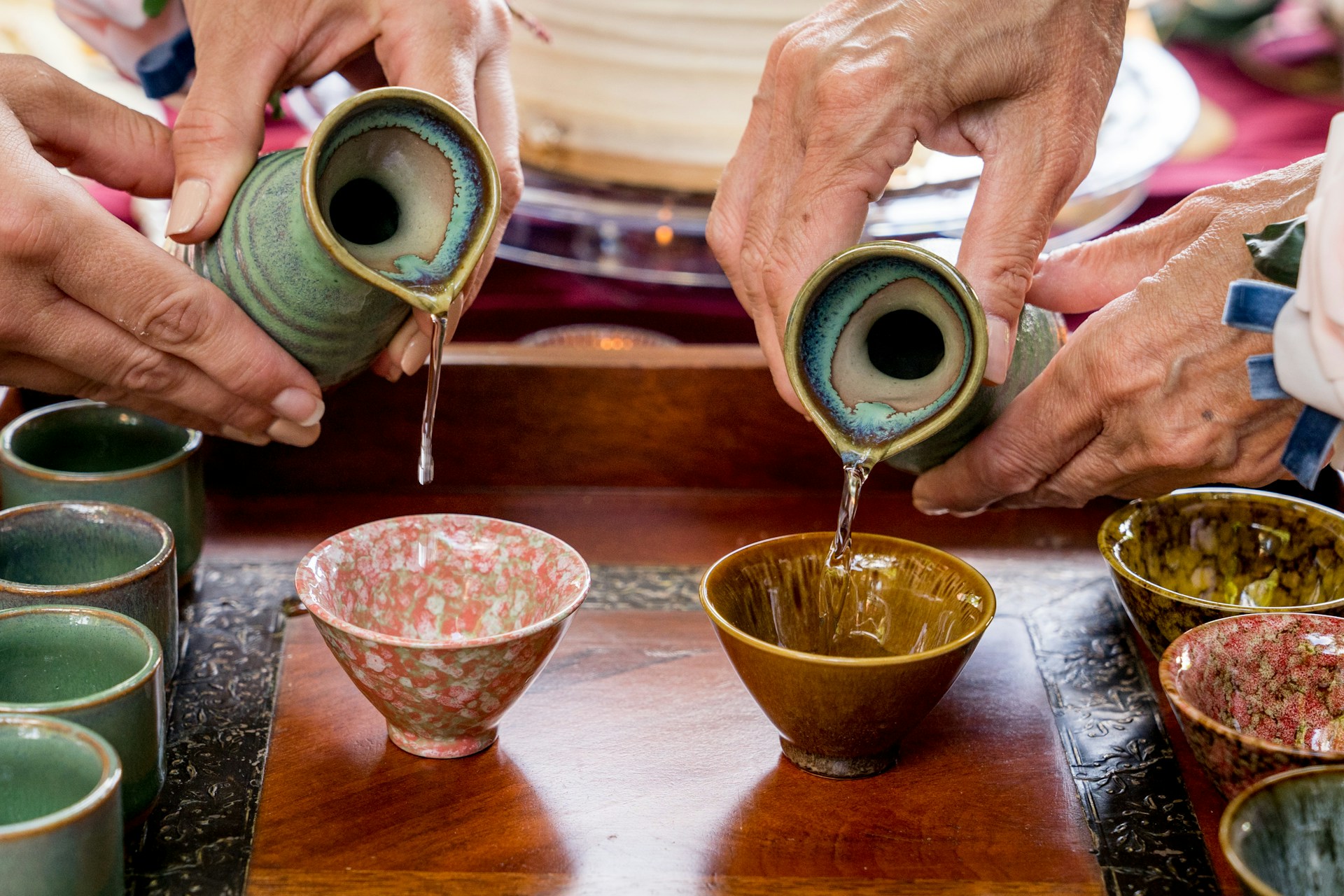
Photo by Frederick Shaw on Unsplash
How Is Sake Made?
Sake is made from only four ingredients: rice, koji, yeast and water. Koji is a type of mold called Aspergillus oryzae. It’s used to to saccharify alcoholic beverages throughout Asia, including sake.
The first step in the process is rice polishing, where 30-50% of the rice’s surface area is removed. Next, the rice is rinsed, steamed, steeped, and steamed again. Some of the steamed rice is used to make koji. The rest is cooled to be used in the fermentation process. The next step is the making of the koji, combining steamed rice and fungal spores in a special, temperature-controlled room where thye are left for two days.
Next, the koji and yeast are added to a tank of water and mixed together. Then, the rest of the steamed rice is added to make what is referred to as “moto.” This is when the yeast begins to turn the starch into sugar, thus jumpstarting the fermentation process.
Then, the “moromi,” a mix of solids and liquids, is created. The solid portion is filtered out after fermentation. The solid is referred to as “sake cake” and the liquid is the sake you drink. It’s then pasteurized and filtered before being aged in tanks for at least a year. Finally, it’s bottled and ready for consumption with an average alcohol percentage between 15-20% ABV.
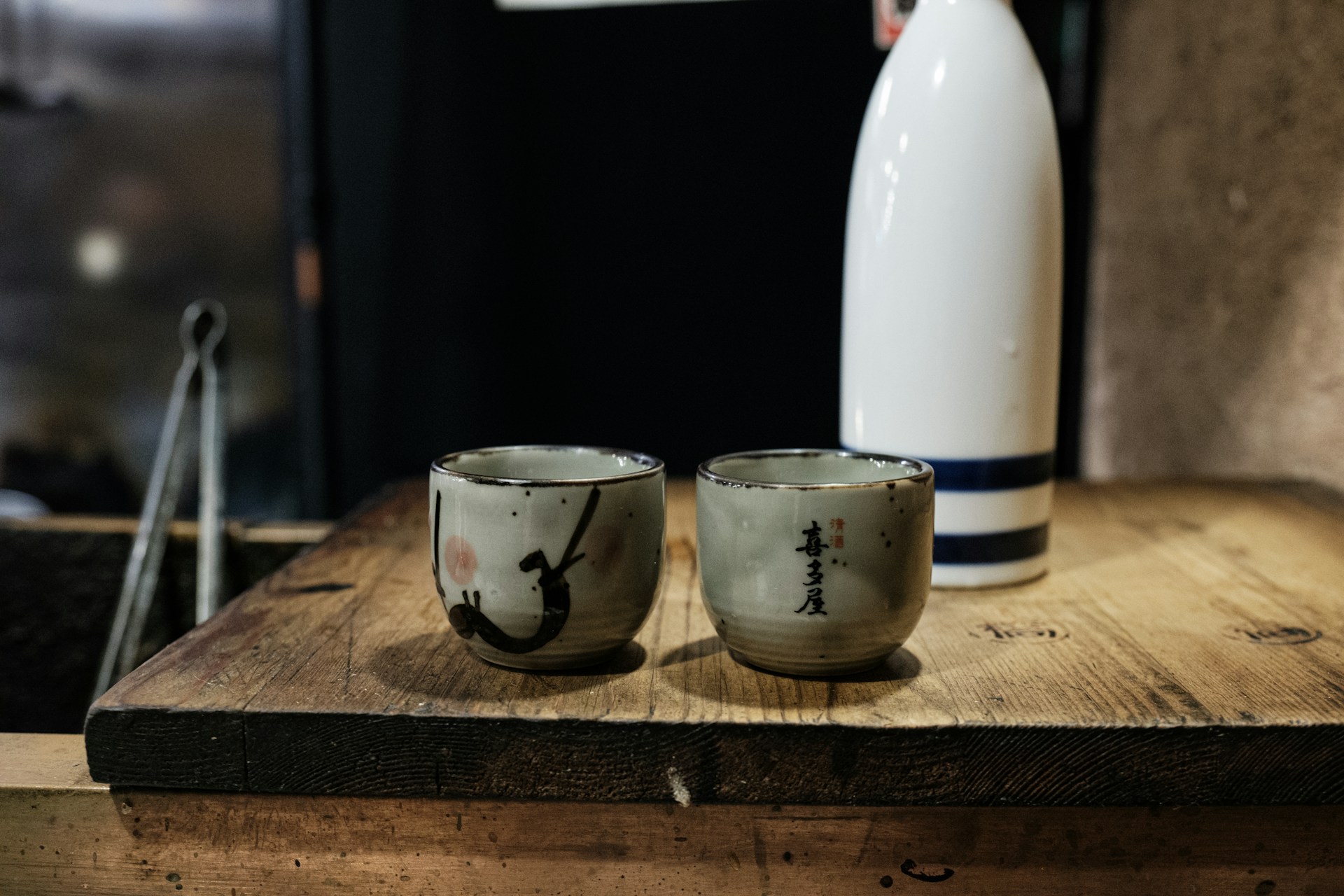
Photo by Nichika Sakurai on Unsplash
What Does Sake Taste Like?
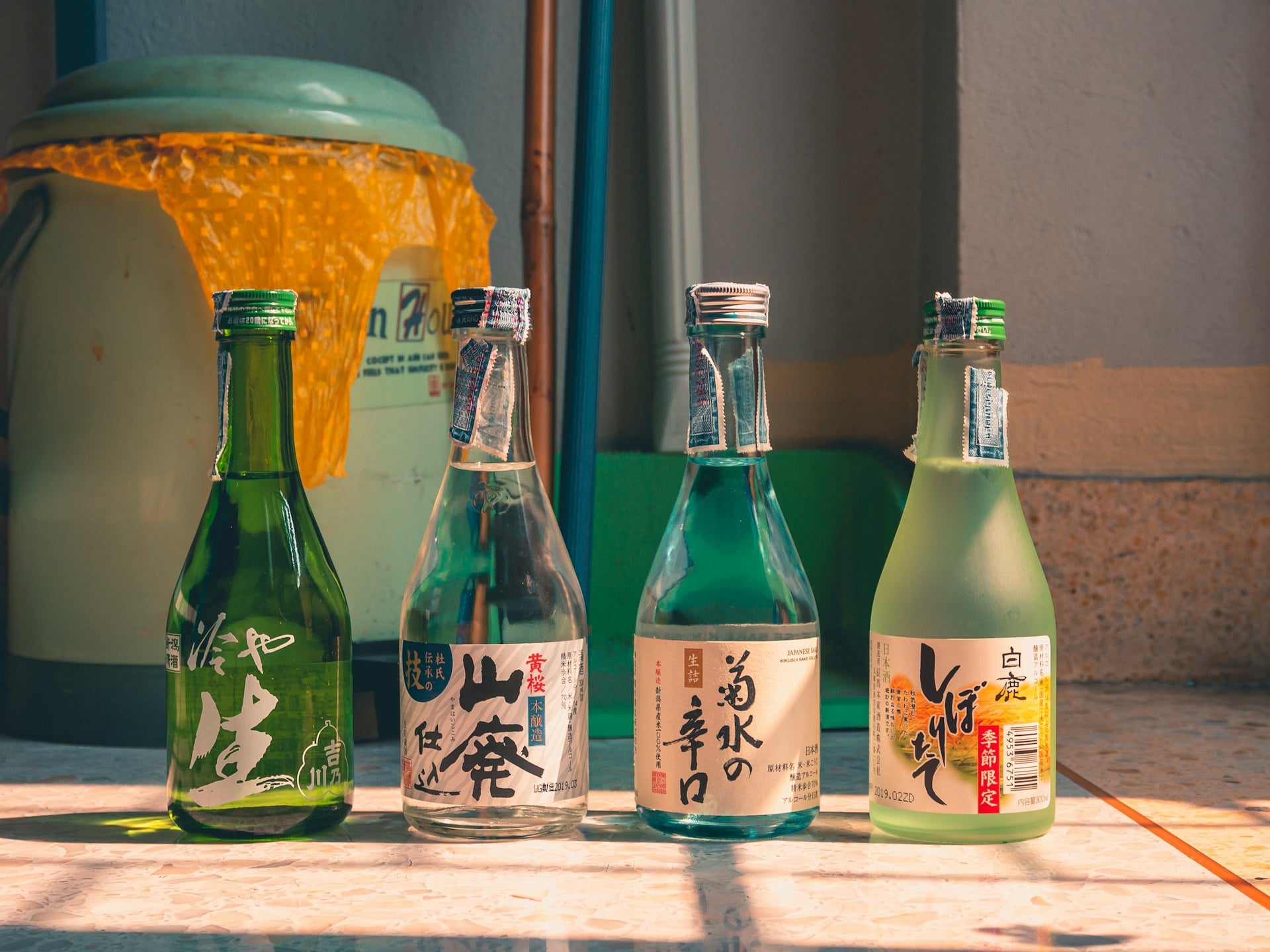
There are many different types of sake and this depends on how it’s brewed, the type of rice used, and whether the brewers add distilled alcohol, and the addition of carbination or additional flavor In general, most sake is lightly sweet, with a clean, sometimes dry finish. You can also find earthy, fruity, rich, nutty, and even some varieties with umami flavors. It’s a beverage that needs to be tasted to be believed.
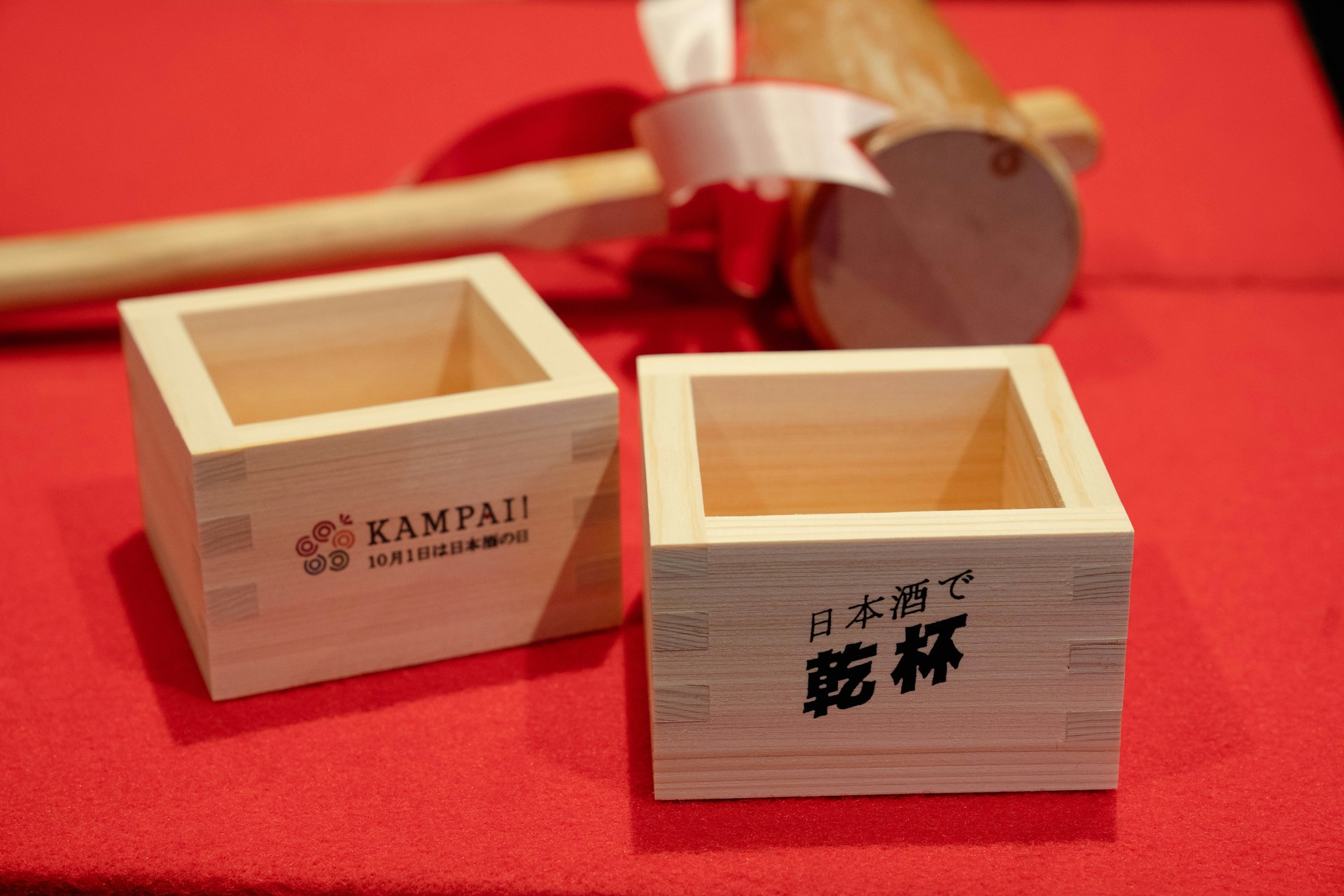
Photo by shin kuroyanagi on Unsplash
How to Drink Sake
There are a variety of ways to drink sake, which depend on your personal taste and the type of sake you’re imbibing. It can be enjoyed chilled, warmed, or at room temperature. It can also be enjoyed in a cocktail as long the light, delicate flavor isn’t overpowered by other ingredients.
Now that you’ve learned a little about the sake-making process, what it tastes like, and how to drink it, it’s time to actually find some sake to add to your home bar cart.

Photo via Tippsy
Kurosawa Nigori Sake
This 8% ABV nigori-style, cloudy white sake can’t be missed thanks to its creamy, fruity, umami flavor. It’s lower in alcohol than some other varieties, but what it lacks in alcohol content, it makes up for in balanced, memorable flavor. If you’re only going to add one nigori-style sake to your home bar, make it this one.

Photo via Tippsy
Hakutsuru Superior Junmai Ginjo
This 14.5% ABV sake is made with natural spring water from Mt. Rokkō and slowly fermented at very low temperatures. The result is a sake that’s best enjoyed chilled and carries flavors like honeydew melon, ripe berries, orchard fruits, and slight umami.

Photo via Total Wine
Shimizu No Mai Pure Dusk Junmai
Crafted at the Takashimizu brewery in Akita prefecture, Pure Dusk is the Junmai Daigingo selection of the brand’s Pure Series. This high-quality sake is made using rice that had at least 50% of its surface area removed. The result is sublimely delicate, with flavors like melon, pear, orange peels, and just a hint of memorable minerality.

Photo via Total Wine
Izumo Fuji Junmai
This brand’s name pays homage to the geographical symbol of Japan: Mt. Fuji. It’s made using traditional techniques with Yamada Nishiki rice grown in the Shimane prefecture. This means everything is done by hand, without the use of machines. The result is a 16% ABV sake known for its dry, fruity, memorable flavor that features notes of ripe plums and flowers..