
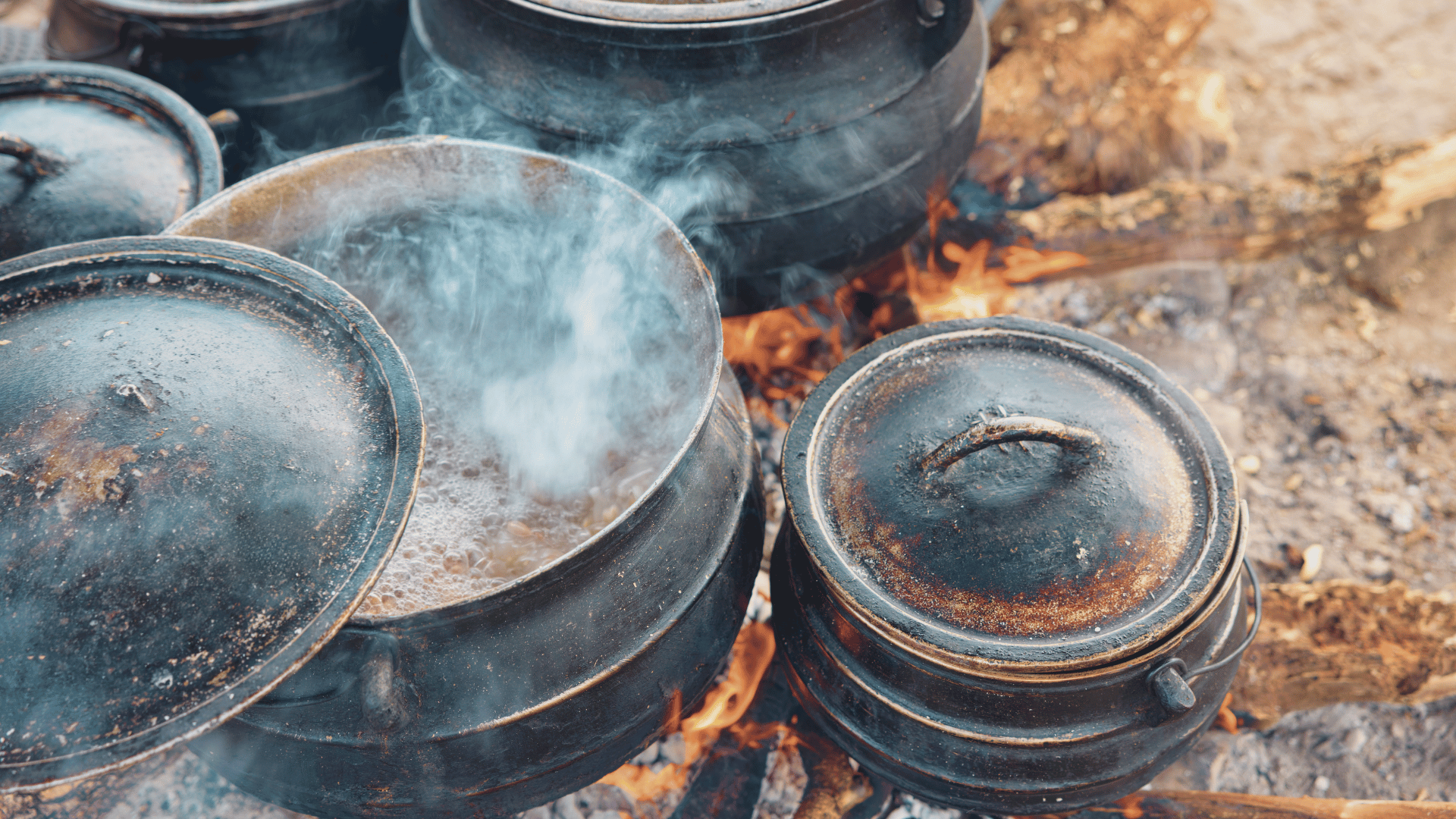
On each and every continent across the planet, there are countries that honor an ancestral tradition of preparing dishes in the earth’s soil. Underground cooking is common because the ground insulates well and retains heat, allowing food to cook slowly and evenly. In some cultures, the pit barbecue technique calls for adding hot rocks to the pit, as the stones’ thermal mass helps cook the food, while others use geothermal activity. Here are some examples of foods traditionally prepared in the ground.
Mexico
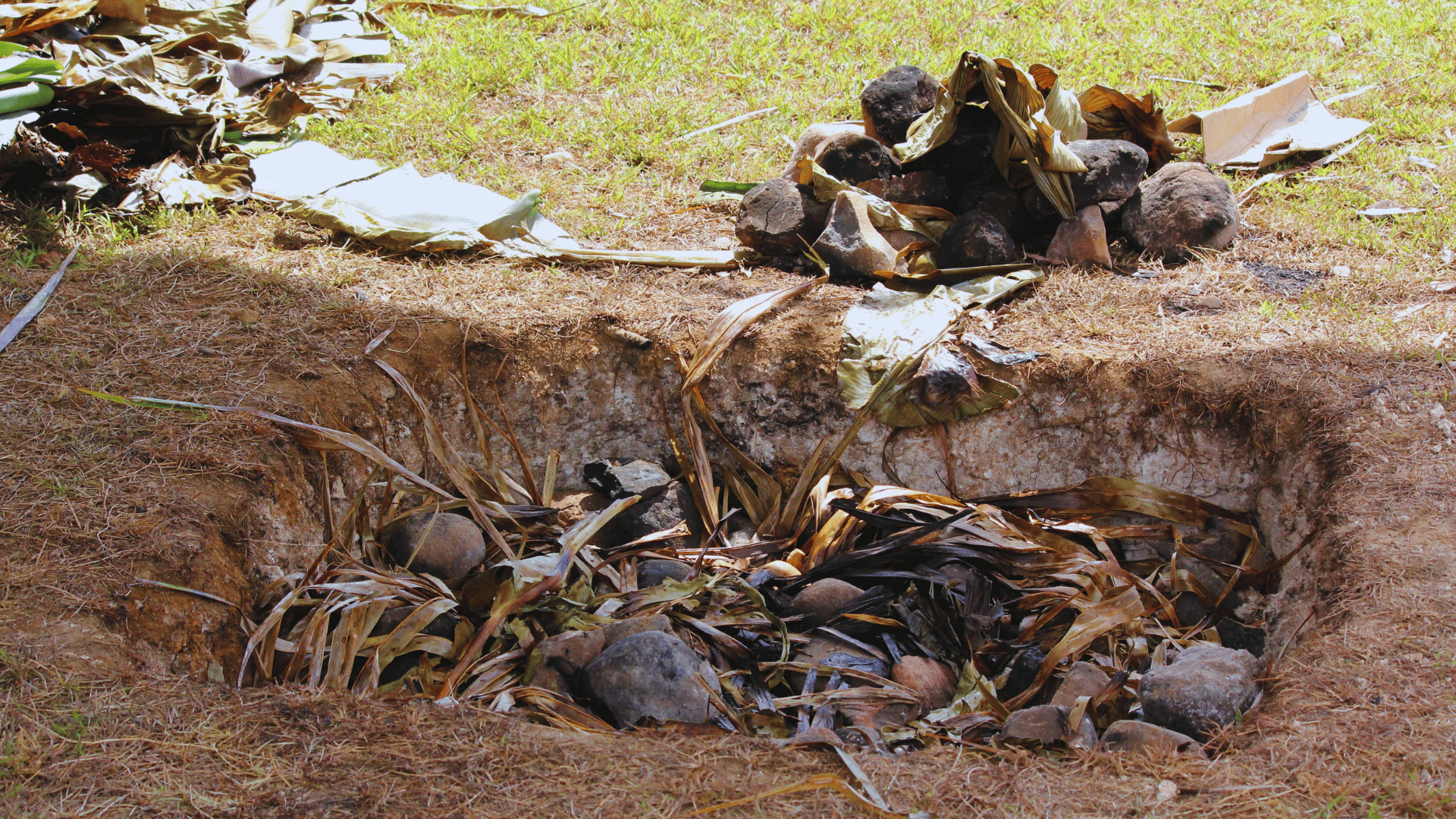
Pib-style cooking is an ancient Mayan underground pit-cooking technique used in the Yucatán Peninsula to prepare cochinita pibil, a dish of pork marinated in achiote and bitter orange. To prepare the dish, a pit in the ground is lined with hot stones, the meat is placed inside, and the pit is covered so the meal can slow-roast for hours. In Hidalgo, barbacoa is a dish made with lamb that’s steam-roasted in the ground in a pit lined with maguey leaves. An earth oven is used in Jalisco to prepare birria, a meat dish marinated in adobo.
Jordan
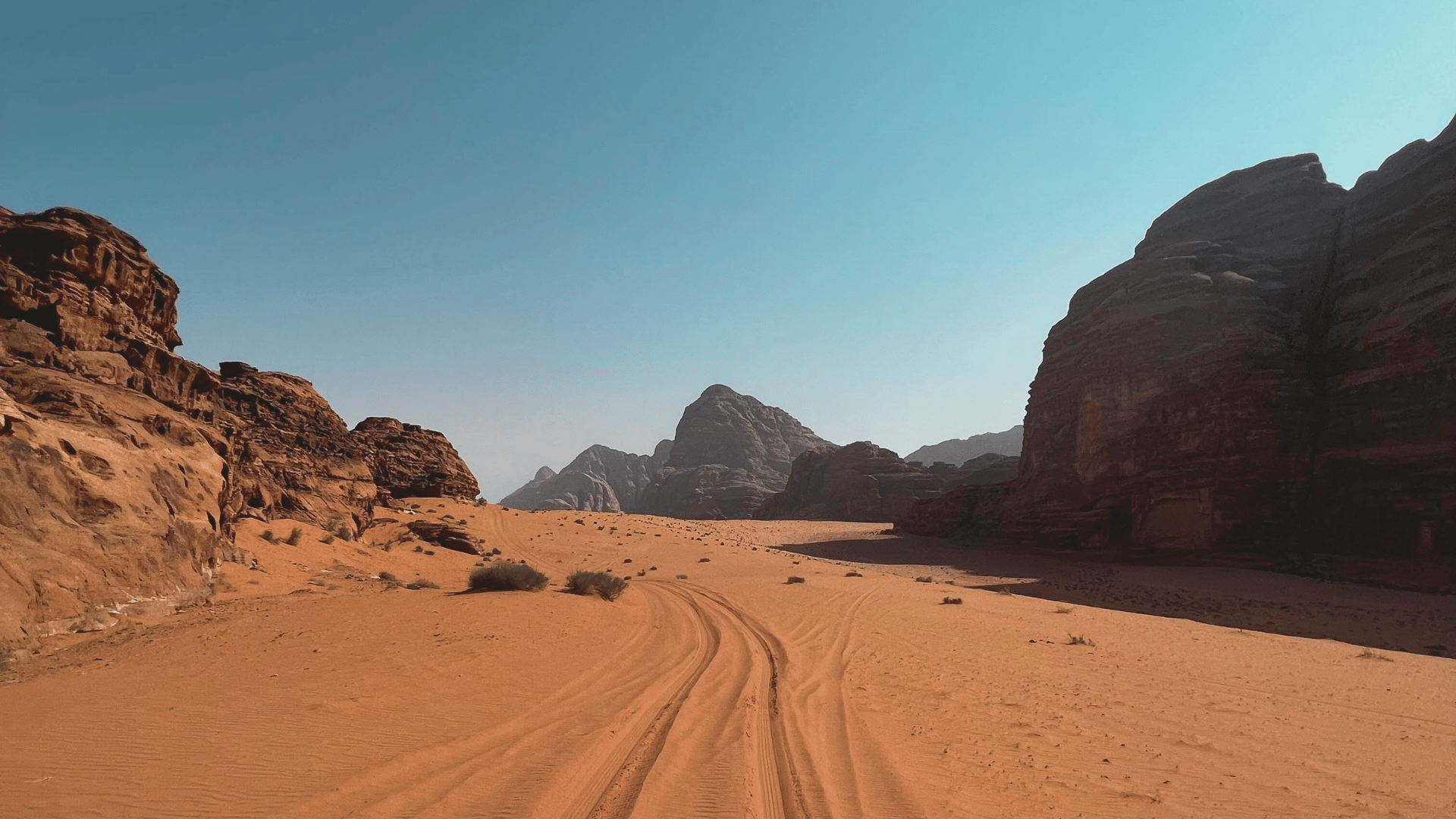
The Bedouin community in Wadi Rum digs meter-deep cylindrical pits in the desert sand and lines them with stones to prepare a zarb. A fire is built in the hole with local acacia wood, and once the wood burns down to glowing charcoal, the lamb is lowered into the pit. The pit is covered with a metal lid and a thick layer of sand to insulate the underground oven. Zarb takes up to four hours to cook. As Bedouins are nomadic, this is the preferred cooking method as it requires very few tools.
Portugal
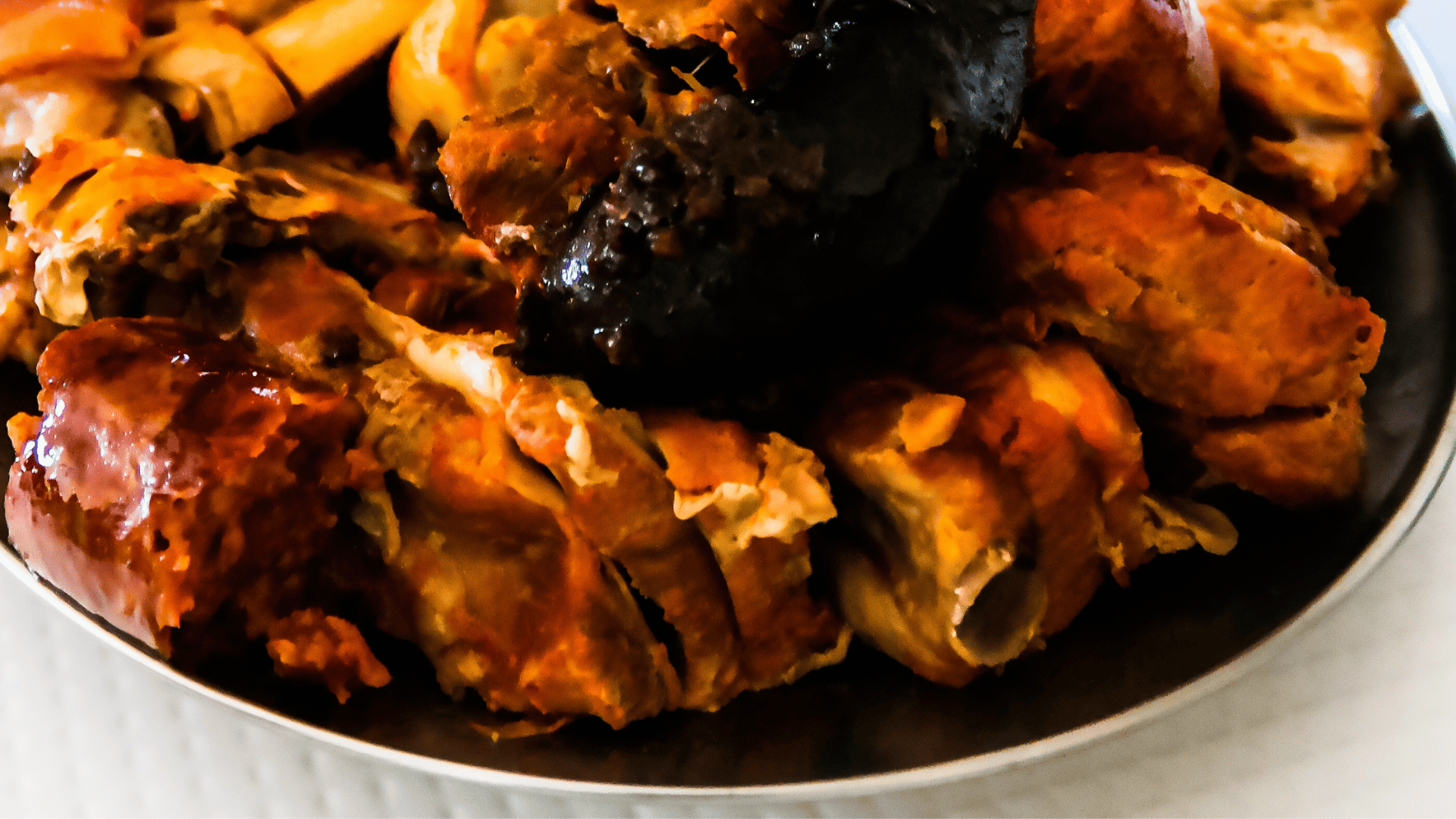
Cozido das Furnas is a traditional stew prepared by burying a pot in the ground on São Miguel Island in the Azores. The pot, layered with meats and root vegetables, is placed in geothermal fumaroles within volcanic soil. The steam generated by volcanic heat slowly cooks the stew underground for at least five hours, making it an energy-efficient way to prepare a meal.
New Zealand
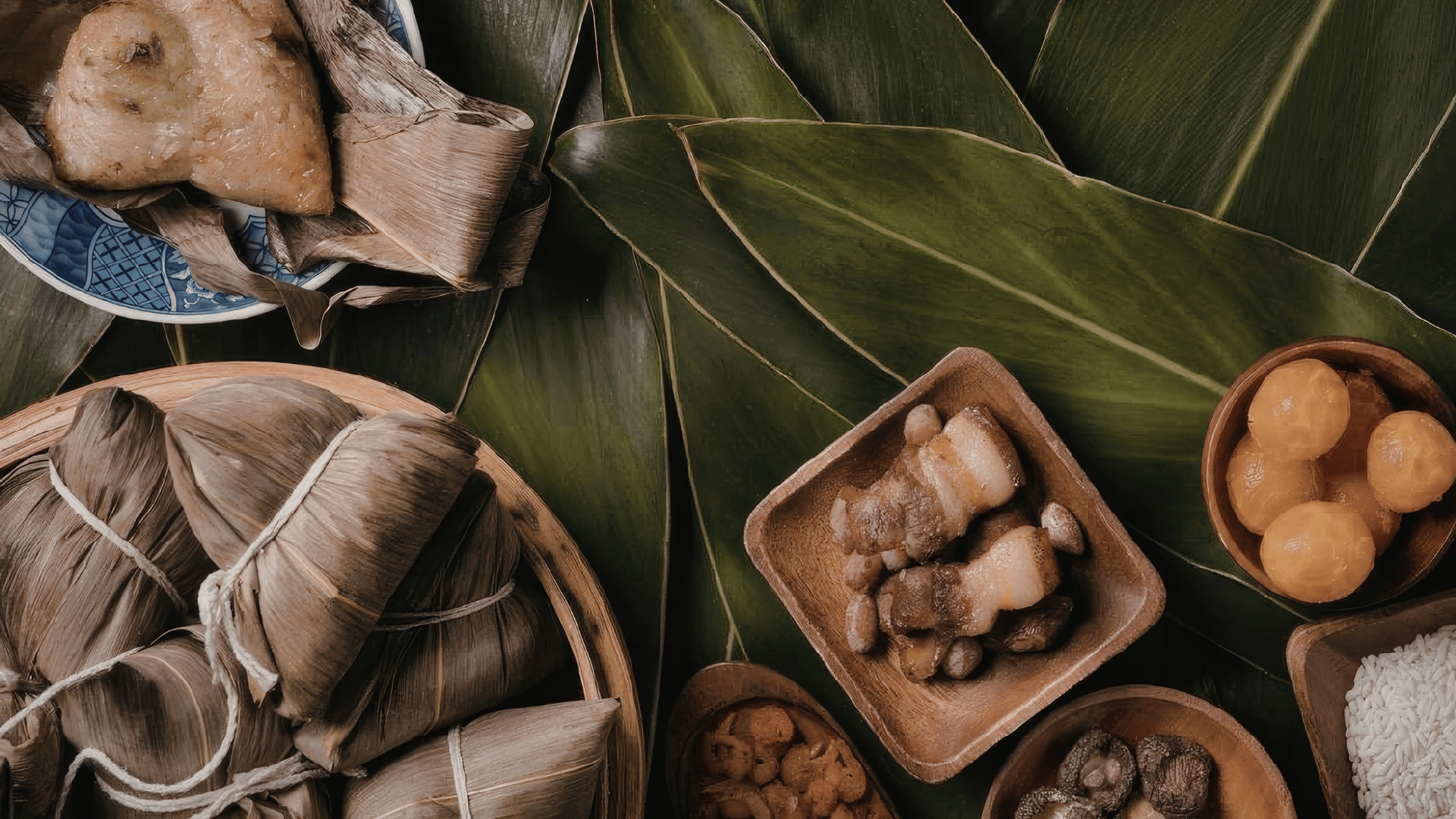
The Māori prepare Hāngī in a pit dug into the earth. Volcanic rocks heated in the pit are then used to cook fish, poultry, and vegetables, which are wrapped in leaves and placed inside. The pit is covered with soil to trap steam, allowing the meal to slow-cook for hours. This technique is commonly used for celebrations.

Morocco
The nomadic Tuareg peoples bake bread in the Sahara Desert. Taguella is a sand-baked bread made from semolina or millet, mixed with water and salt to form an unleavened dough. It’s hand-kneaded for up to 20 minutes, then formed into a large flatbread, before it’s placed in a hole in the sand, which is then filled with hot coals and sand. After a few minutes, the bread is flipped to cook on the other side.
Hawai’i
Native Hawaiians use an underground oven called an imu lined with banana leaves and heated basalt stones used for cooking. Kalua pork is a dish served at a lu’au of an entire pig baked in a sand- or dirt-covered pit for several hours. The imu is also used for fish and taro.
India
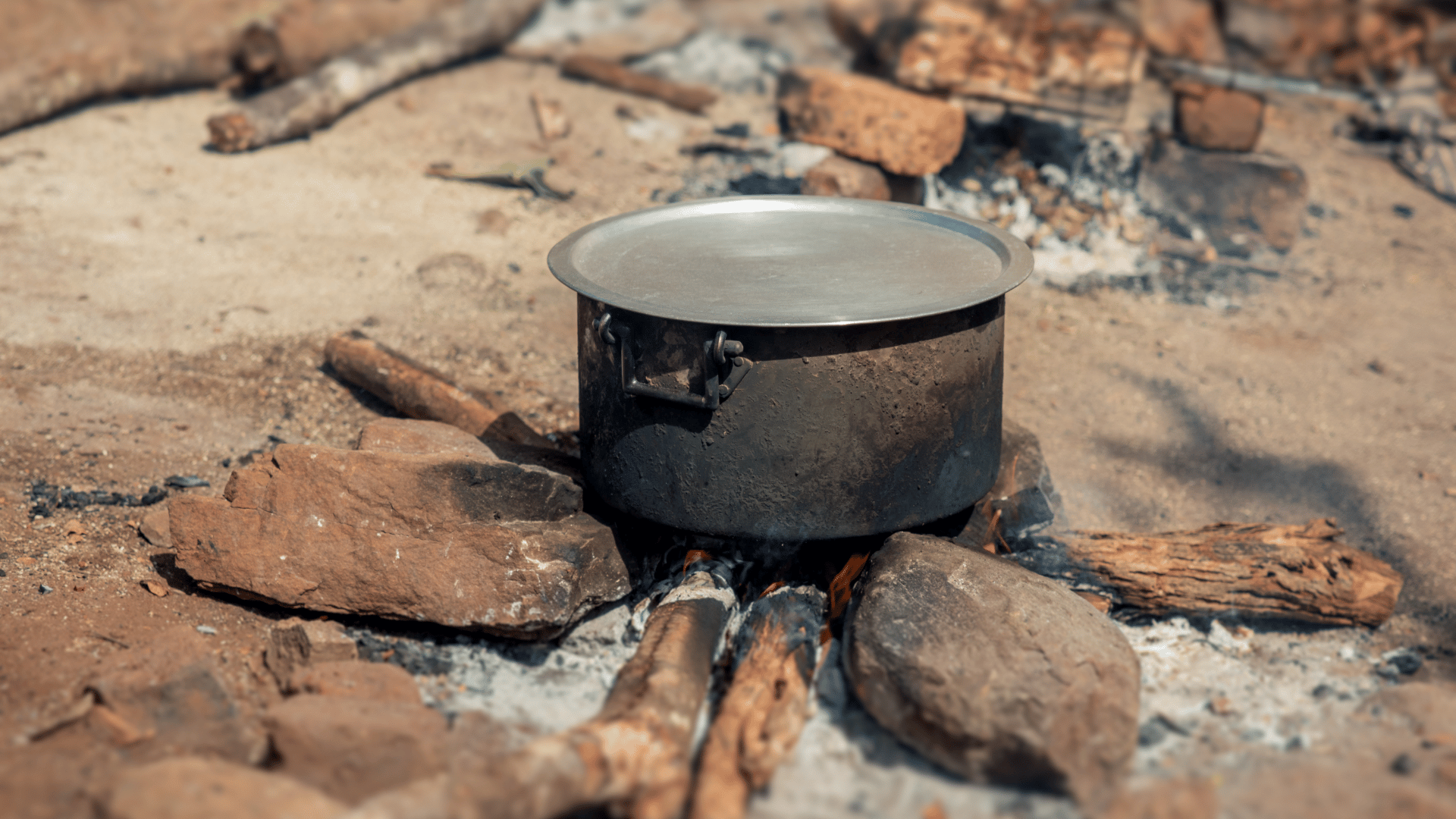
Ubadiyu is a Gujarati dish cooked underground as a traditional winter delicacy. Seasonal vegetables such as sweet potatoes, potatoes, purple yams, eggplants, and beans are coated in a spicy peanut masala mixture, placed in an earthen pot, sealed, and buried upside down in the ground. It’s covered with wet clay and dried leaves to retain heat during the slow-cooking process.