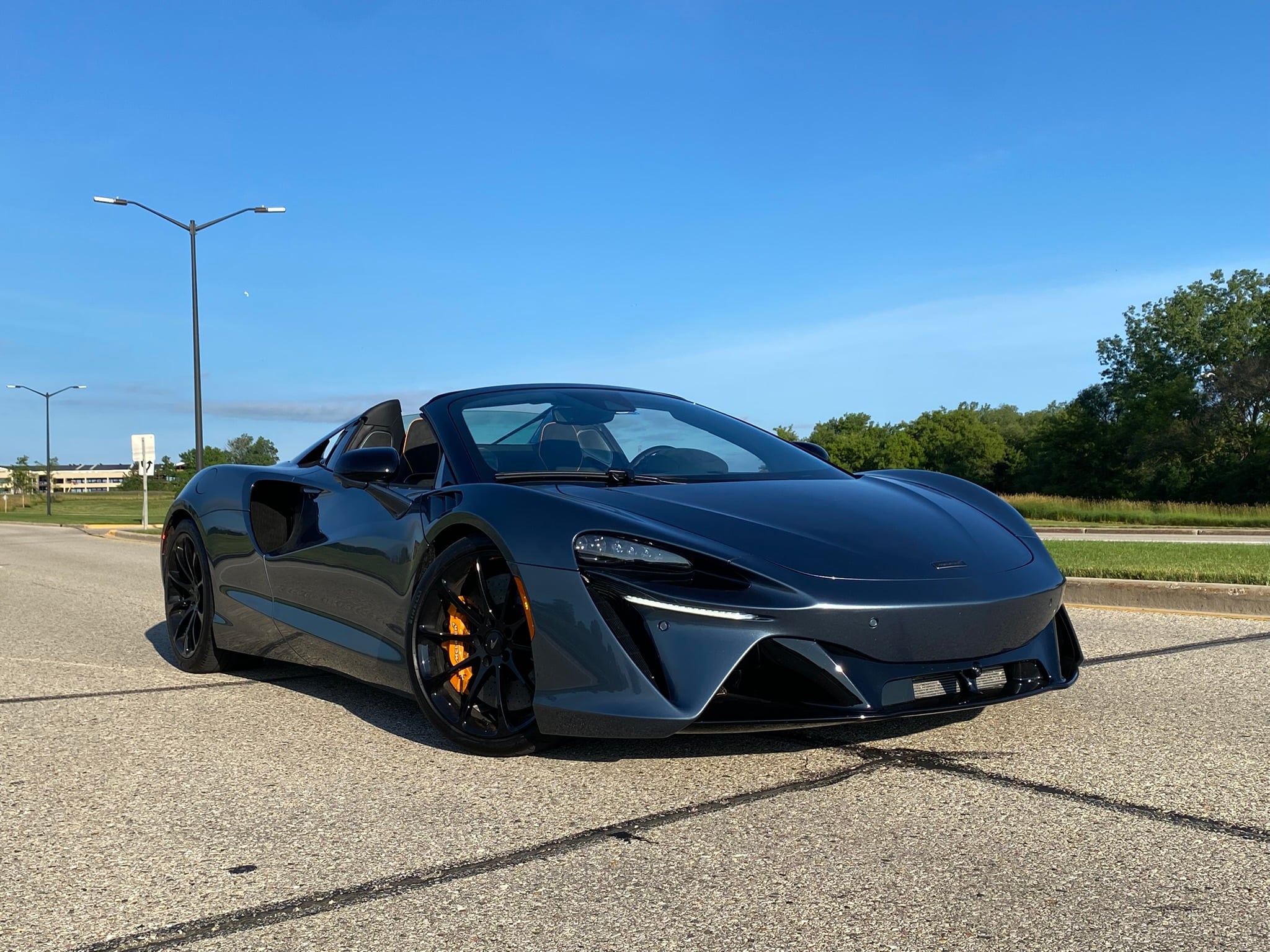
When McLaren unveiled the coupe version of the Artura, it marked a watershed moment: the British exotic brand’s first plug-in hybrid, built on an all-new platform. Now, the Spider takes that same foundation and adds the freedom of open-air driving, without diluting McLaren’s obsessive performance ethos. The result is something rare. A convertible supercar that feels as sharp as its coupe sibling, while adding a layer of drama only a folding roof can provide. I had the opportunity to drive one for a few days, and these are my full impressions of a car whose performance easily matches its sublime aesthetics.
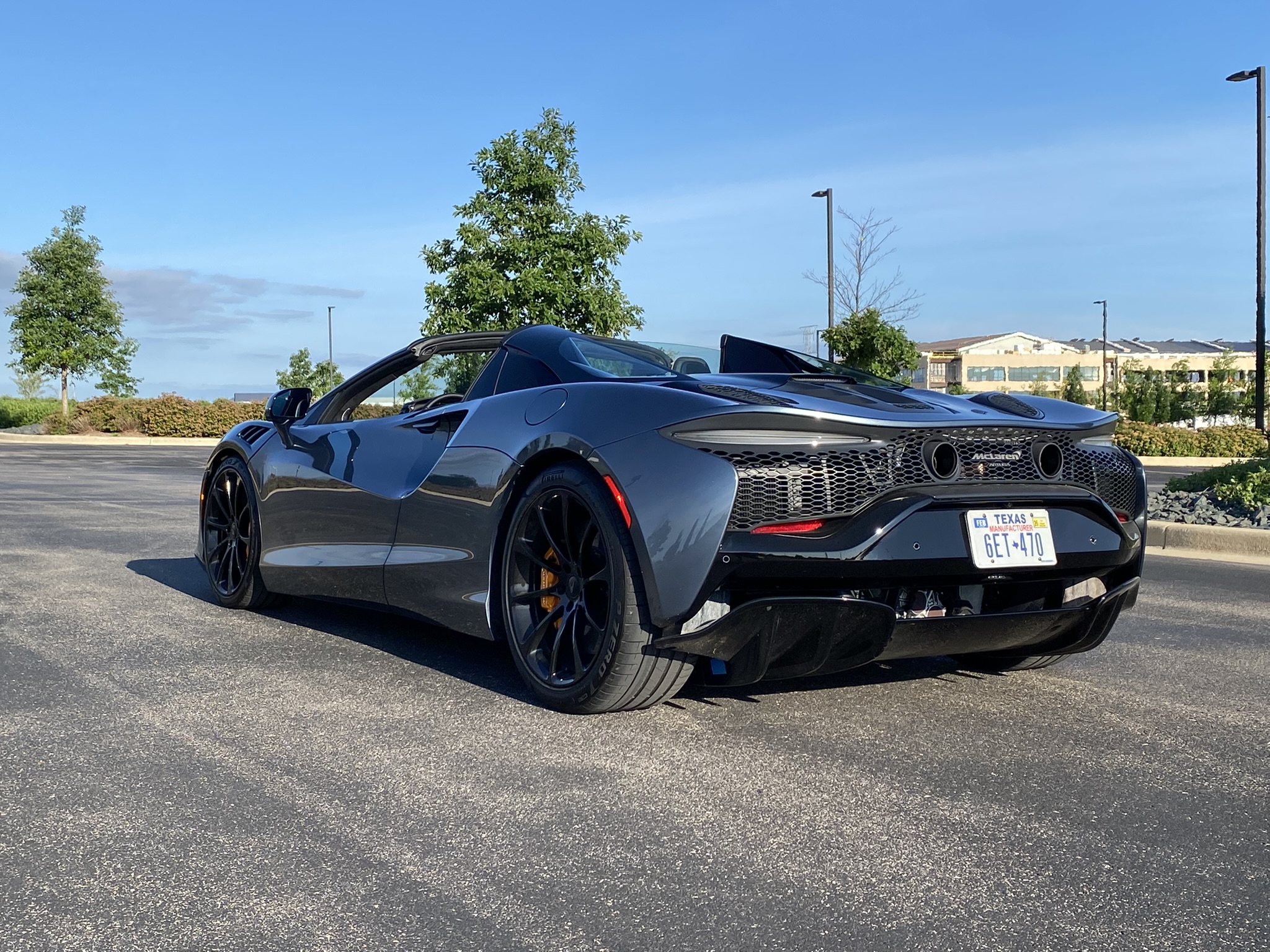
Photo by Amos Kwon
Artura Spider Styling and Presence
Before you even fire up the Artura Spider’s hybrid powertrain, the car commands attention. Granted, it’s not as visually arresting as a Lamborghini Huracán Sterrato or as beautiful as an Aston Martin Vanquish, the McLaren Artura Spider falls somewhere in between. The car’s clean surfaces, swoopy body lines, and deep cutouts along the doors carve airflow like sculpture. It is perhaps the car’s twin cowls and sinewy tail section that we beheld the most. The twin exhaust ports emerging out the huge mesh panel notify everyone audibly and visually that this is no EV.
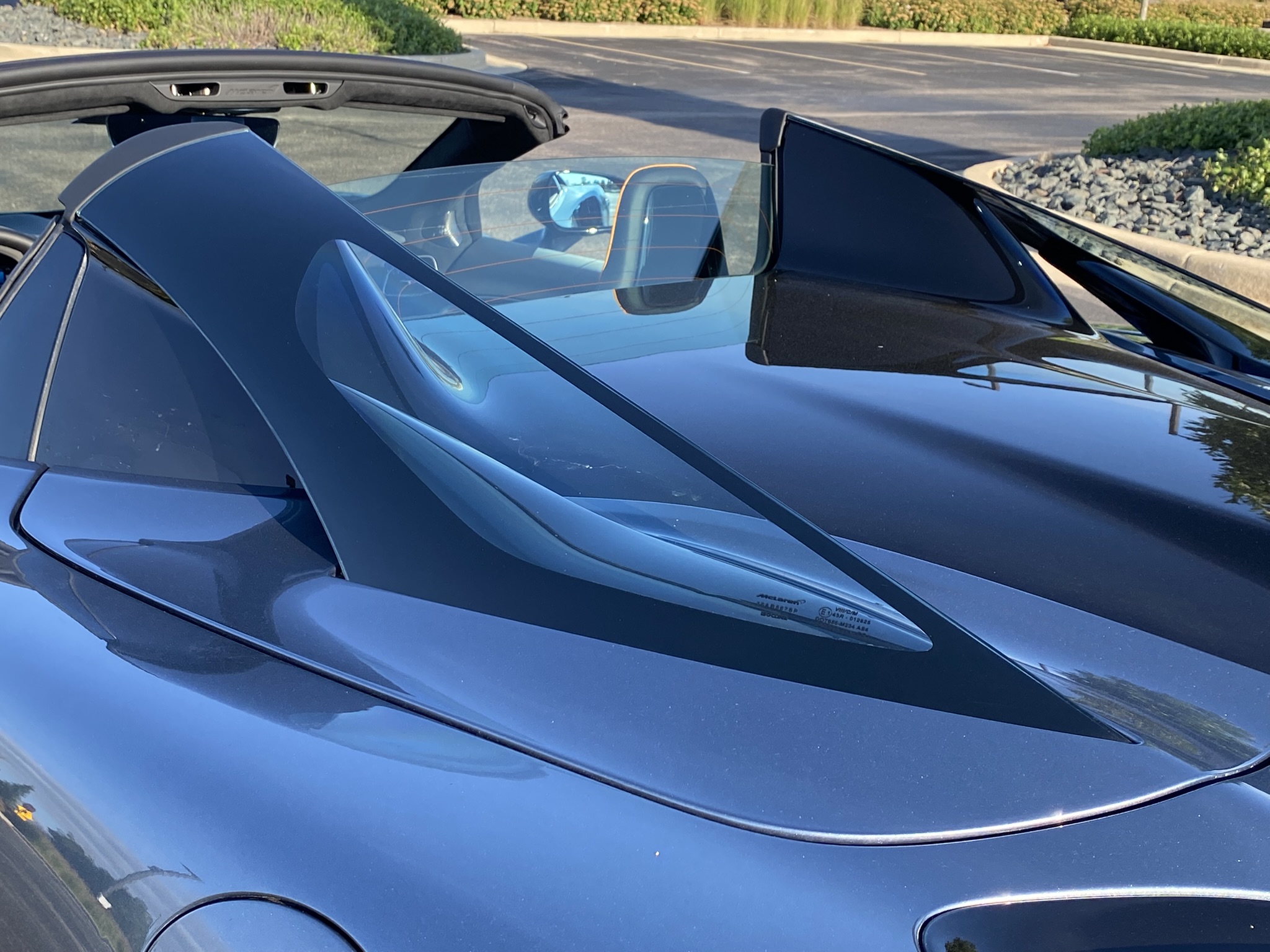
Photo by Amos Kwon
In Spider form, the retractable hardtop folds away in just 11 seconds at speeds up to 31 mph. Roof up, the silhouette is nearly identical to the coupe, with only a subtle crease betraying the balletic mechanism. Roof down, the car transforms, its rear buttresses rising just above the occupants heads. The buttresses might as well be spotlights for those who want to see just who’s inside. The proportions remain balanced, with no ungainly bulges or awkward lines that often plague convertibles. It’s nice to have the car in grey, but even this more subdued coloring barely mutes Artura Spider’s angry stance.
Active flaps at the rear manage downforce, while huge air intakes feed both combustion and cooling systems. The Spider’s optional carbon fiber accents in the form of a splitter, diffuser, and side skirts, add menace while shaving weight. The black diamond-cut forged wheels contribute to the car’s sporty character and hide some of the biggest brake discs we’ve ever seen. The bright McLaren orange calipers provide just the right amount of contrast.
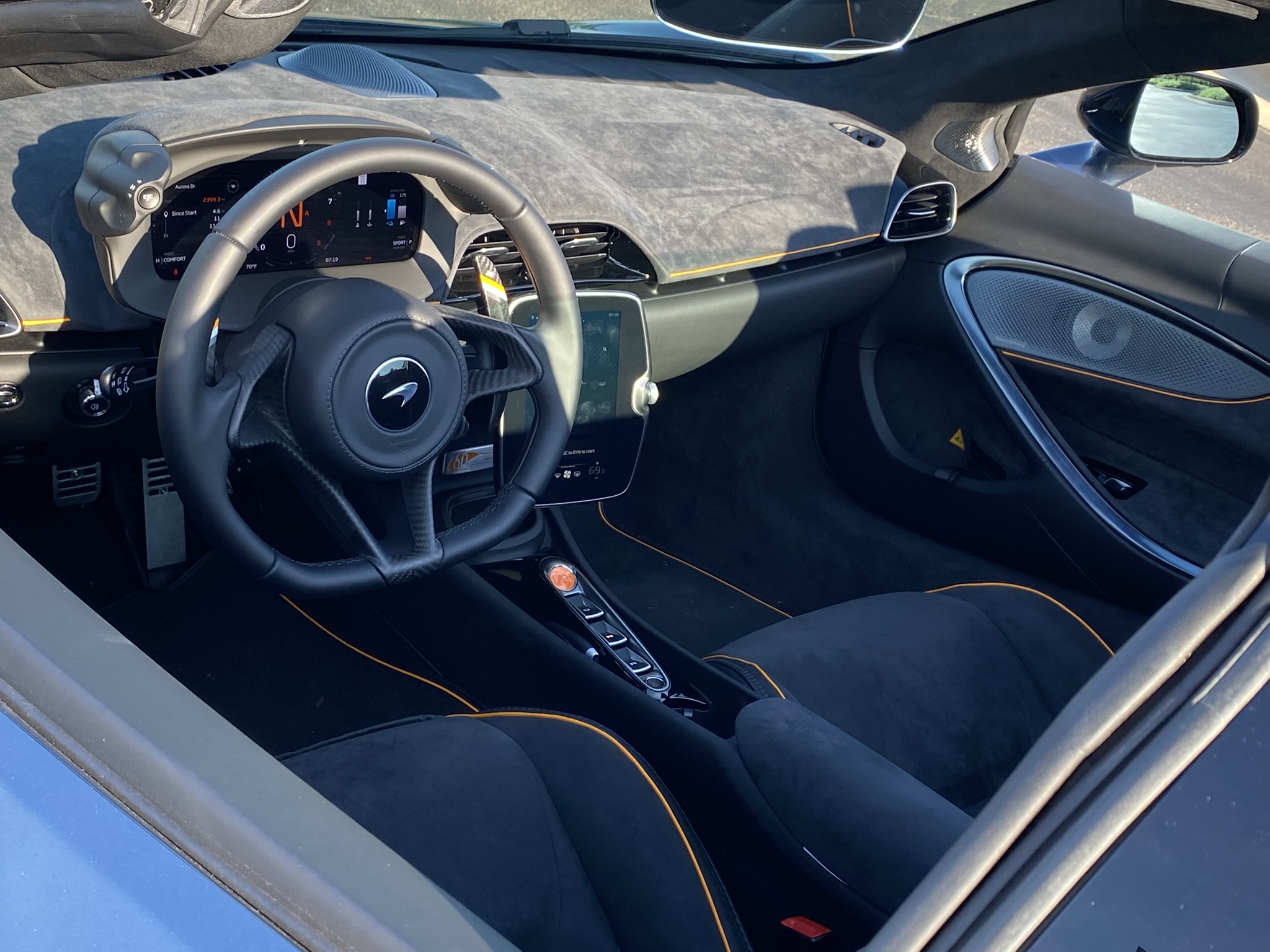
Photo by Amos Kwon
Cabin and Technology
Step inside, and the Artura Spider feels far more welcoming than McLaren cabins of old. Gone is the austerity that once made McLaren interiors feel like afterthoughts compared to Ferrari’s or Aston Martin’s. Instead, the cockpit delivers both driver focus and genuine comfort. Huge swaths of grey Alcantara suede abound, and matte carbon fiber touches look and feel just right here. Orange accents for the seats, door cards, dash, and floor mats look great, as do the McLaren orange seatbelts.
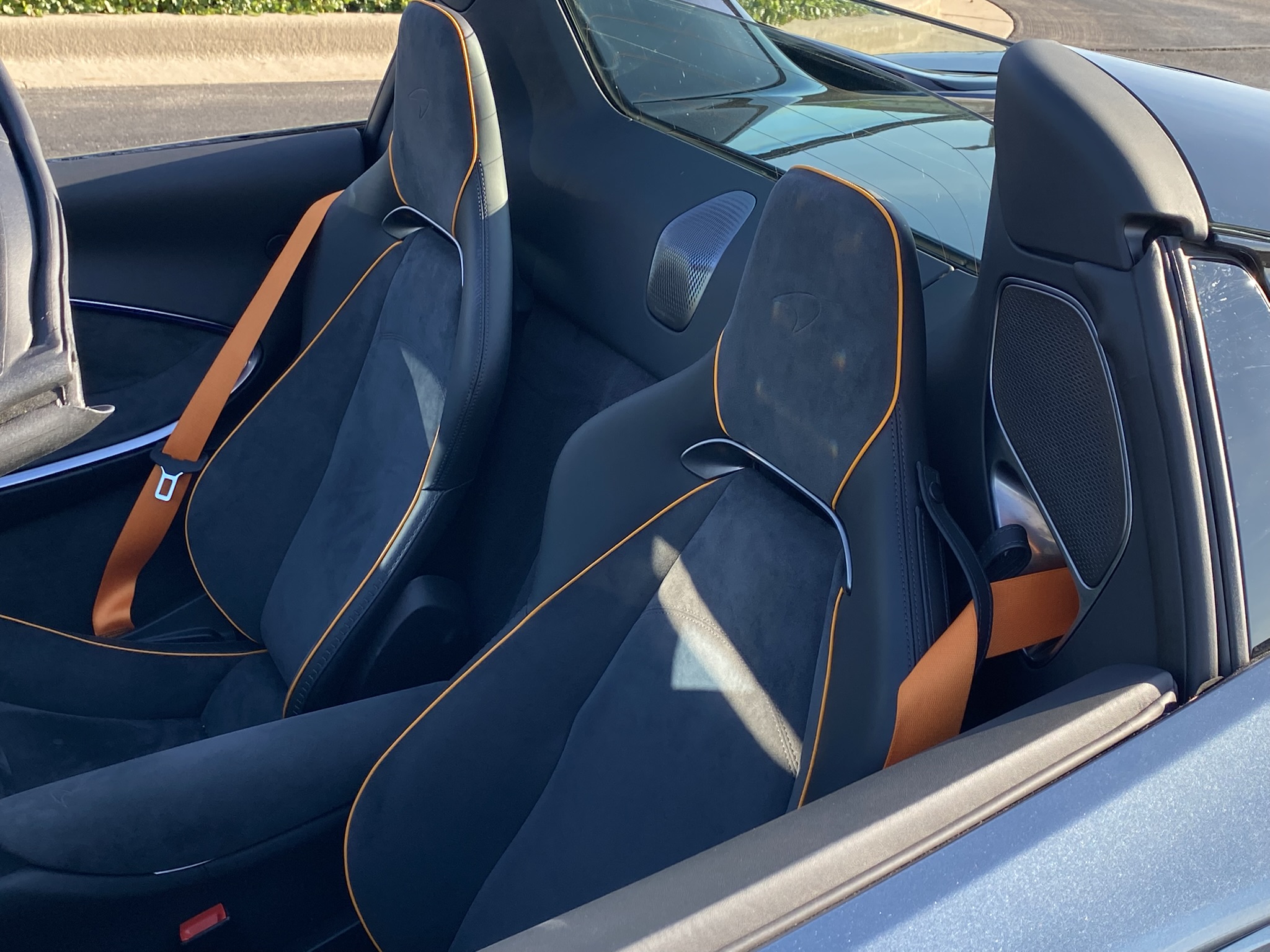
Photo by Amos Kwon
Even the standard Clubsport seats provide the right level of comfort balanced with excellent support to hold you firmly in place during aggressive cornering. The seating position is just right with untrammeled visibility over the sloping front end, thanks to thin A-pillars and large side glass. With the roof down, the sense of openness at any speed feels worth the $24k price delta between the Spider and the Coupe.
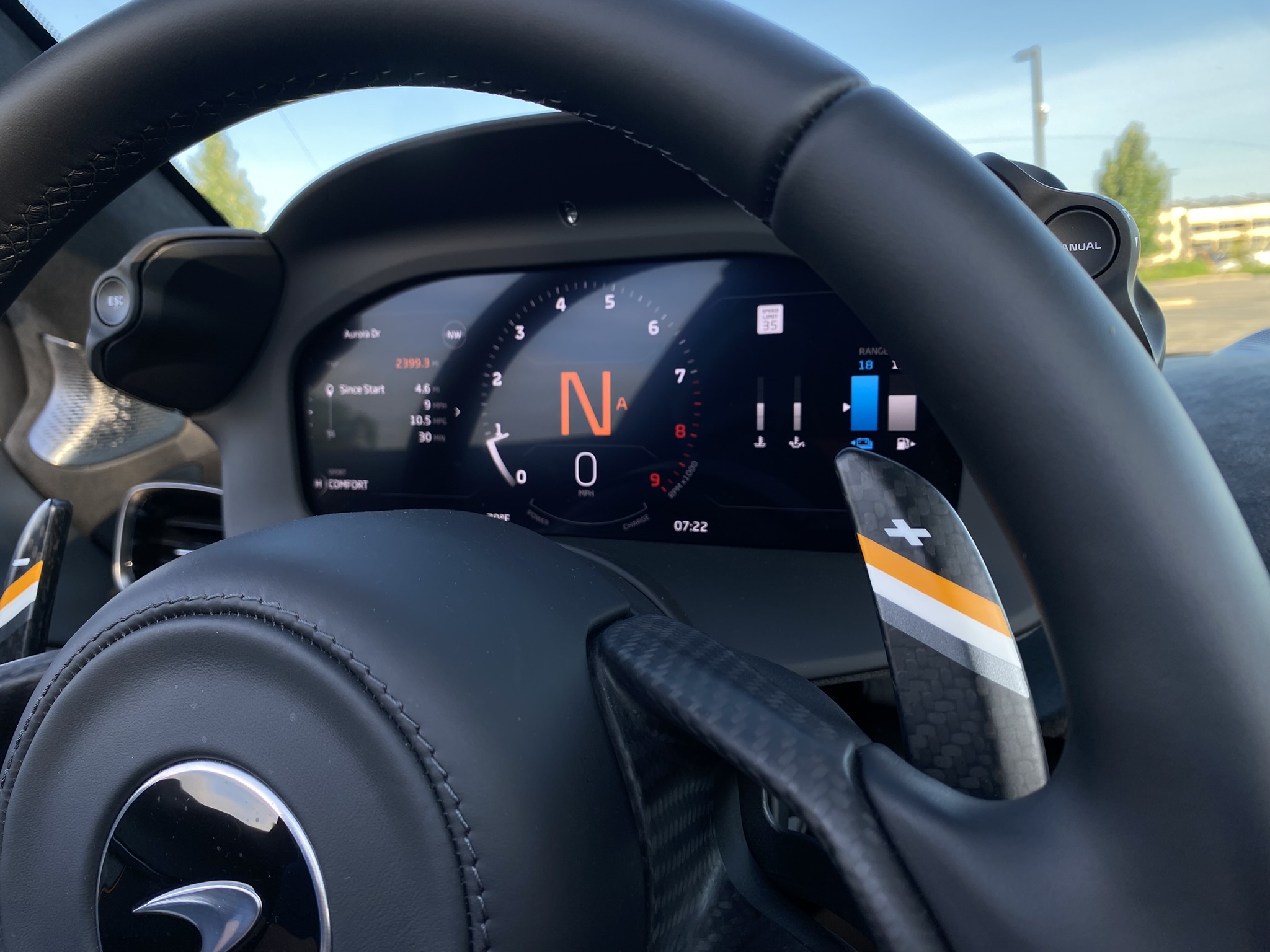
Photo by Amos Kwon
The crisp digital instrument cluster throws driving data in clear and colorful fashion, visible through the perfectly sized carbon fiber steering wheel. On the cluster frame sit two large rocker switches for drive modes. Once you get used to them, they work just fine. Placement on the center console near the gear selector buttons would’ve been more intuitive, but space is a commodity in here.
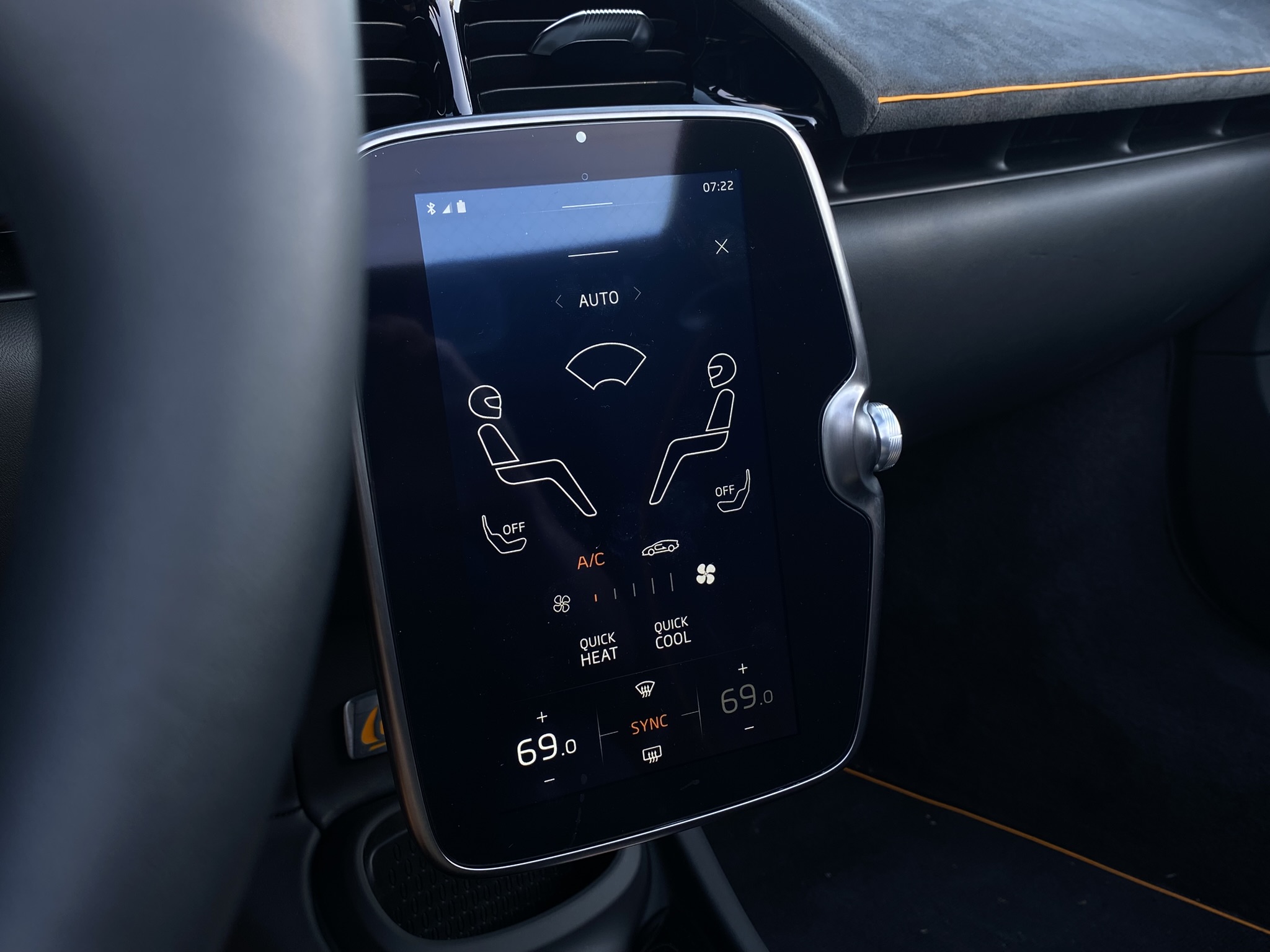
Photo by Amos Kwon
A vertically oriented 8-inch infotainment display runs McLaren’s new MIS II system. Unlike the clunky software of earlier McLarens, this version is noticeably better and finally supports both Apple CarPlay and Android Auto. While it works well, the infotainment tablet juts out rather than being situated where a car’s center stack would normally be. Not only does it feel like an afterthought that replaces a missed design opportunity, the look of the frame and the placement scream Temu, all wrong for a car of this caliber. Even the version in the less expensive McLaren GTS looks better, nicely integrated just below the car’s center vents.
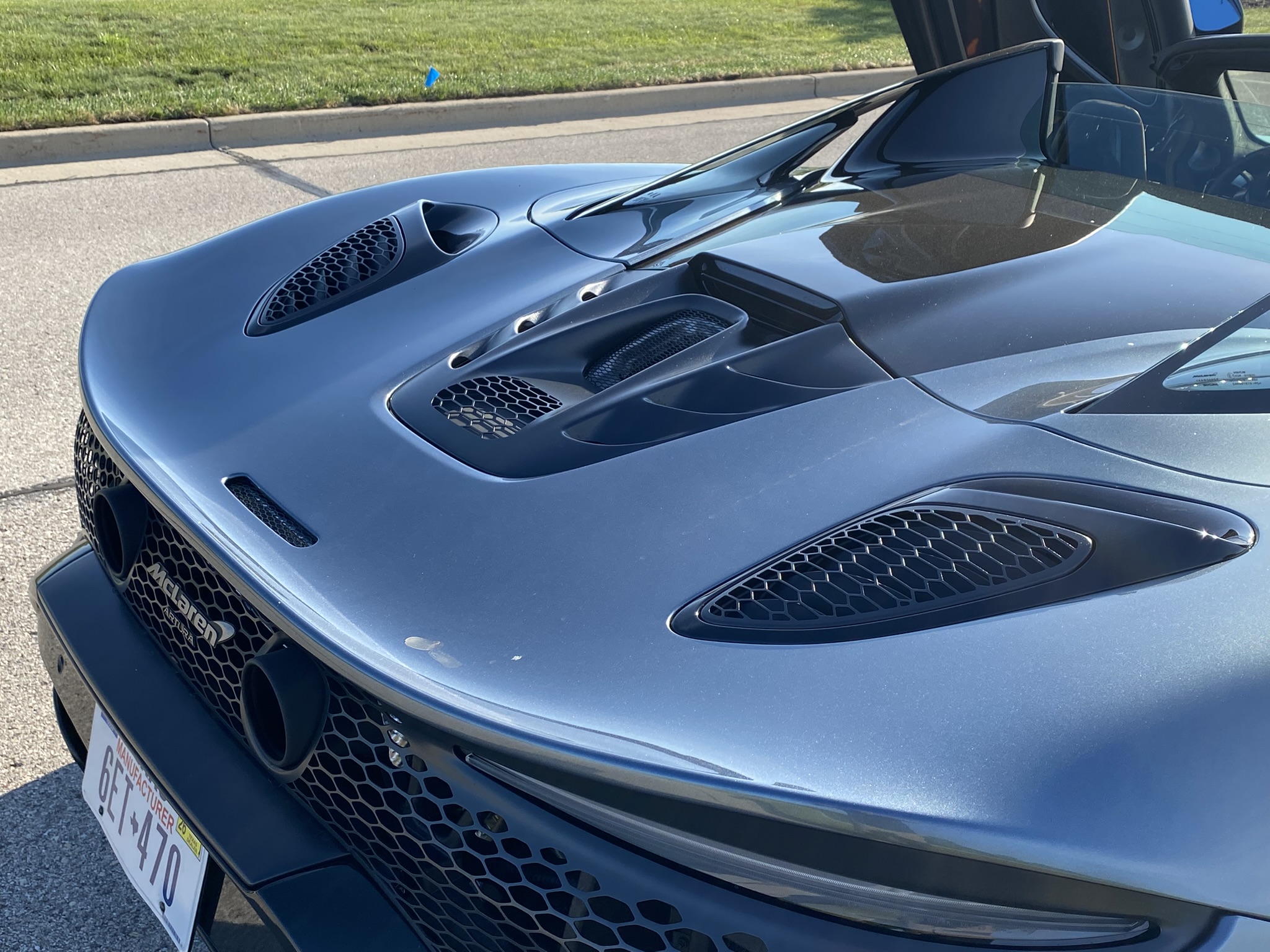
Photo by Amos Kwon
The Hybrid Powertrain
At its core, the Artura Spider shares its DNA with the coupe. The powertrain consists of a 3.0-liter twin-turbocharged V6 paired with an electric motor, for a combined 690 horsepower and 531 lb-ft of torque. Shifting duties are managed by an 8-speed dual-clutch transmission that houses the electric motor within, keeping packaging compact and weight down. Reverse gear is electric only, rather than mechanical (thereby lightening the powertrain), which means if the battery runs out of juice, you can’t back up. As much as that sounds annoying, just dial the drive mode into “Track” and it will charge the battery as you drive. Problem solved, unless you just forget.
The Spider weighs just 3,439 pounds, 136 pounds more than the coupe, thanks to McLaren’s carbon-fiber monocoque, preserving the brand’s lightweight-first philosophy. Performance numbers are astounding: 0–60 mph in 3.0 seconds, 0–124 mph in 8.4 seconds, and a top speed of 205 mph with the roof up or down. The electric motor adds instant torque fill, eliminating turbo lag and providing seamless thrust. In EV-only mode, the Spider can saunter silently through city streets, just make sure to raise the nose when meeting even the slightest of inclines. Once you queue up the V6, the soundtrack takes over: sharper, higher-pitched than McLaren’s old V8s, yet still rich with character. It’s divine to listen to with just the right amounts of rasp and growl.
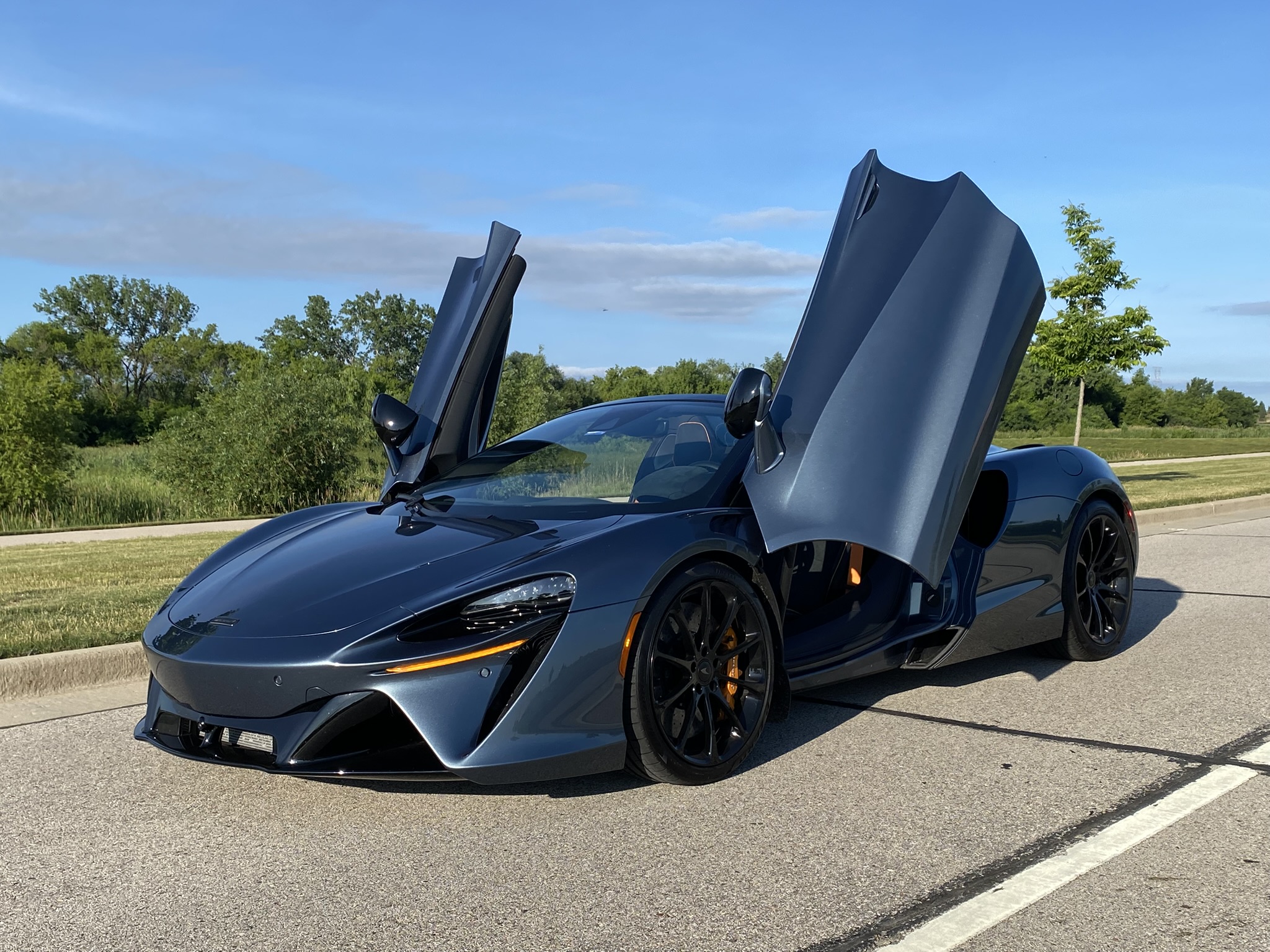
Photo by Amos Kwon
Driving Dynamics
The Artura Spider is better than we imagined it would be. Granted, we accept that almost no supercars are manual transmission anymore. Flappy paddles aren’t our thing, but this car is so good to helm that we forgive it. The electro-hydraulic steering system is sublime and it delivers clarity and heft that please. The car’s responses are tremendously good, and you feel connected to the road via the steering, brakes, chassis, and transmission. The Artura Spider pulls hard and downshifts are rapid. Employing the carbon fiber paddle shifters isn’t the same as roping a manual, but the response time is immensely good.
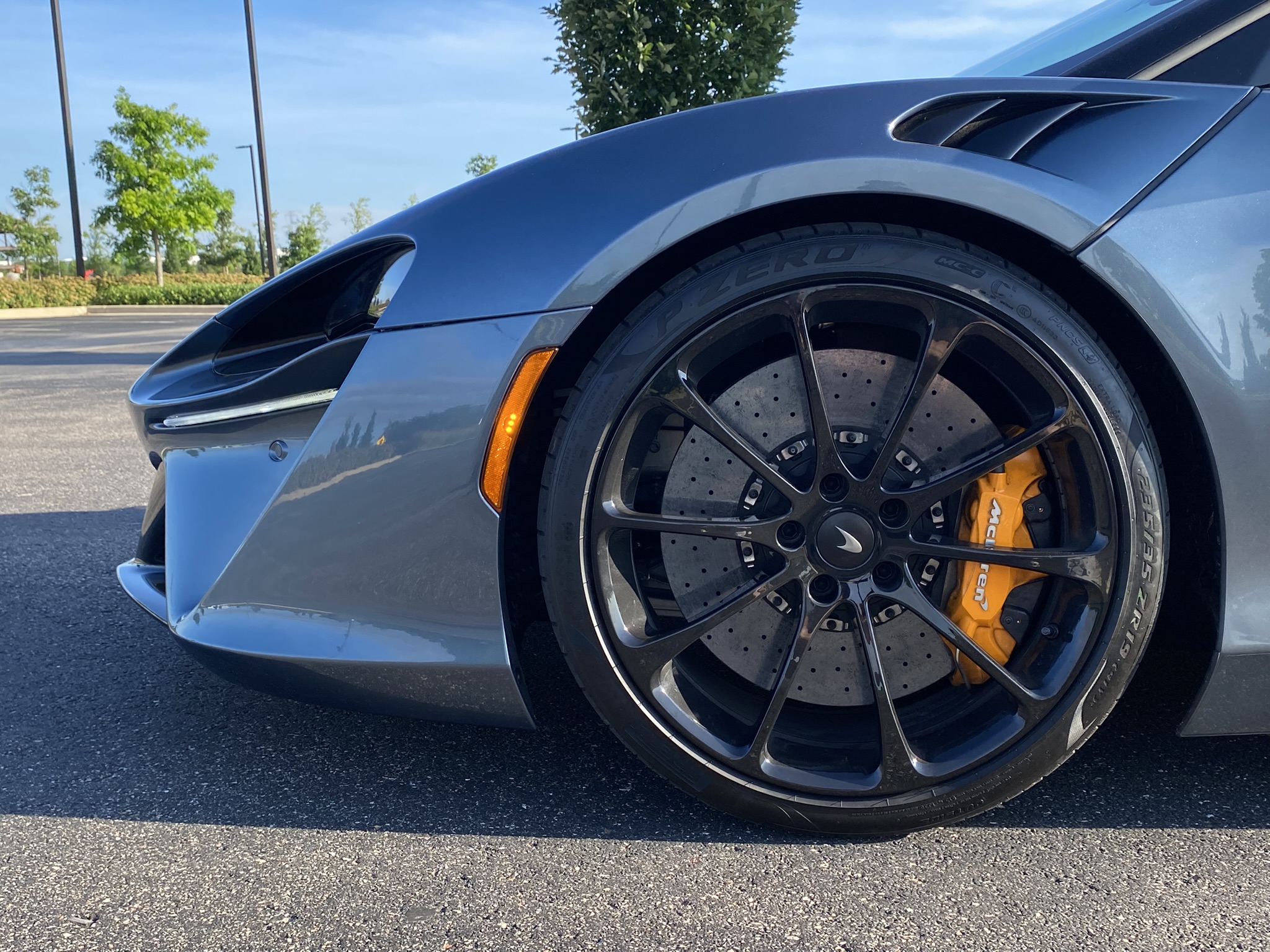
Photo by Amos Kwon
Adaptive dampers work wonders. In Comfort mode, the Spider soaks up highway miles without punishment. Cruising at 85 mph feels effortless. Flick into Sport or Track, and the suspension stiffens, the gearbox sharpens, and the car feels ready to hunker down and obliterate anything else on the road. Threading the needle on the freeway is an utter delight, bolstered by the aural delights from the engine behind you. Body roll is virtually nonexistent, thanks to the low-mounted battery pack that lowers the center of gravity. With the taut steering and powerful and progressive brakes, every corner is an apex, every off ramp a chicane.
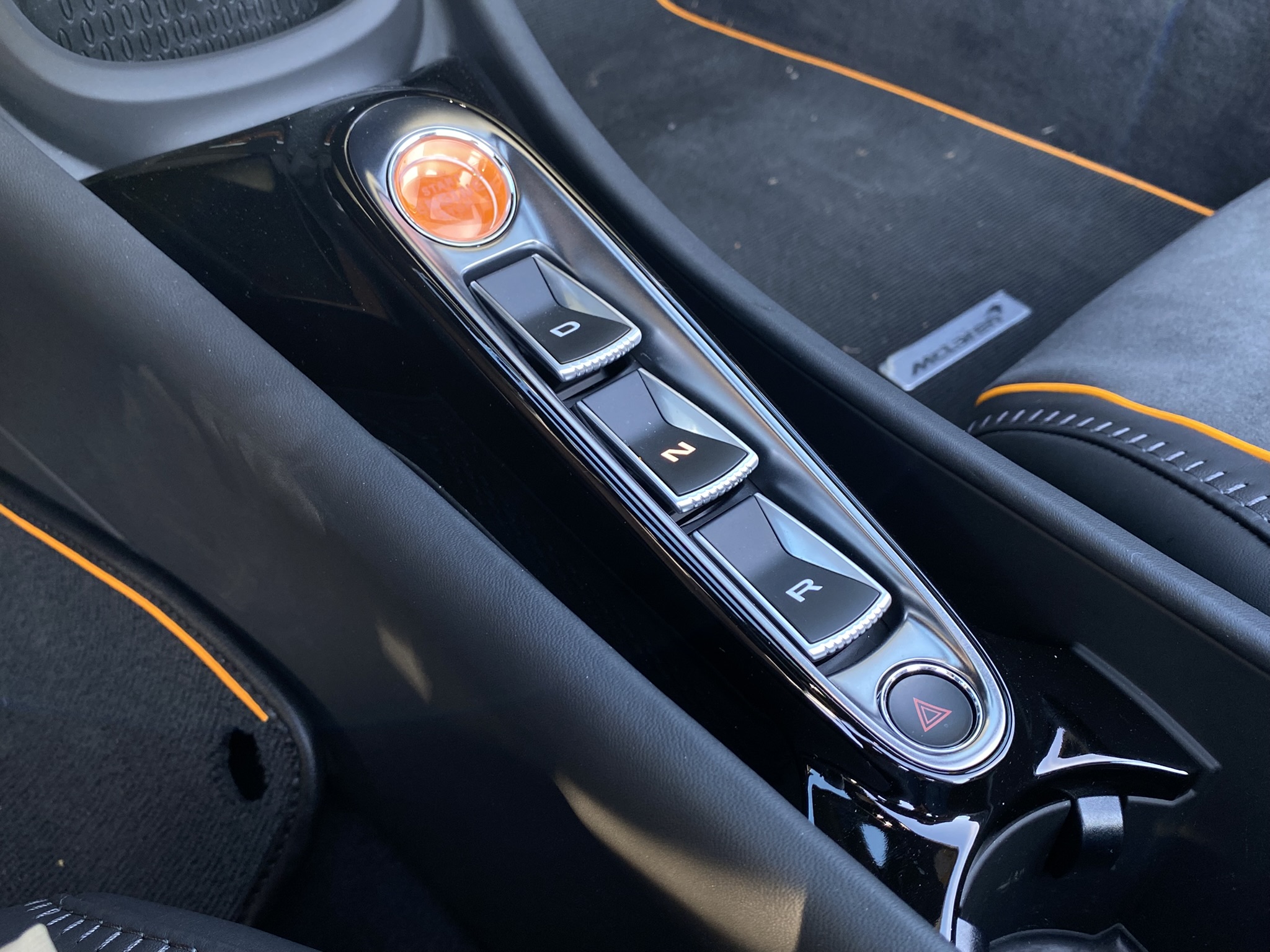
Photo by Amos Kwon
Roof down, the sensory overload is at 10/10ths. Air rushes past, the V6 wails behind your ears, and the crackle from the exhaust will make you giggle like a kid. Unlike some convertibles that lose rigidity, the Spider feels Gibraltar-like. McLaren claims no additional bracing was needed to provide this level of stiffness. The carbon tub does all the work, and you feel it. The result is a convertible that feels like a high performance hardtop. This is the one to get.
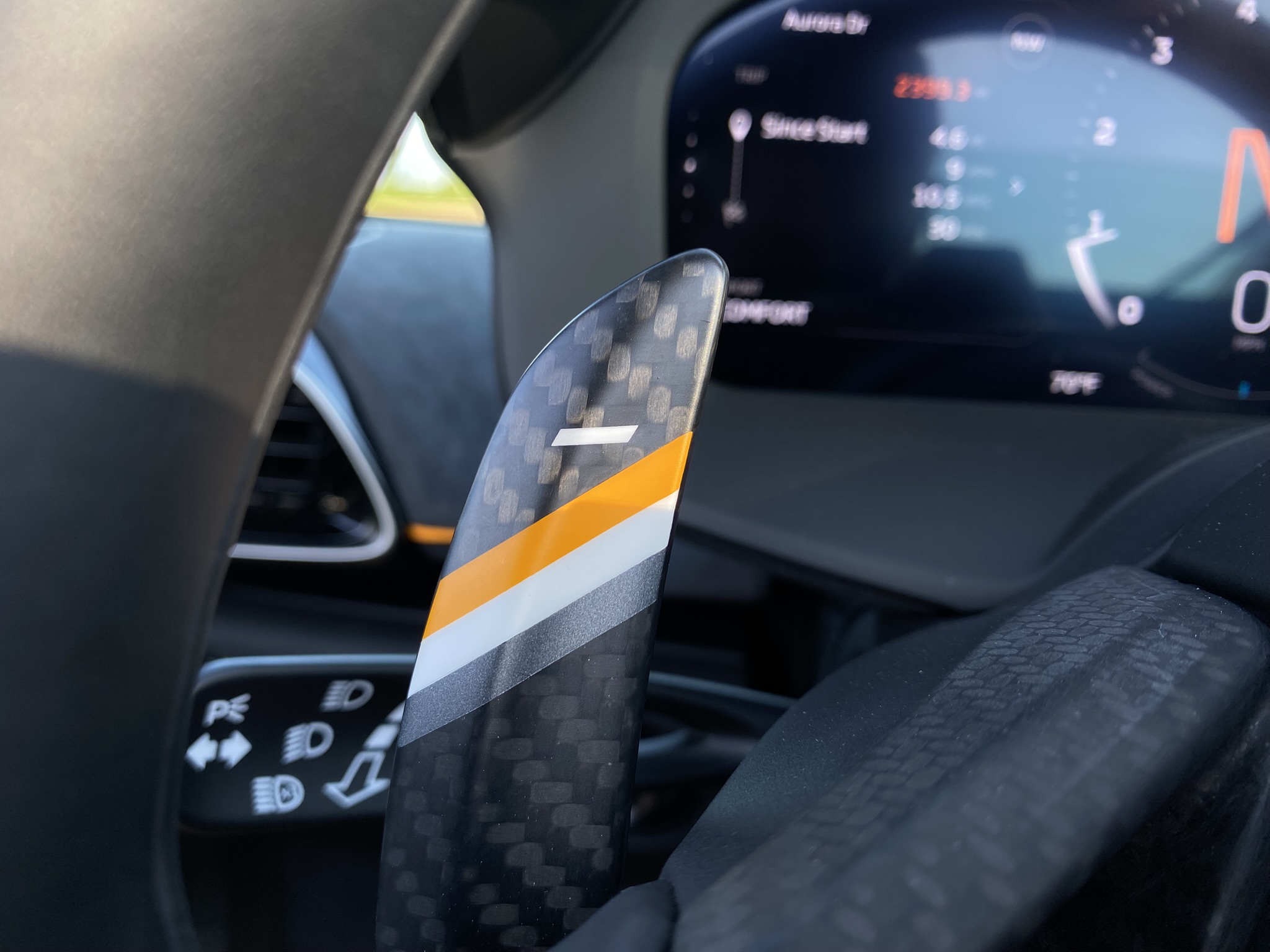
Photo by Amos Kwon
Efficiency and Ownership
Of course, no one buys a McLaren to hypermile, but the hybrid system brings surprising benefits. EV mode will net you about 18-21 miles based on McLaren’s estimates. The EPA estimates 11. We were able to hit 18 under conservative driving habits, tested for the sake of this review. The temptation to hammer it under the full beans is overwhelming, and we doubt EV mode will be used much at all. The 7.4-kW onboard charger replenishes the battery in about 2.5 hours, making overnight garage charging painless.
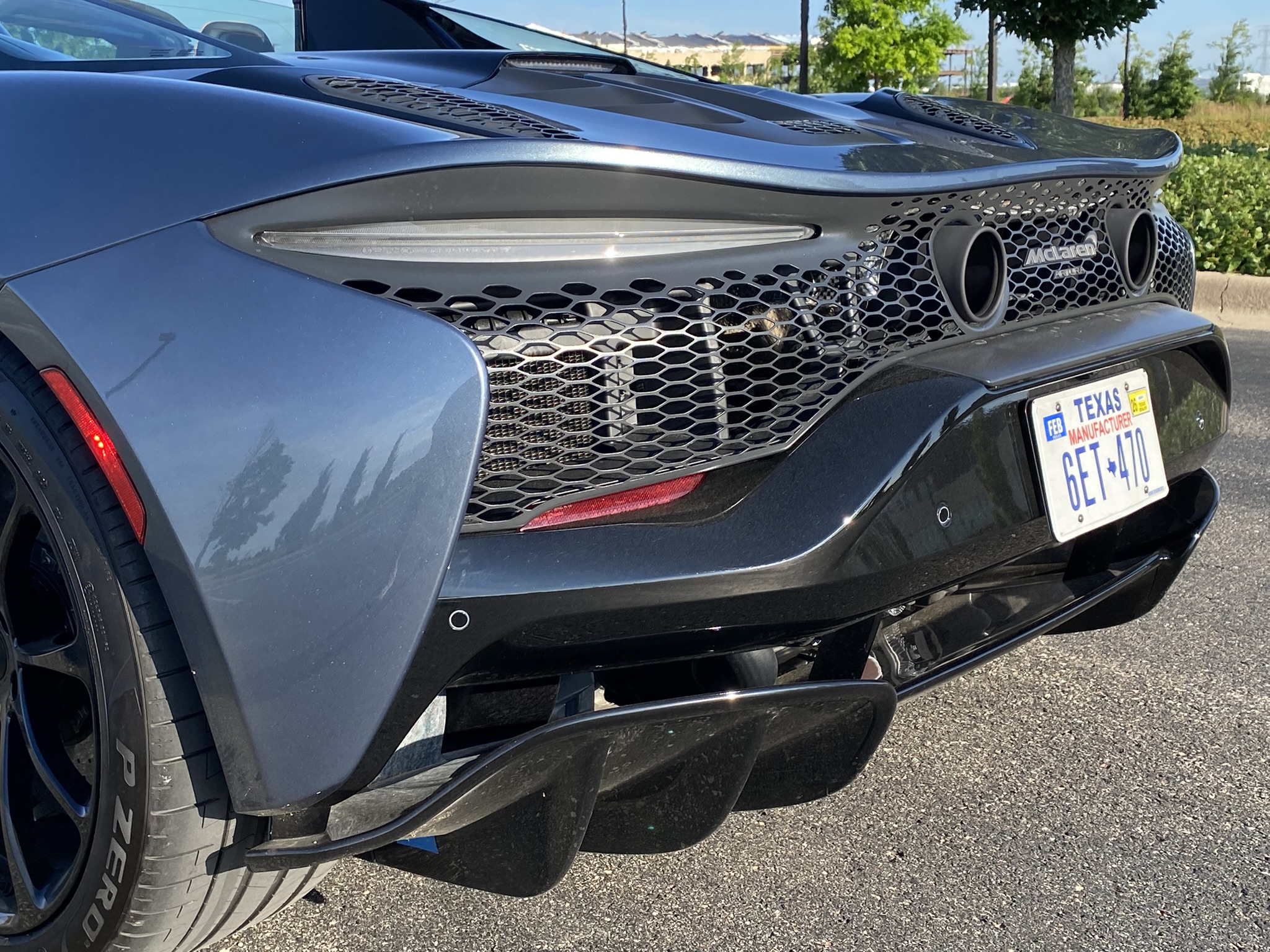
Photo by Amos Kwon
Pricing starts at $273,800, before options and personalization through McLaren’s MSO division. Our tester had options such as the gloss black 10-spoke forged alloy wheels ($4,150), Performance Spec ($9,400), and the Sport Exhaust ($5,100), just to name a few. The total price tag came to $332,348. That’s serious money, but also a relative value compared to the Ferrari 296 GTS ($345,000) or Lamborghini Revuelto (north of $600,000). While we wouldn’t call it a bargain, it pales in comparison to Italian fare.
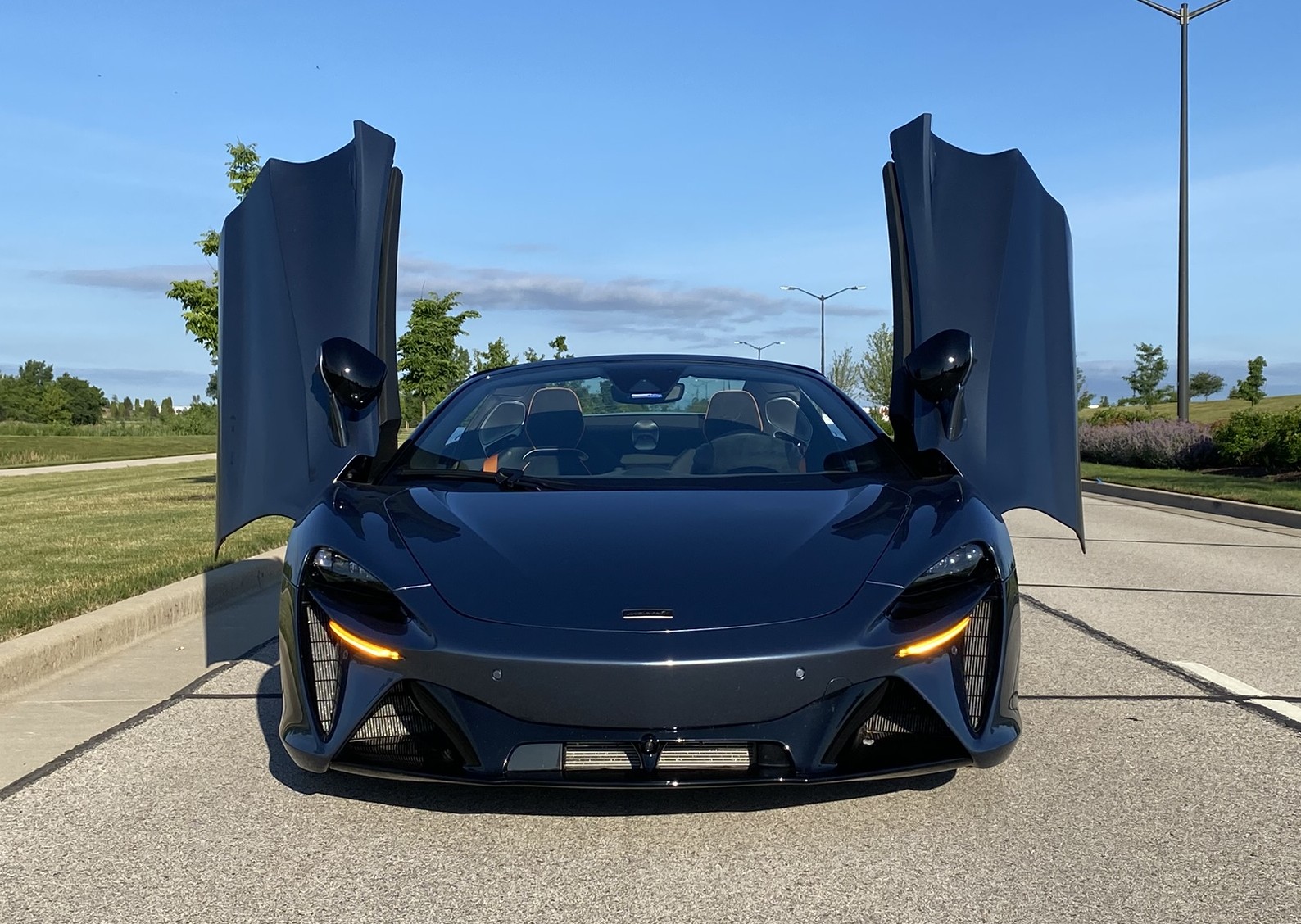
Photo by Amos Kwon
The Bottom Line
The 2025 McLaren Artura Spider is more than just a topless version of the coupe. It’s a droptop statement without compromise. McLaren made a supercar that just so happens to have a retractable hardtop, rather than the other way around. Is it perfect? Not entirely. The electric-only range isn’t great, the infotainment screen looks cheap, and reverse gear can causes stress. Yet none of that matters once the road opens up and the Spider delivers its unique blend of agility, speed, and open-air delights. McLaren keeps the focus on the driving experience, and the Artura Spider does not come anywhere close to disappointing.