Bourbon is having a bit of an identity crisis. That’s not necessarily a bad thing.
It’s a spirit built on tradition. There are rules about what can go into the barrel. Rules about the barrel itself. Family names that have been printed on labels for more than a century. Stories passed down about recipes, rickhouses, warehouses, and bottles you might someday be lucky enough to taste.
And yet, bourbon is changing. Those whispered-about bottles are now flipped on Facebook Marketplace for two, three, four times the price. What was once a fairly insular Kentucky tradition has become a global obsession.
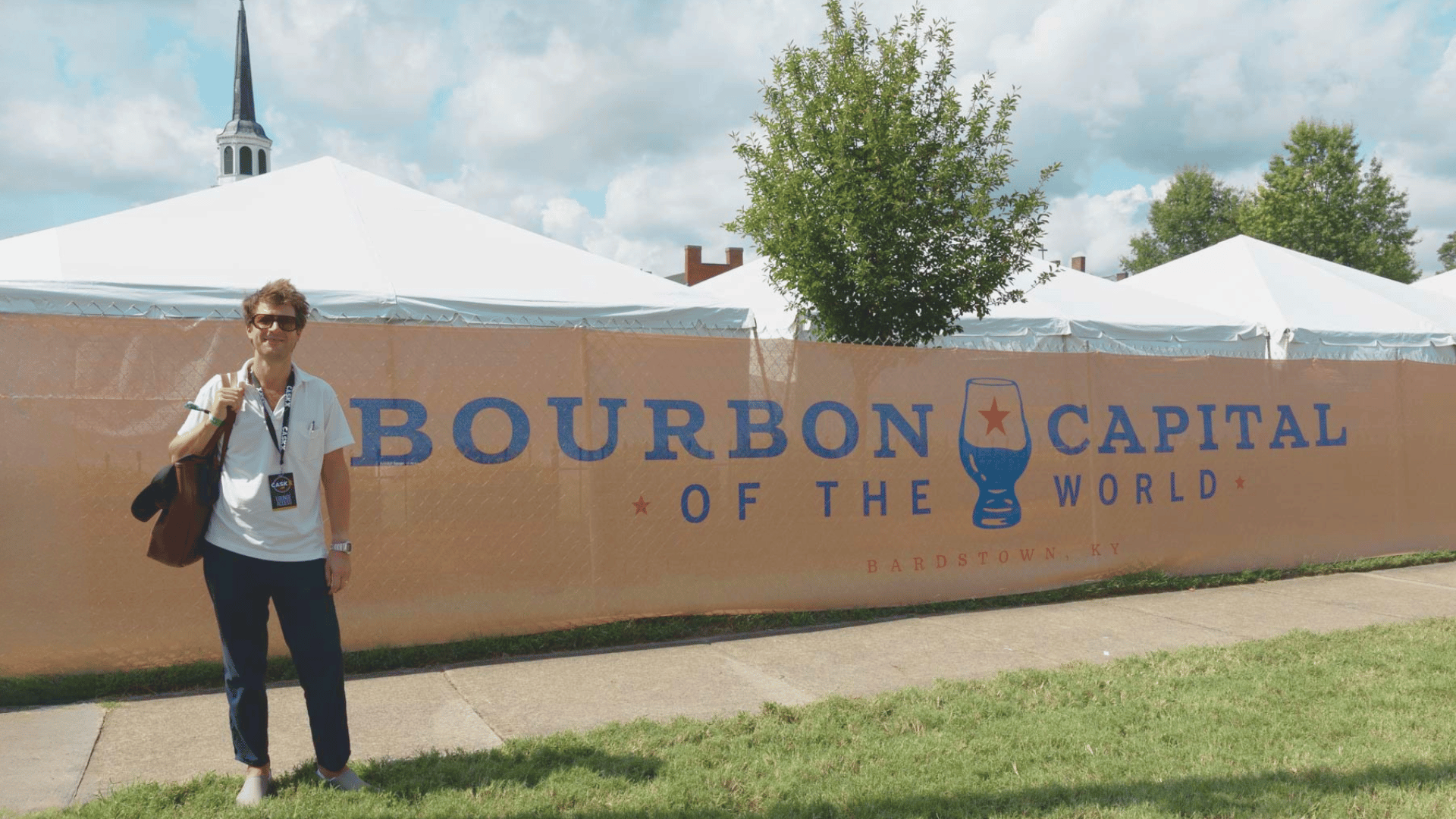
I was curious about that tension, the pull between past and future, as I traveled down to Bardstown, Kentucky, for the 35th Kentucky Bourbon Festival.
The festival began in 1991, as something closer to a glorified bourbon dinner with about 250 people gathering around tables to eat and drink. This year marked its fourth consecutive sellout, with more than 6,000 people coming to Bardstown for four days devoted almost entirely to brown liquid.
The bourbon world has gotten big. And the bourbon world still feels small.
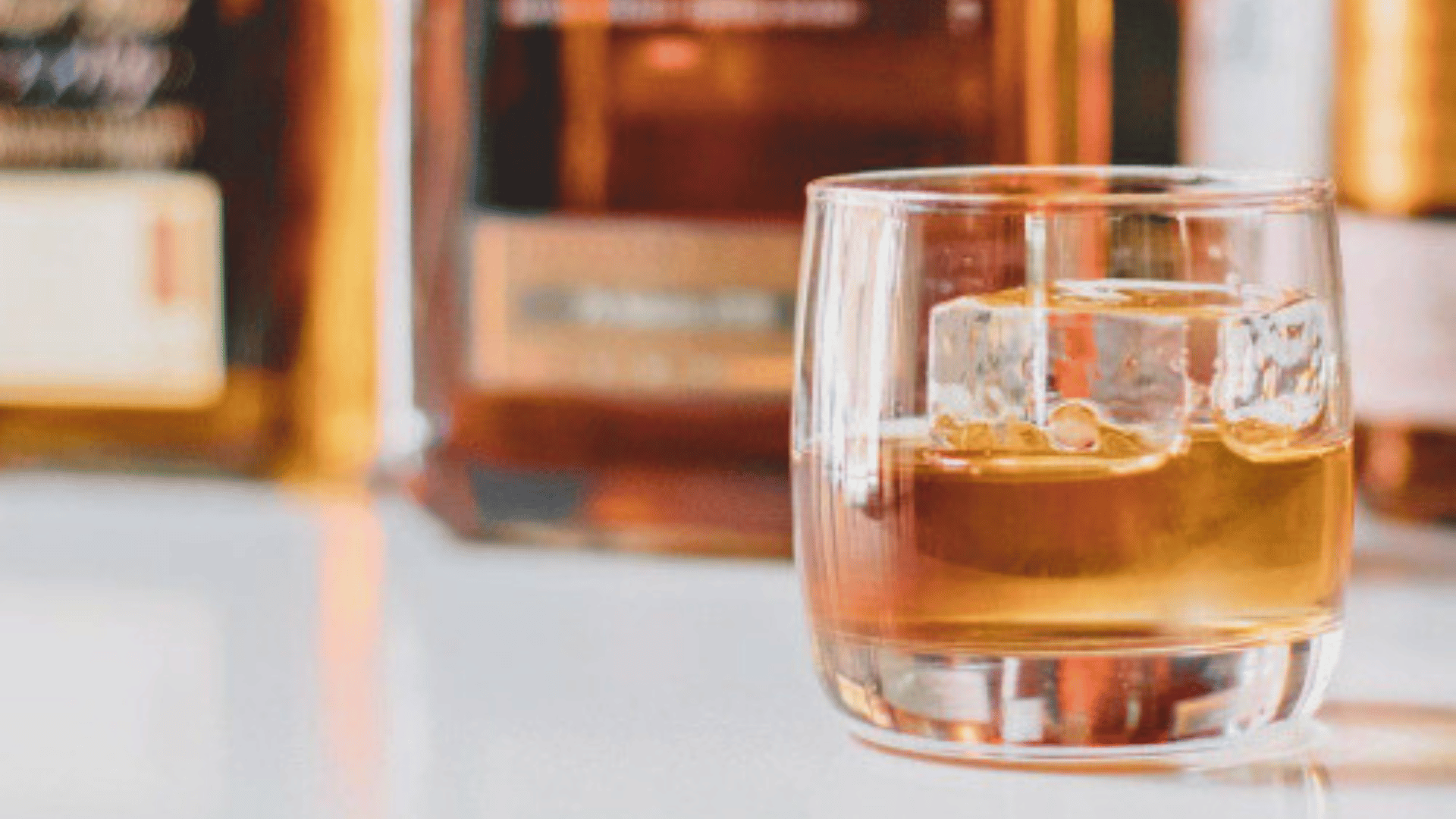
Photo via Proof on Main in 21c
THE HOTEL OWNER AT THE BAR
My wife and I stayed about 40 minutes north of the festival in Louisville at 21c Museum Hotel. The lobby doubles as an art museum, and the hotel is funky in all the right ways.
On our first evening, we ended up at the hotel bar, Proof on Main, sitting next to the guy who owns the place.
There was something strangely old-fashioned (no pun intended) about that. The owner of a hotel. Actually spending time in his hotel. Sitting at the bar. Imagine that.
It was a small moment, but one I kept thinking about the next day as I drove toward Bardstown.
Kentucky bourbon has become a global business. Bottles are hunted, collected, traded, resold. Distilleries have become travel destinations. Thousands of people now plan entire weekends around something that once required little more than a glass and a porch.
And yet, in Kentucky, you can still sit down at the bar and meet the guy who owns the place.
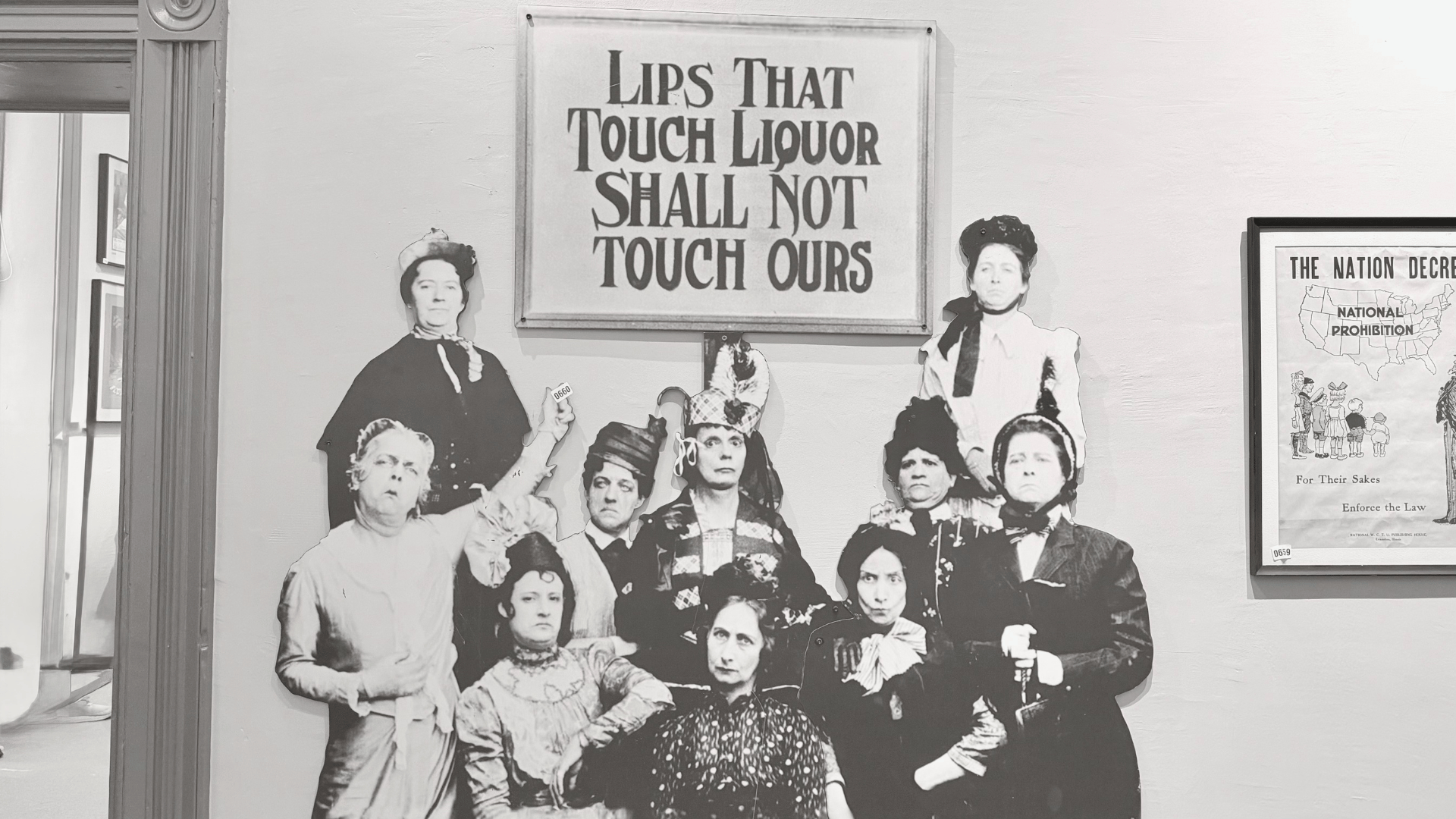
In Oscar Getz Museum of Bourbon History in Bardstown | Photo by Lanny Fuller
THE BOURBON WE COULDN'T FIND
I went to the festival on Saturday with my longtime pal and photographer, Russ. He works with a number of Kentucky distilleries through his production company, Odd Man Out, which means he was useful for more than just aperture settings. He knows the bourbon industry, too.
While we stood in line with several thousand other thirsty people waiting for the gates to open, Russ kept talking about a special Bardstown Bourbon Company release involving pineapple. He asked other people about it. Nobody seemed to know much. Which, naturally, made me want it more.
Once inside, we eventually made our way to the Bardstown Bourbon booth. Russ asked the woman pouring samples about the pineapple. She chuckled. The idea that we might actually find a bottle seemed amusing to her. She wasn’t entirely sure where we could get it. Or if we even could get it.
Perfect.
I had arrived at one of the biggest bourbon events in America, surrounded by thousands of bourbon drinkers and dozens of distilleries, and somehow there was still a bourbon floating around Kentucky that felt like a whispered rumor.
We never found it. And I love that we didn’t.
There aren’t many things left that are difficult to find. If you want a pair of sneakers released in Tokyo, you can probably have them at your door by Tuesday. If you hear about a restaurant in Copenhagen, you can see what the dining room looks like before you make a reservation. If somebody tells you about an obscure record, you can be listening to it before they finish the sentence.
In Kentucky, you can’t always get what you want. Sometimes the pineapple bourbon still hides from you.
The bourbon world isn’t just getting bigger. It’s getting stranger, too. And I like that.
For a long time, bourbon carried a certain dusty-boots seriousness. Drink it neat. Don’t mess with it. Don’t put anything weird in the barrel. Certainly don’t make the whiskey taste like tropical fruit.
That attitude hasn’t disappeared. There will always be room for purists. But standing in Bardstown, looking around the Bourbon Festival, it felt like there was room for something else, too. A pineapple bourbon. Or at least the rumor of one.
Distillers are experimenting. Drinkers are curious. Tradition still matters, but tradition doesn’t have to mean standing still. And somehow, all that experimentation hasn’t killed the old mystique. In this case, it created it.
Somewhere in Kentucky was a pineapple bourbon we couldn’t have.
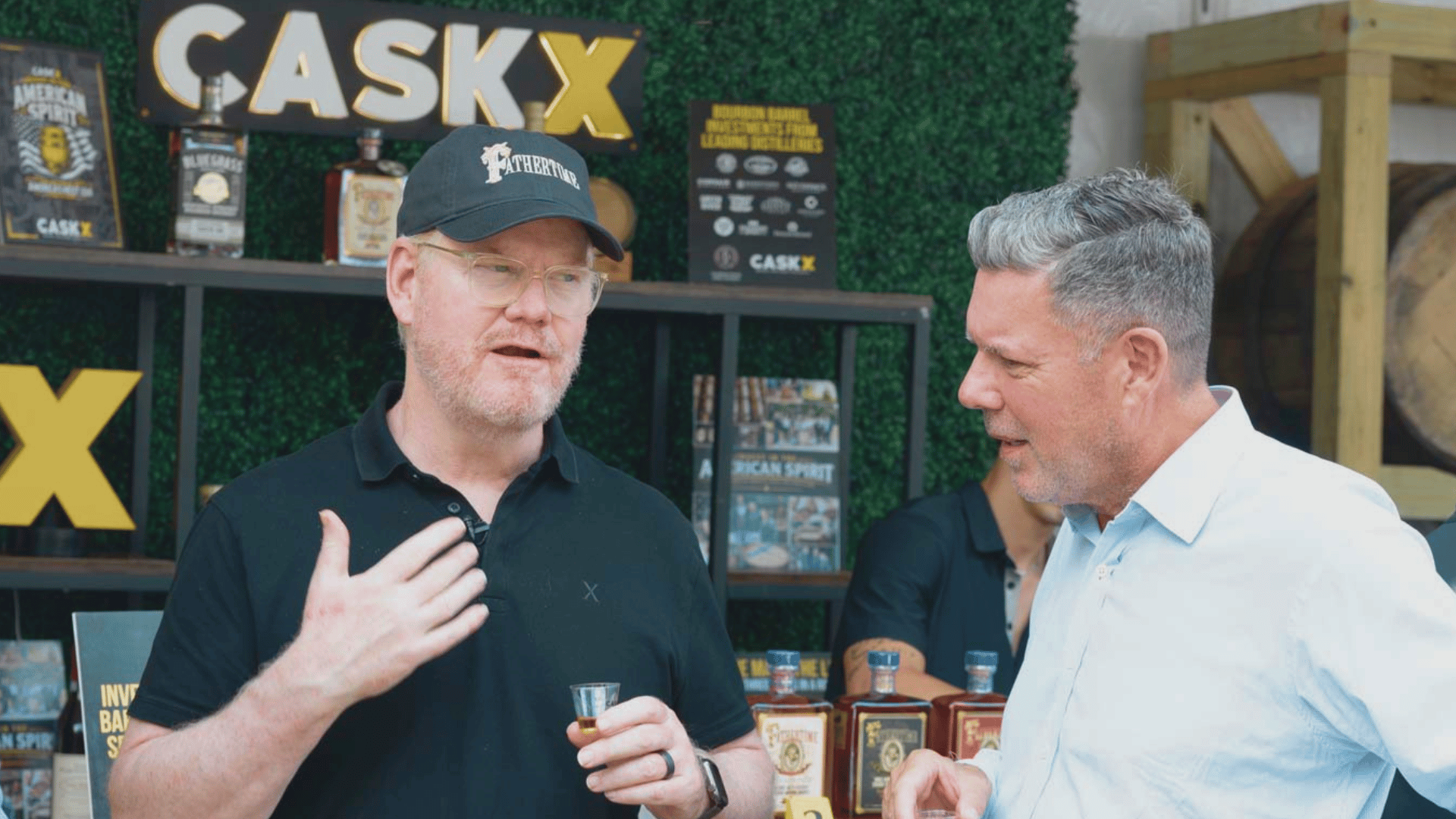
Jim Gaffigan at Kentucky Bourbon Festival | Photo by Russ Caldwell
HEY, JIM GAFFIGAN IS HERE
We spent some time inside the CaskX lounge, talking with investors, hearing from master distillers, and tasting recent releases.
Then Jim Gaffigan showed up.
There was no dramatic celebrity entrance. Suddenly, Jim Gaffigan was simply there. He spun the CaskX prize wheel. He poured bourbon for people. He took photos. Someone handed him a plastic Hot Pocket to autograph. He signed it.
Again, the whole thing felt simultaneously big and small.
Big: Wow. Jim Gaffigan is here.
Small: He arrived like a cool uncle at a family reunion.
That was the atmosphere throughout much of the festival. For all the money and attention pouring into bourbon, there remained something pleasantly informal about it. Master distillers weren’t distant names printed on press releases. They were literally standing right there.
The people making bourbon were still the ones explaining bourbon. How charming.
And a famous comedian could wander into a lounge, sign a fake Hot Pocket, and start pouring drinks. How glamorous.
COULDN'T BE PAPPY-ER
Even Pappy Van Winkle, the name that perhaps best represents what has happened to bourbon over the past decade, managed to feel elusive.
The only actual Pappy I saw all day was attached to that CaskX prize wheel. Land on the right number, and you got a taste. I watched one person do it.
There is probably no better illustration of modern bourbon than Pappy. It’s a bottle of whiskey that has become an object of mythology. People chase releases. Secondary-market prices climb into absurd territory. Owning the bottle can sometimes seem as important as opening it.
Which makes Pappy & Company interesting.
The company was founded by triplet sisters who are great-granddaughters of Pappy Van Winkle. Rather than make more whiskey to meet the seemingly bottomless demand for the family name, they’ve expanded the world around it. Cigars. Glassware. Bar accessories. Food. Things that let people participate in the legacy without pretending there’s an infinite supply of the liquid that created it.
There’s restraint in that. Respect.
At a moment when seemingly everything can become a “brand extension,” the most obvious extension of Pappy would be more Pappy. Instead, there still isn’t enough. And I like that, too.
Scarcity isn’t always a problem waiting to be solved. Sometimes not getting the thing is part of what makes the thing interesting.
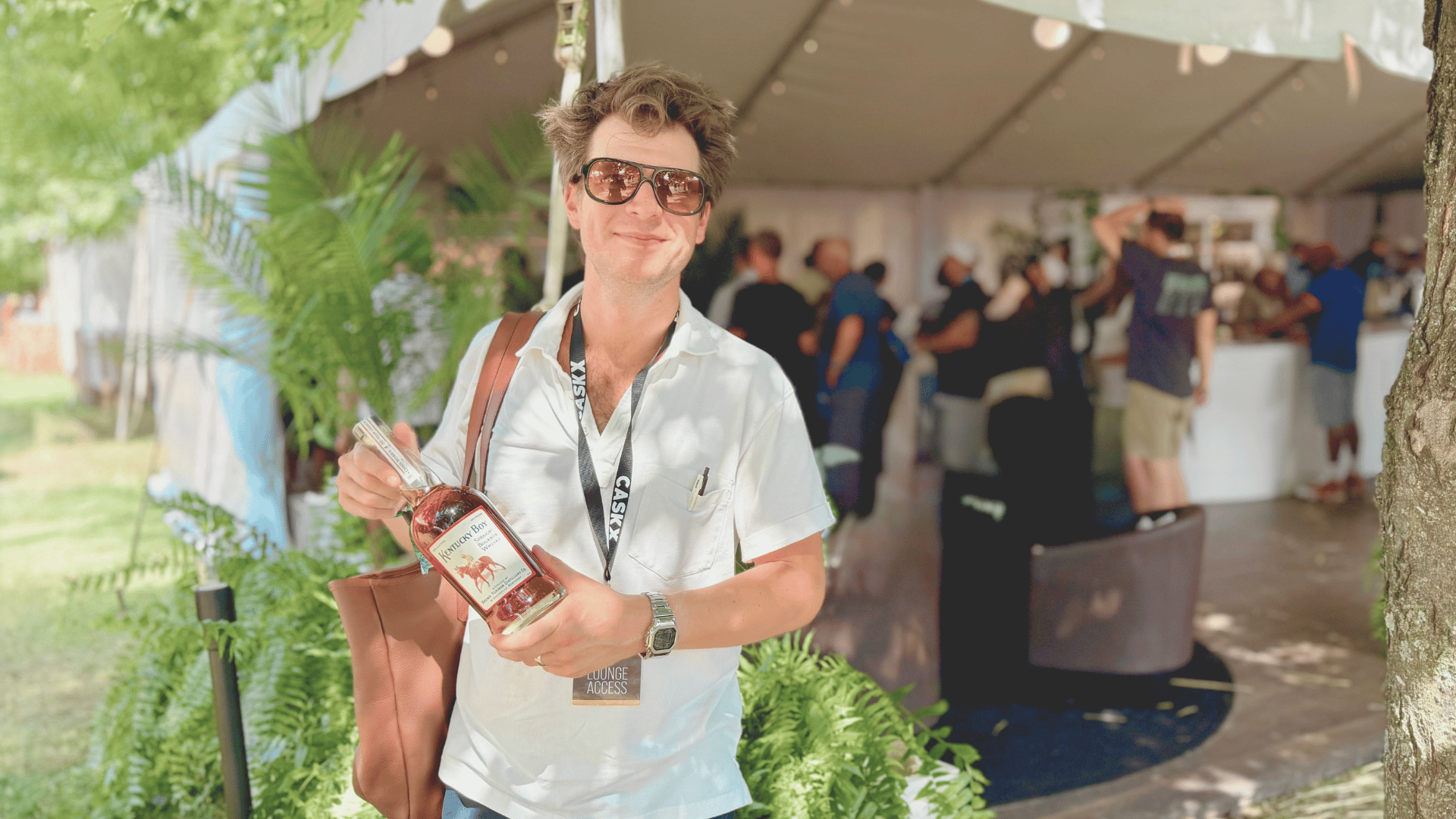
Lanny with Kentucky Boy Bourbon | Photo by Russ Caldwell
THE KENTUCKY BOY
We never tasted the pineapple bourbon. I didn’t land on the Pappy. That’s fine. Gives me reasons to return. But I also didn’t walk away empty-handed.
Kentucky Boy Bourbon debuted at this year’s festival, and the bottle itself is a nice little encapsulation of where bourbon finds itself right now.
Brown-Forman pulled the Kentucky Boy name from its archives. The company acquired the label back in 1923, during Prohibition, and sold it through the 1940s. More than 80 years later, they brought it back for a one-time release honoring Master Distiller Emeritus Chris Morris and his 50 years in the bourbon business.
The whiskey inside looks backward and forward. Woodford Reserve Master Distiller Elizabeth McCall and Old Forester Assistant Master Distiller Caleb Trigo created it in honor of their mentor, taking inspiration from some of the whiskies Morris helped develop over his career: Old Forester Birthday Bourbon, King of Kentucky, and Woodford Reserve Double Oaked.
An old label. A new bourbon. Made by the next generation to honor the guy who helped shape the previous one. I bought two bottles. The maximum you could get.
Apparently, plenty of other people had the same idea. Kentucky Boy was a limited, one-time release, and bottles disappeared quickly. It’s already sold out.
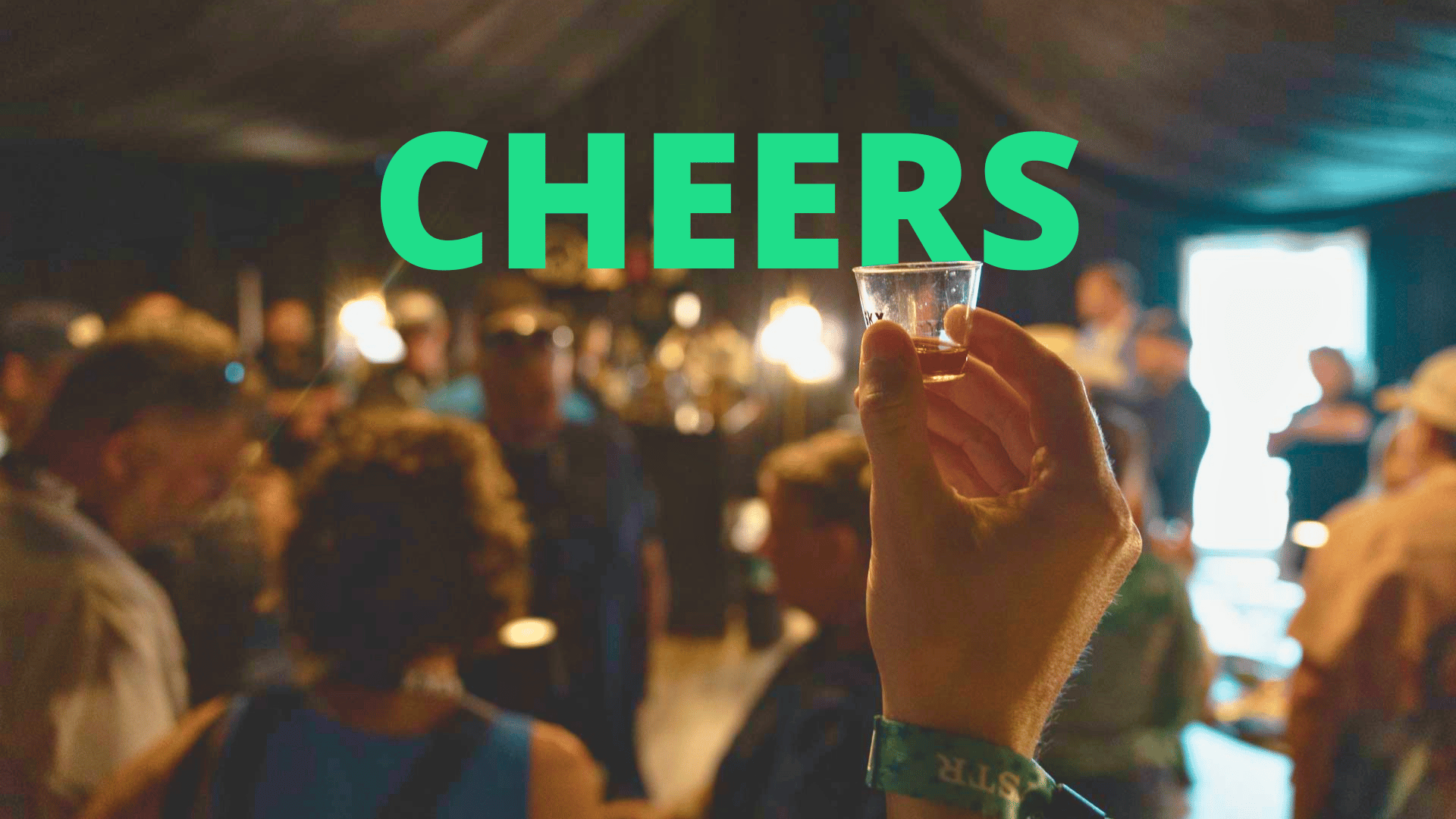
Toast in CaskX Lounge | Photo by Russ Caldwell
KEEPING SECRETS
By late afternoon, the Kentucky Bourbon Festival had thousands of people wandering around Bardstown holding tasting glasses. Bourbon was everywhere.
The industry is bigger, slicker, and more sophisticated than the one that gathered 250 people around dinner tables 35 years ago. There are celebrity appearances now. Investors. Collectors. Bottles worth chasing. Bottles worth flipping.
But the old bourbon world hasn’t disappeared underneath all that growth. You can still meet the person who made what you’re drinking. You can still hear about a bottle from a friend, go looking for it, and come up empty. You can still stumble onto something you didn’t know existed and bring it home with you.
Maybe that’s what I liked most about the weekend. Bourbon was everywhere. And somehow, it still felt like there were secrets to be discovered.
More Travel
The Canadian City You’re Probably Overlooking
A Little Wild. A Little Luxurious. Entirely Underrated.
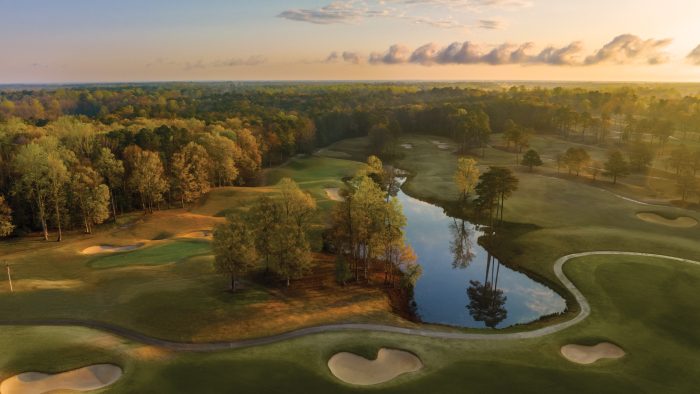
Is Williamsburg the Most Underrated Golf Destination in America?
More than a dozen championship courses, legendary designers, great resorts, and plenty to do after 18 holes make a compelling case.
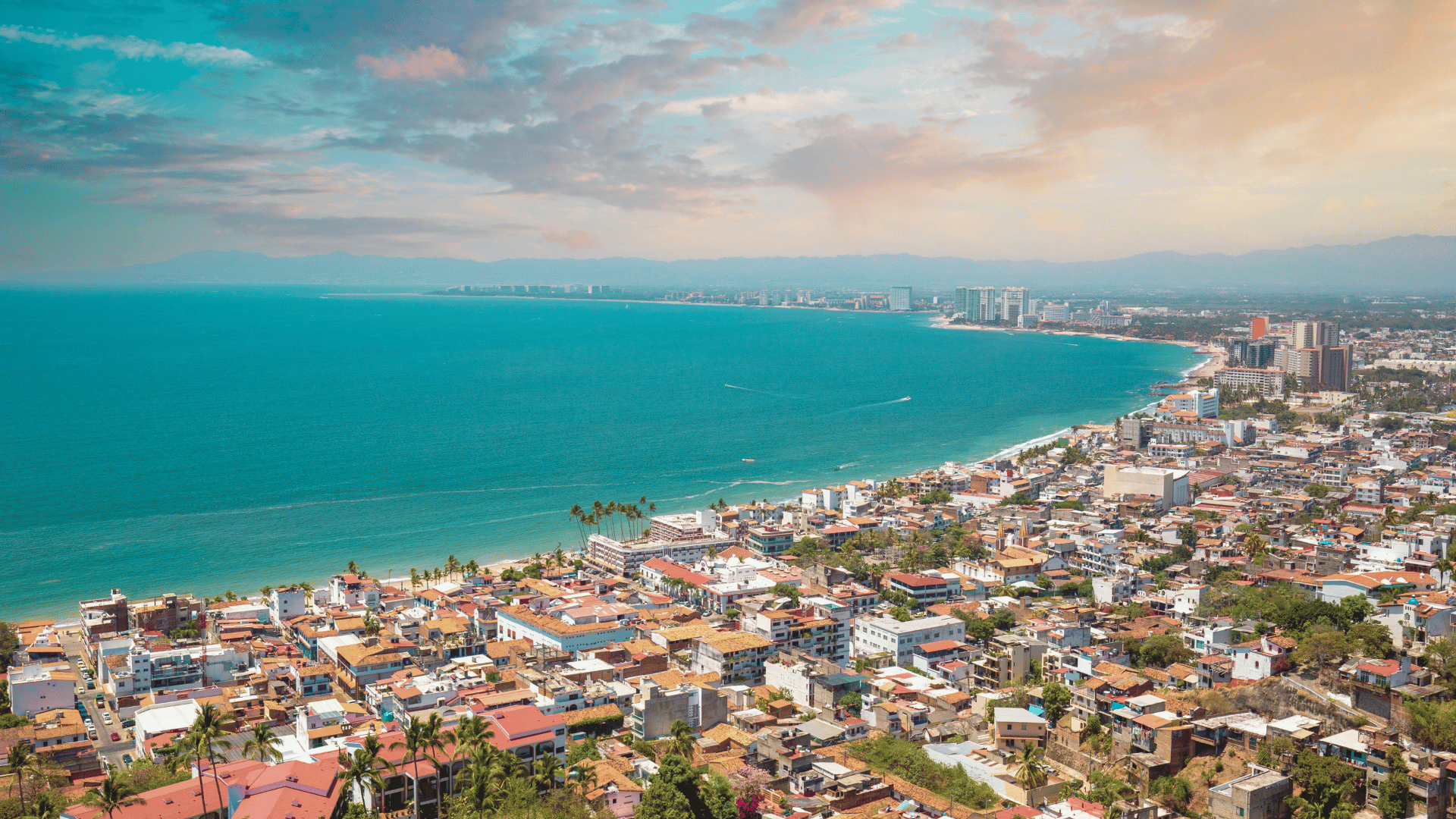
Cool Destination: The Ultimate Puerto Vallarta Guide
Our favorite places to stay, eat, drink, explore, and linger in one of Mexico's most captivating beach towns.
-
Travel
The Canadian City You’re Probably Overlooking
A Little Wild. A Little Luxurious. Entirely Underrated.
-
Travel
Is Williamsburg the Most Underrated Golf Destination in America?
More than a dozen championship courses, legendary designers, great resorts, and plenty to do after 18 holes make a compelling case.
-
Travel
Cool Destination: The Ultimate Puerto Vallarta Guide
Our favorite places to stay, eat, drink, explore, and linger in one of Mexico's most captivating beach towns.