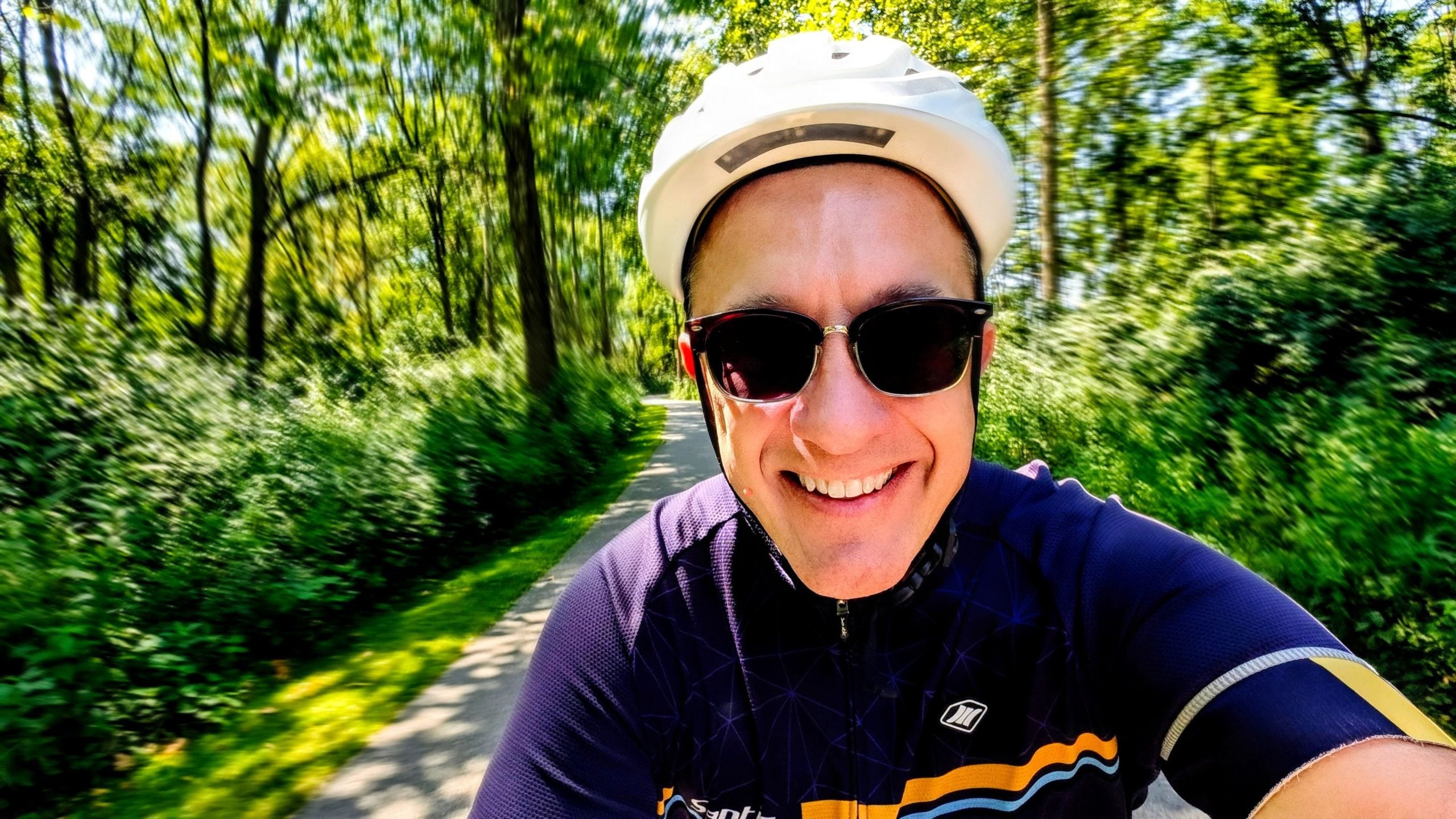
Several years ago, I needed to lose weight, so I returned to riding a bike. Something I hadn’t done since I was a kid. That decision changed my world. As the pounds started shedding, my love for cycling started shaping. It helped me center myself. (The first thing my therapist asks is, Did you ride your bike today?) It’s hard to be unhappy when you’re on a bike. So if you’re interested in road cycling, but aren’t sure where to start, allow me.
Courtesy of Brandon Withrow
Choose Your Ride
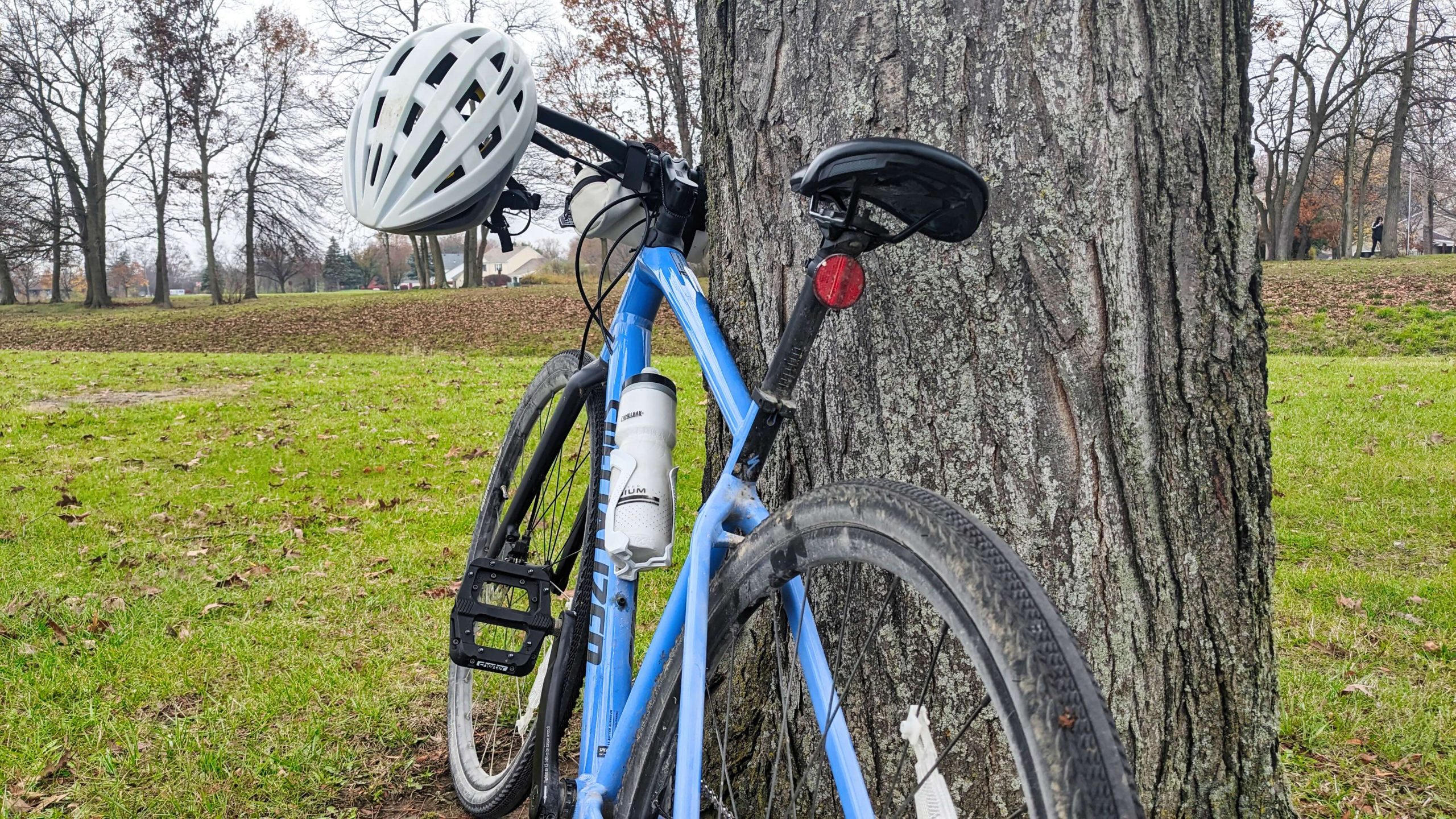
Buying a bike is an incredibly personal decision. It starts with what you want from your bike and probably the biggest concern? Budget. Road bikes are made for aerodynamics and speed, and prices can be about as expensive as you want. Something like the highly praised Ritte Esprit is $6000+, while a Specialized Tarmac SL7 Sport is about half that, and a Decathlon Triban RC500 is around $800.
Road cycling doesn’t require a road-only bike, though. Hybrid bikes, like the Trek FX series (which was my first hybrid bike), are good all-around bikes for pavement with commuting and general exercise in mind. Hybrid bikes have flat handle bars that are often raised a little to provide comfort. Their tires are a little thicker and smaller than a traditional street bike, and hybrids weigh a little more, but they are fantastic bikes. The Sirrus X 4.0 is an up-for-anything, light-weight hybrid bike with flexibility for something like off-road gravel and trails.
Find a good bike shop for recommendations on frame size, which is connected to your height, riding position, and features, like manual or hydraulic disc brakes over rim brakes. The right bike for your build will go a long way for enjoying the bike, and avoid leg and back pain over long rides.
Courtesy of Brandon Withrow
Essential Beginner Gear
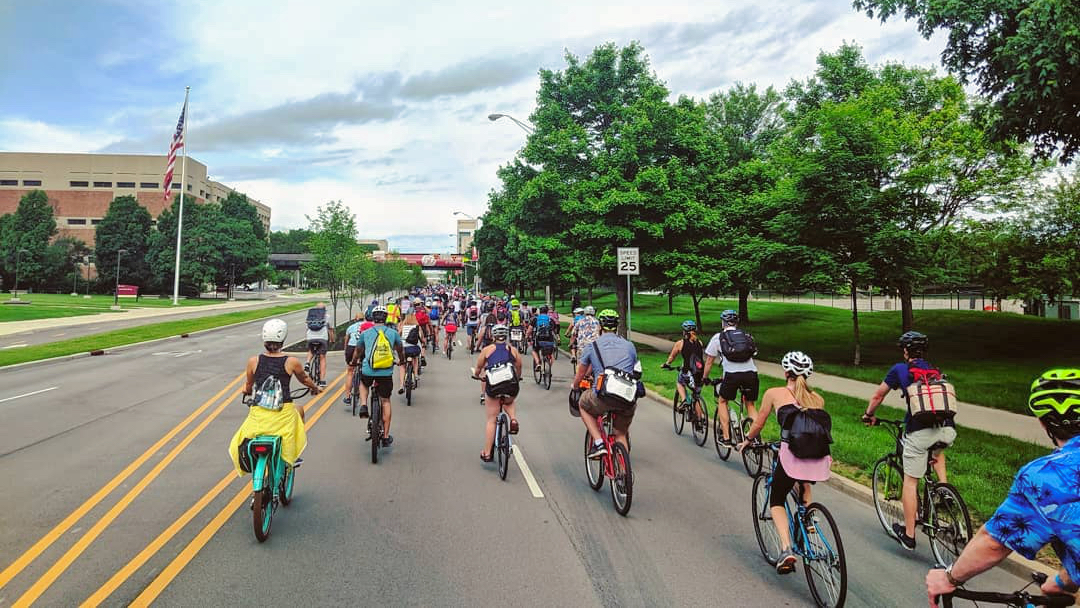
Good cycling gear can change everything about an experience. A decent cycling kit, like a jersey (see REI) and shorts, can add miles to your ride. Good clothing can wick sweat from the body and provide breathability. Cycling shorts have padding that ranges from a fabric and foam to added gel support that reduces friction. Consider shorts or bibs like these from PEARL iZUMi, or these comfortable and reasonably priced Sponeed gel shorts, which have gone the distance for me. Chamois cream will also help with chaffing.
Helmets are a must. In the dark, I use my LUMOS (lighted) helmet with MIPS (technology that reduces the rotational forces on the brain on impact). But any helmet is better than no helmet when road cycling (see REI).
Courtesy of Brandon Withrow
Important Tools
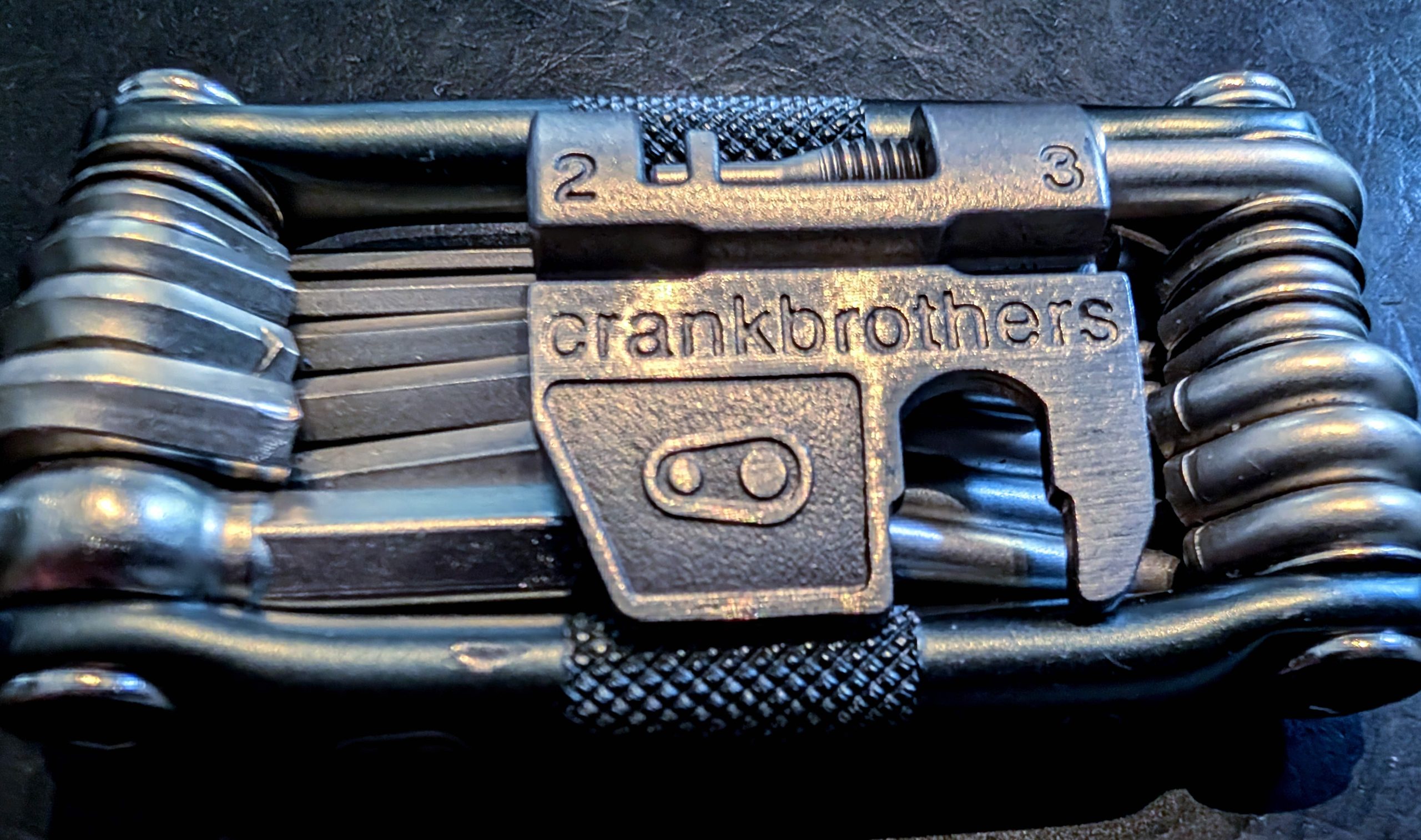
Other necessary tools include a water bottle, patch kits, spare tubes, bike locks, and decent padded cycling gloves to keep your hands from falling asleep on bumpy roads. Portable bike pumps, levers for changing tubes, and multi-tools are also good to have on hand for emergencies. Most of these can fit in a cycling bag, which can nestle under the seat or on a bike rack, like this Explorer MTX 2.0 rack. Handle bar lights (like this NiteRider Lumina set) are also needed in the dark.
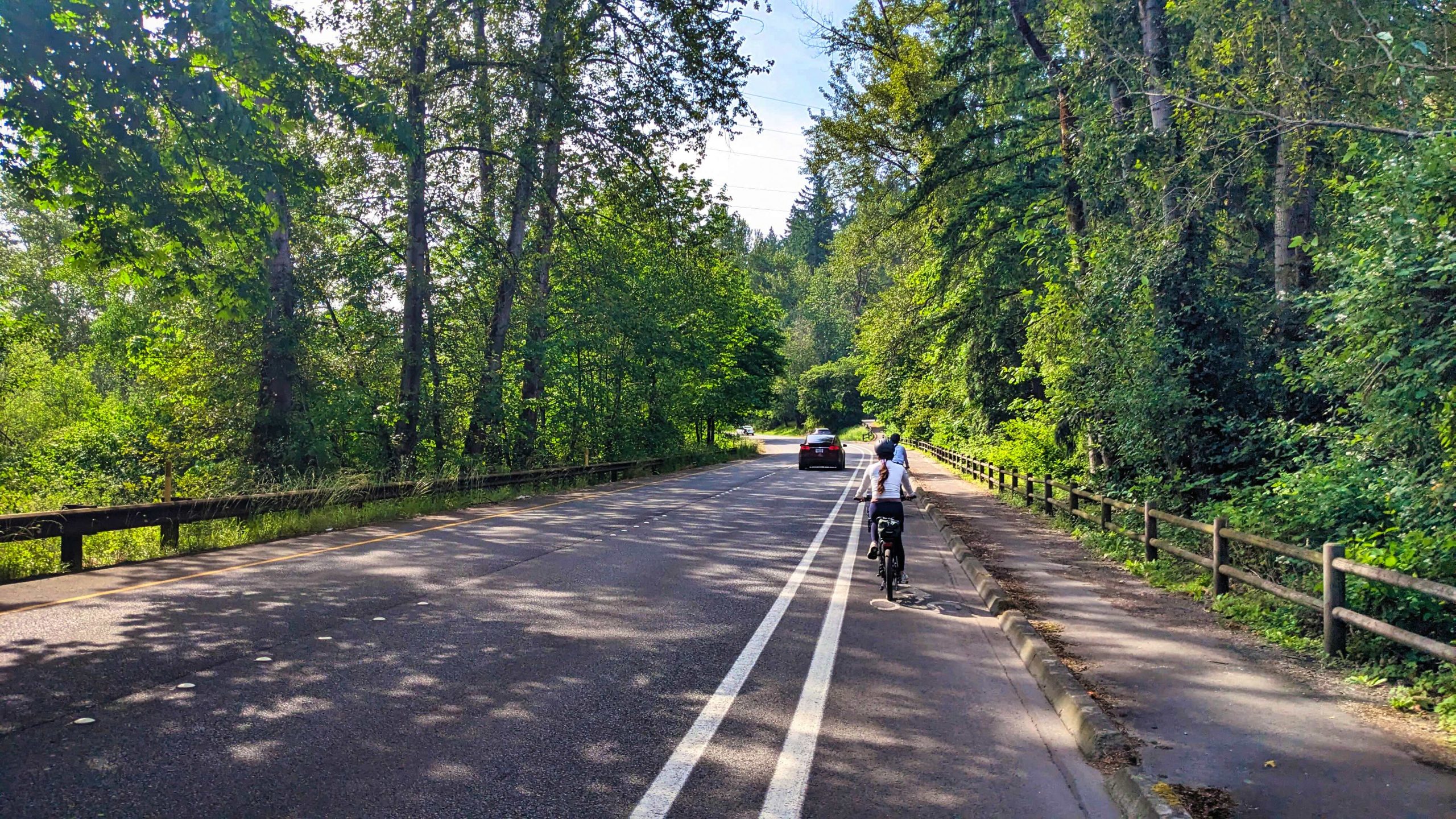
If you want to track your ride, you can use an app like Strava, which tracks details and connects cyclists. If you’re on the road, know the rules of the road for your state. Bikes are generally the same as traffic, meaning you are in the right lane with cars, not riding against them. Road cycling doesn’t mean you have to stick only to main roads. Dedicated bike lanes and rail-trails (see the app TrailLink) are being added across the country and provide the fun without the threat of cars. The Great American Rail Trail will even cross the U.S. from coast to coast.
Courtesy of Brandon Withrow
Enjoy the Ride
In the end, you want to enjoy your ride, so whichever bike or gear you buy, it should serve the purpose of encouraging you to get back on the bike and loving it.