There’s nothing like exploring water by kayak. This small, versatile boat gets you up close with the wild. You can pack them for an overnight adventure or simply paddle into the quiet and forget that the world (or even your life) is a mess. I’ve kayaked all over the world, but there are a few remote locations that are bucket-list worthy: the Galapagos Archipelago, Antarctica, the Amazon, Greenland, and the Aleutian Islands.
And no, you don’t have to be David Attenborough to go to any of these places.
Tips Before You Kayak
If you’ve never kayaked before, don’t worry, it’s easier than you may think. The expedition companies I recommend below will supply you with kayaks and provide guides in these remote places. Still, there are some things to note ahead of time.
Find a place with calm waters for practice. One of my favorite examples of this is the perfectly still Wingra Lake in Madison, Wisconsin, where you can paddle without interference from waves. Find your own version of this at a local park. Many parks will even allow you to rent kayaks.
There are kayaks for every kind of experience. Sit-on-top kayaks are the easiest to get back onto if you flip (you won’t), but for the open sea, your guides will likely supply a sit-inside kayak. Sit-inside kayaks protect against waves and keep your gear dry. Bring reef-safe sunscreen either way. If you want to take photos, consider a touch-sensitive waterproof lanyard. Alternatively, I use this paracord Lanyard that connects to my phone case with tether tabs.
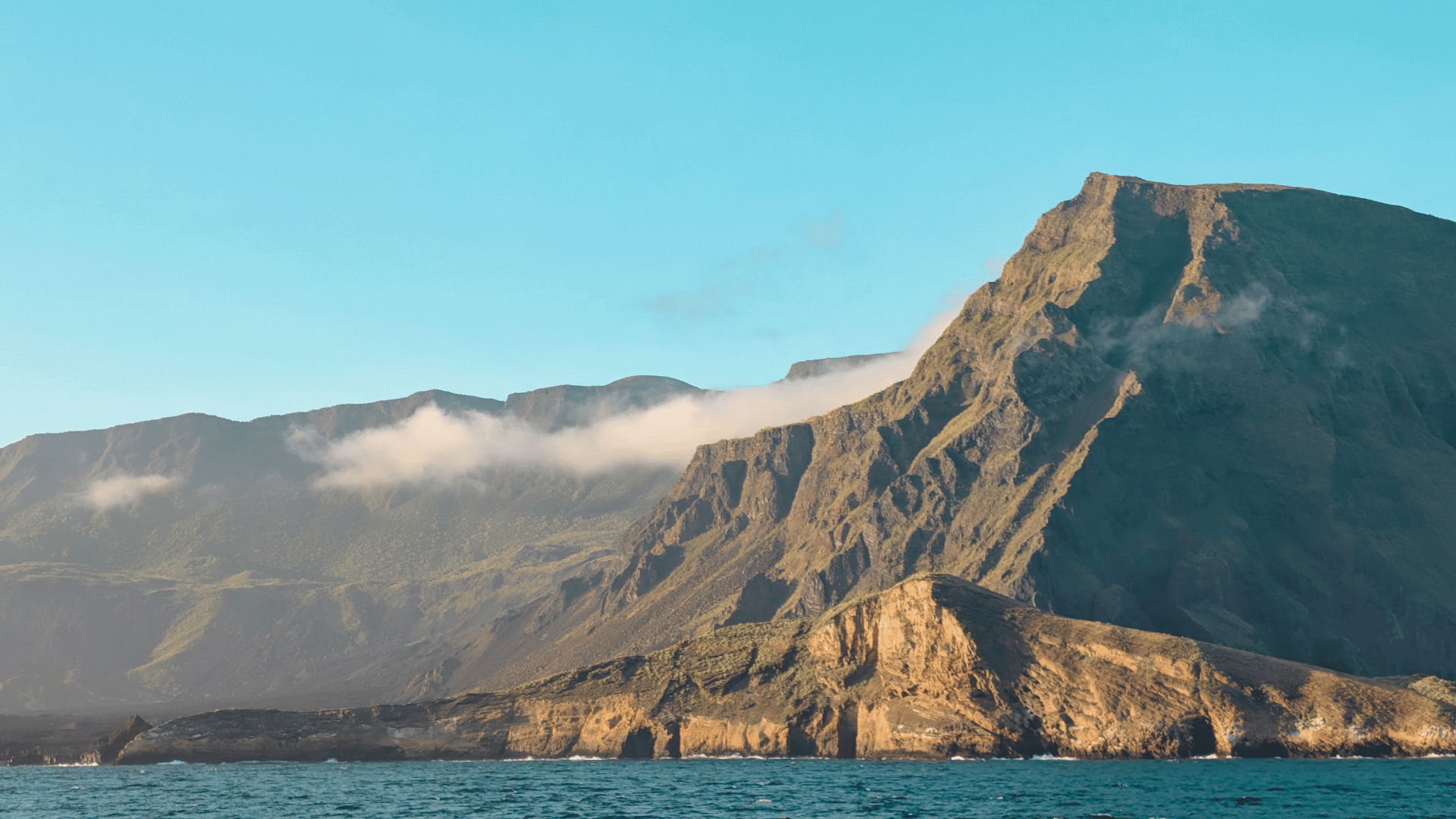
Photo via Brandon Withrow
The Galapagos Archipelago
The iconic Galapagos islands feel like the land before time. The endemic wildlife there, like the Galapagos Giant Tortoise, help add to that feeling. Made famous by Charles Darwin (and plenty of Attenborough documentaries), this is a place with the Galapagos penguin (the only penguin north of the equator). Visits to the Galapagos require a visa separate from your entry into Ecuador, and there are limitations on where you can visit without a proper guide. I went with National Geographic-Lindblad Expeditions, a company with a long and trusted history with the islands. They offer year-around adventures.
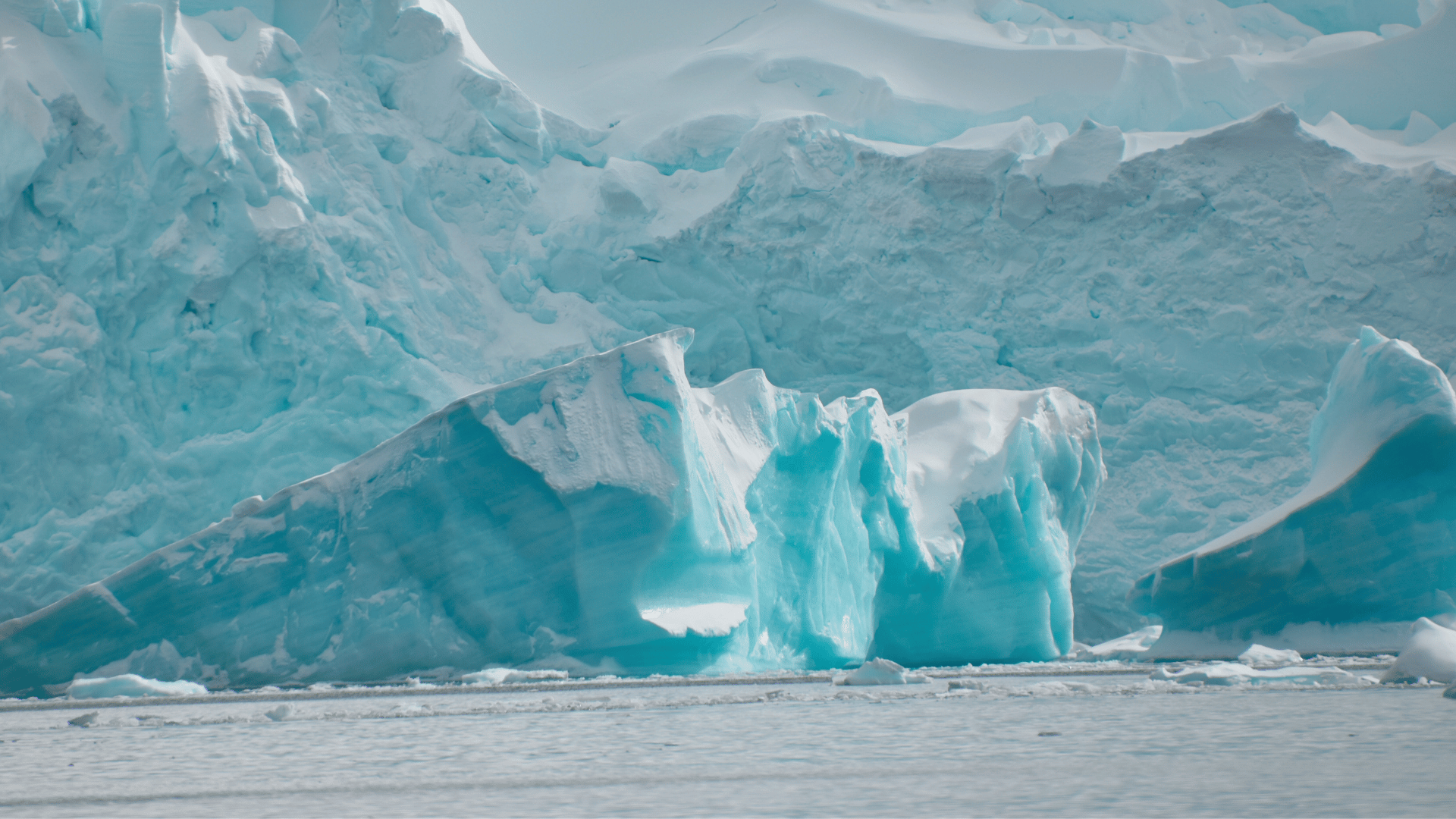
Photo via Brandon Withrow
Antarctica
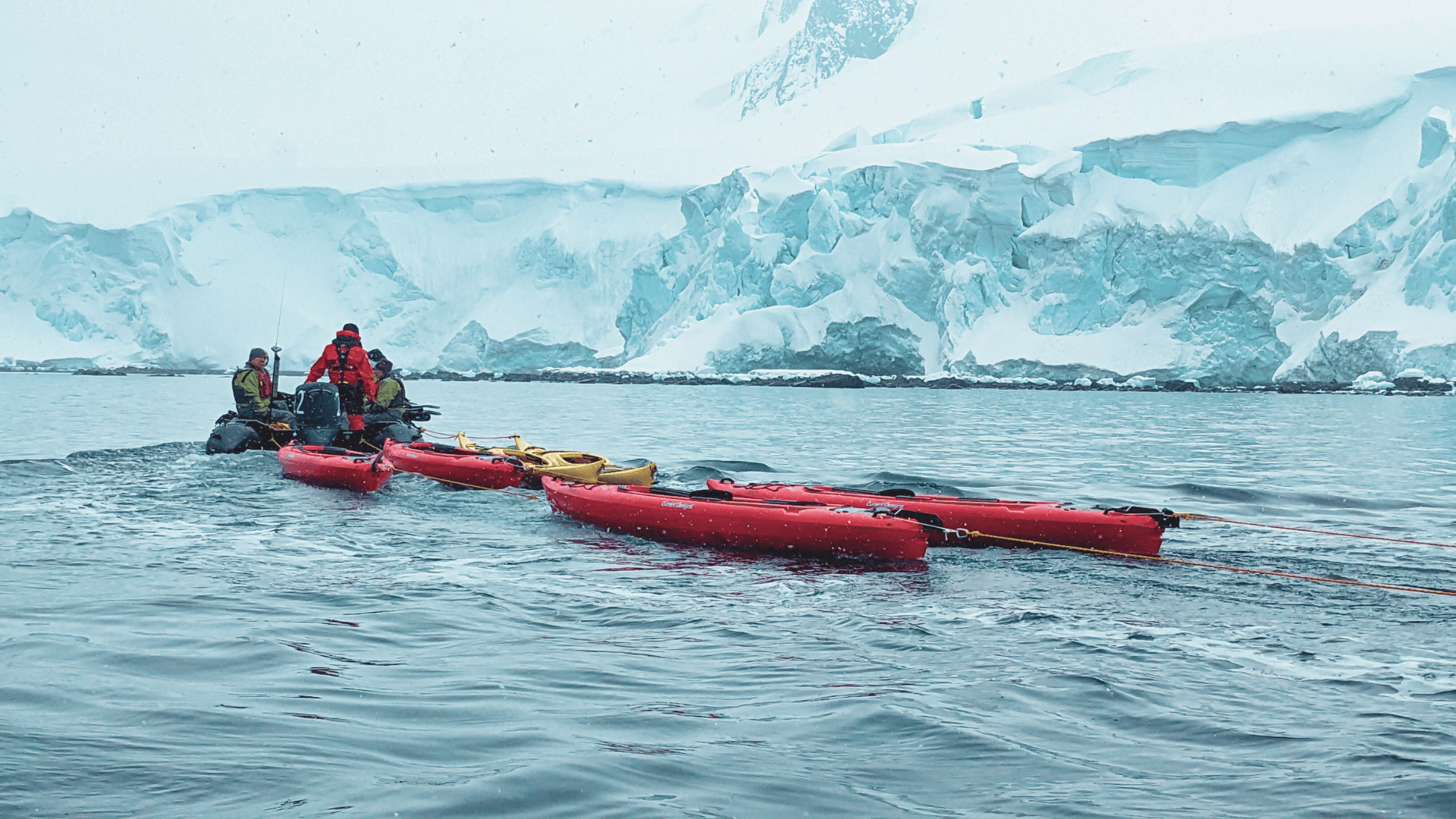
Speaking of penguins. When I was in Antarctica on Viking Polaris, we did a lot of amazing things (like ride a sub down 525 feet). But we also kayaked with Gentoo penguins that swam next to us, popping in and out of water like porpoises. Everything about Antarctica feels otherworldly. It is also one of the most protected places on the planet. Ships that visit can’t have over 500 passengers and there are restrictions on activities, so I recommend companies like Viking, National Geographic—Lindblad Expeditions, or Aurora Expeditions.
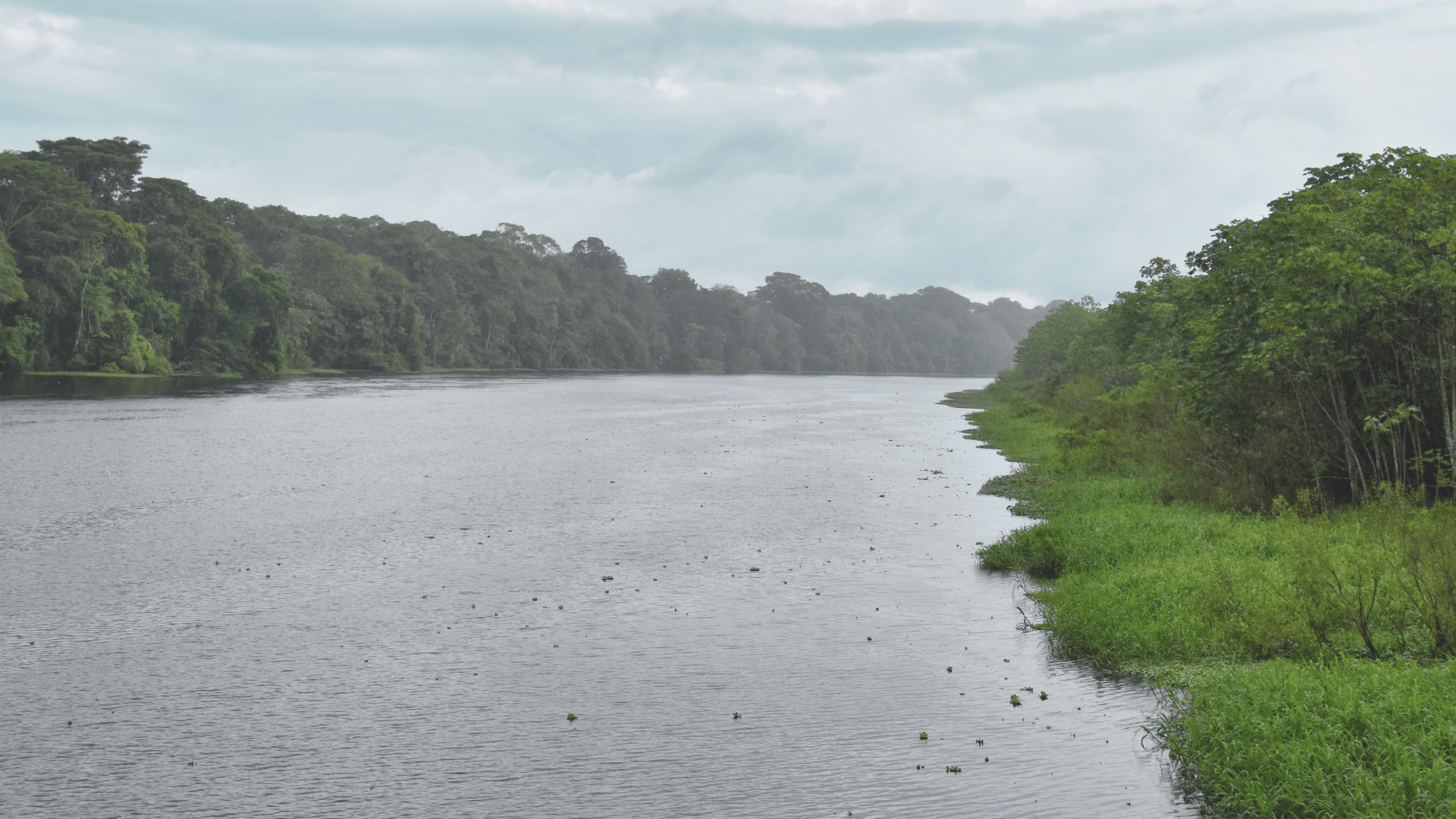
Photo via Brandon Withrow
The Amazon Jungle
From fish that bite back (piranhas) to pink dolphins (that you don’t have to be drunk to see), or even the thing your nightmares didn’t prepare you for, like the giant Amazon River otters that can get up to 6 feet long—the Amazon has it. Companies like Natural Habitat Adventures will take you hiking and kayaking with guides who were raised in the area. They will also provide some posh rooms and culinary experiences on board a luxe river boat that looks like it’s from a classic murder mystery.
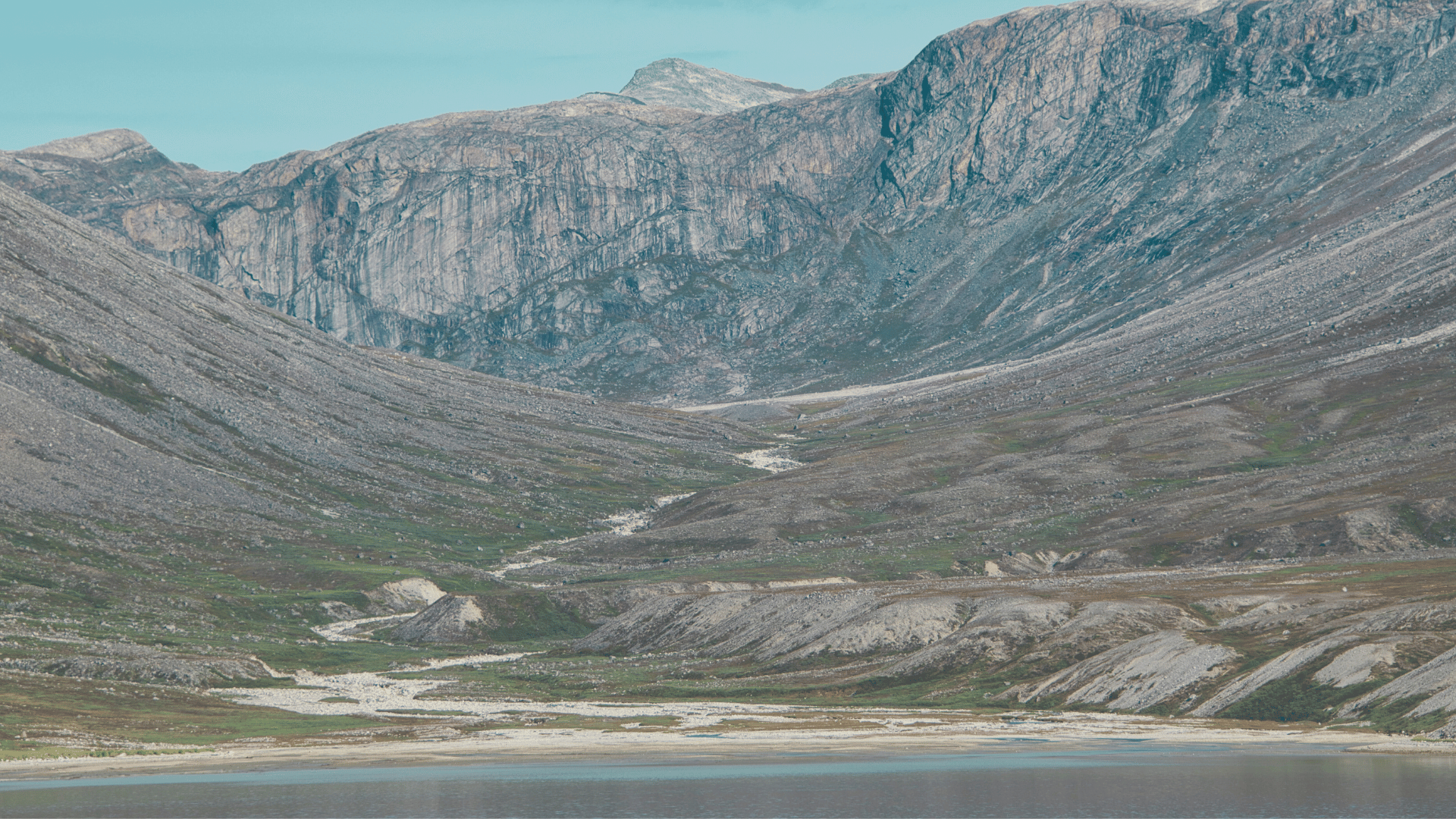
Photo via Brandon Withrow
Greenland
Greenland has a long history connected to the first people who called it home: the Inuit. Along with the Aleut people of the Aleutian Islands, the Inuit in Greenland are the inventors of the kayak. Greenland is about 80 percent ice, with a thin strip of actual green along the Southwestern coast. Airport renovations in the capital Nuuk means you can now fly to the capital of Greenland. I went with National Geographic-Lindbland Expeditions to kayak the Neria Fjord. Lindblad gets guests into hard to reach places. Sometimes it’s even their first time there.
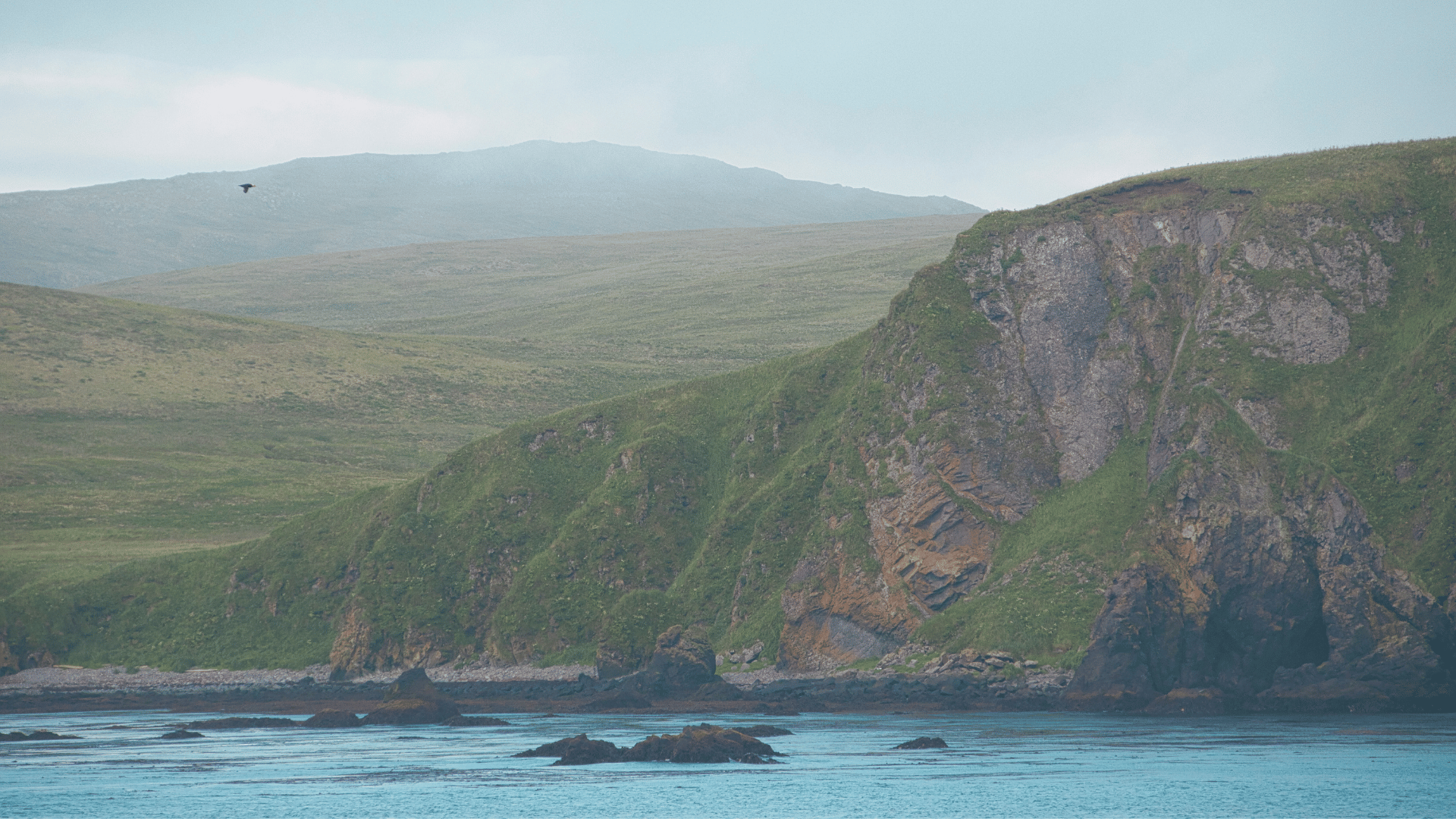
Photo via Brandon Withrow
The Aleutian Islands
Despite all of the remote places that I’ve kayaked, the Aleutian Islands to the West of Alaska felt like the most remote. Part of that is because the island chain of active volcanoes reaches from Alaska to Russia. Fewer people visit the remotest of these islands each year than go to Antarctica. The Aleut people lived there for 10,000 years before they were forcibly removed by both Russia and the United States. The Islands were turned into bases during World War II and remnants of that are still there. I kayaked with National Geographic-Lindblad Expeditions.
Whichever of these you visit, with a little practice on the kayak and a good guide, you’ll have an incredible adventure.
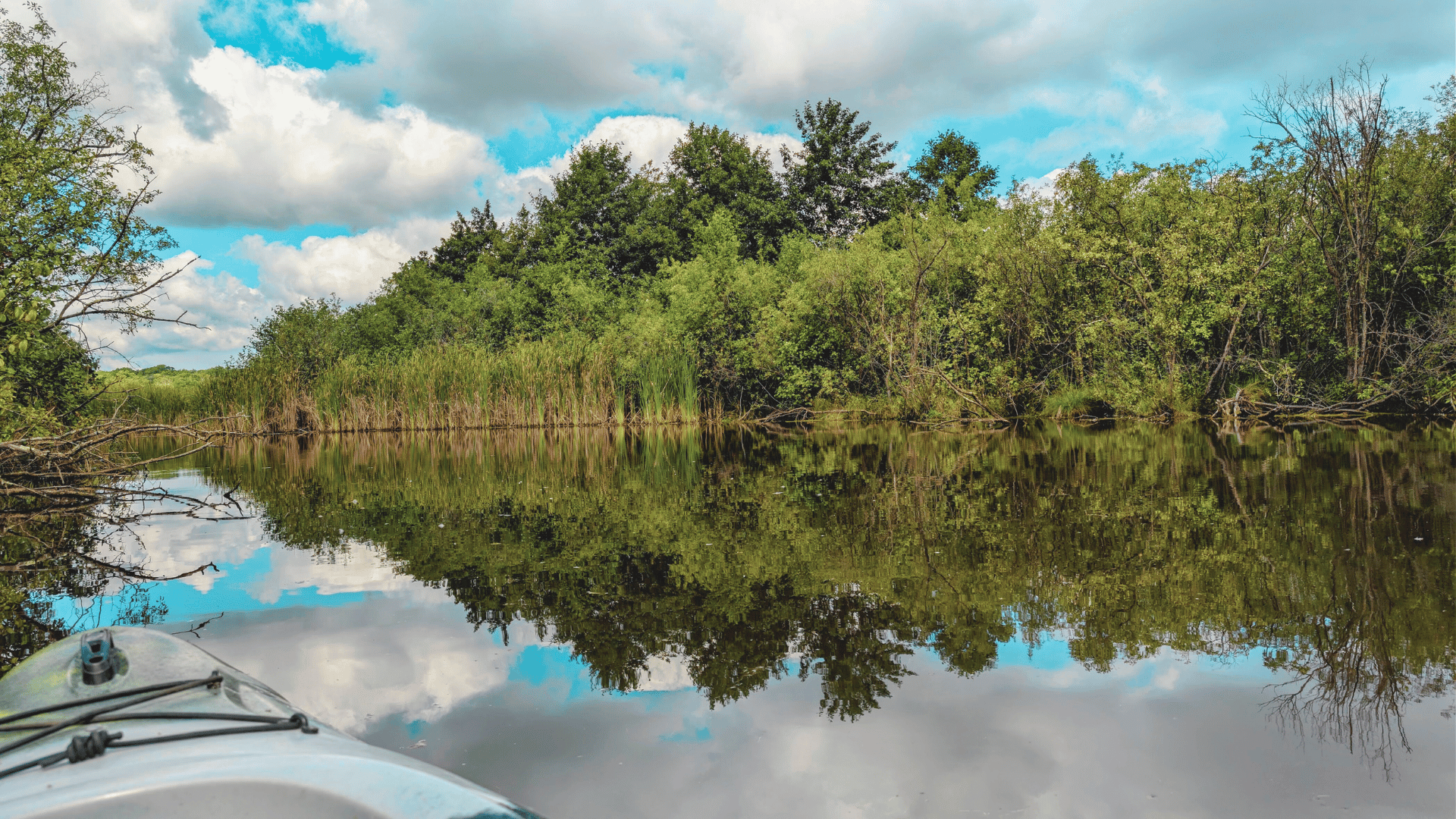
Photo via Brandon Withrow