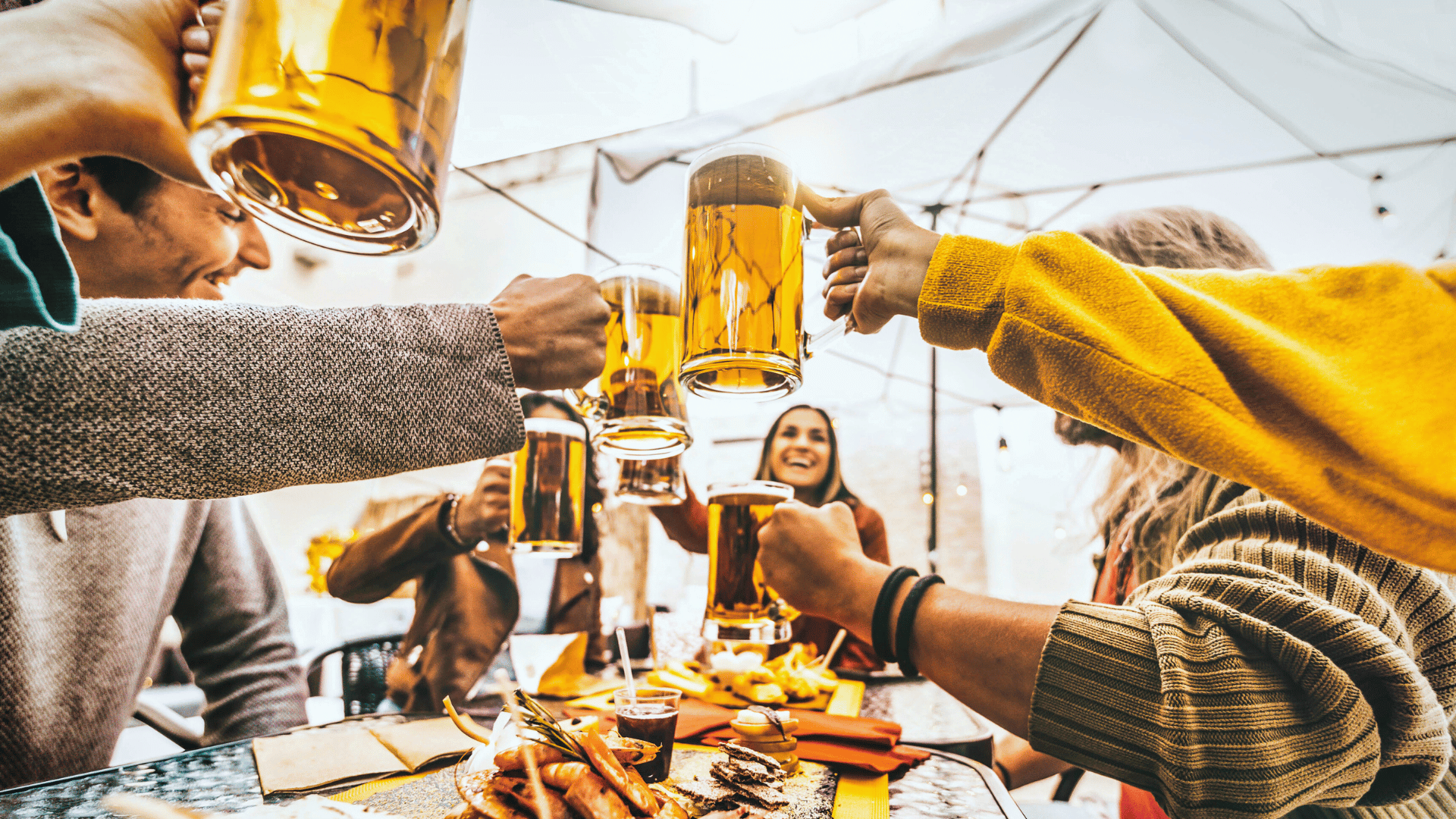
The 1980s was a wild decade. It brought the world the Walkman, Back to the Future, Trivial Pursuit, leg warmers, and some of the most notable beers in American history. Among other things.
But if it wasn’t for the innovation and laws enacted in the ’80s, the US wouldn’t have had the beer boom it has had in the last few decades.
As of 2025, we are nearing 10,000 breweries (craft and otherwise) in the US. Back in 1980? There were less than 50. Pioneering breweries like Sierra Nevada, the Boston Beer Company, Redhook, Mendocino, and more got their start in the ’80s. New laws in California made it so small craft breweries and brew pubs were able to bypass stores and sell beer directly to drinkers. I’ll raise a glass to that.
Not only did some of the most well-known breweries open, but they also began brewing some of the most iconic beers of all time. This includes the industry changing Sierra Nevada Pale Ale. The liberal use of Cascade hops paved the way for the bitter, piney West Coast IPA trend that’s never lost traction since.
In 1984, one of the most popular beers in America was first brewed in a Boston-area kitchen. It was Samuel Adams Boston lager and when Jim Koch brought it to bars and restaurants in the mid-80s, few could have known the cultural impact of this now beloved beer. Brewed with imported German hops, it was already so popular by 1985 it was awarded as “Best Beer in America” at the Great American Beer Festival.
The rise of these creative brewers began to shift the way Americans viewed beer. The 1980s showed us that beer could be more than yellow, fizzy mass-produced beers our grandfathers drank. It gave rise to a whole new world of craft beer that continues to this day.
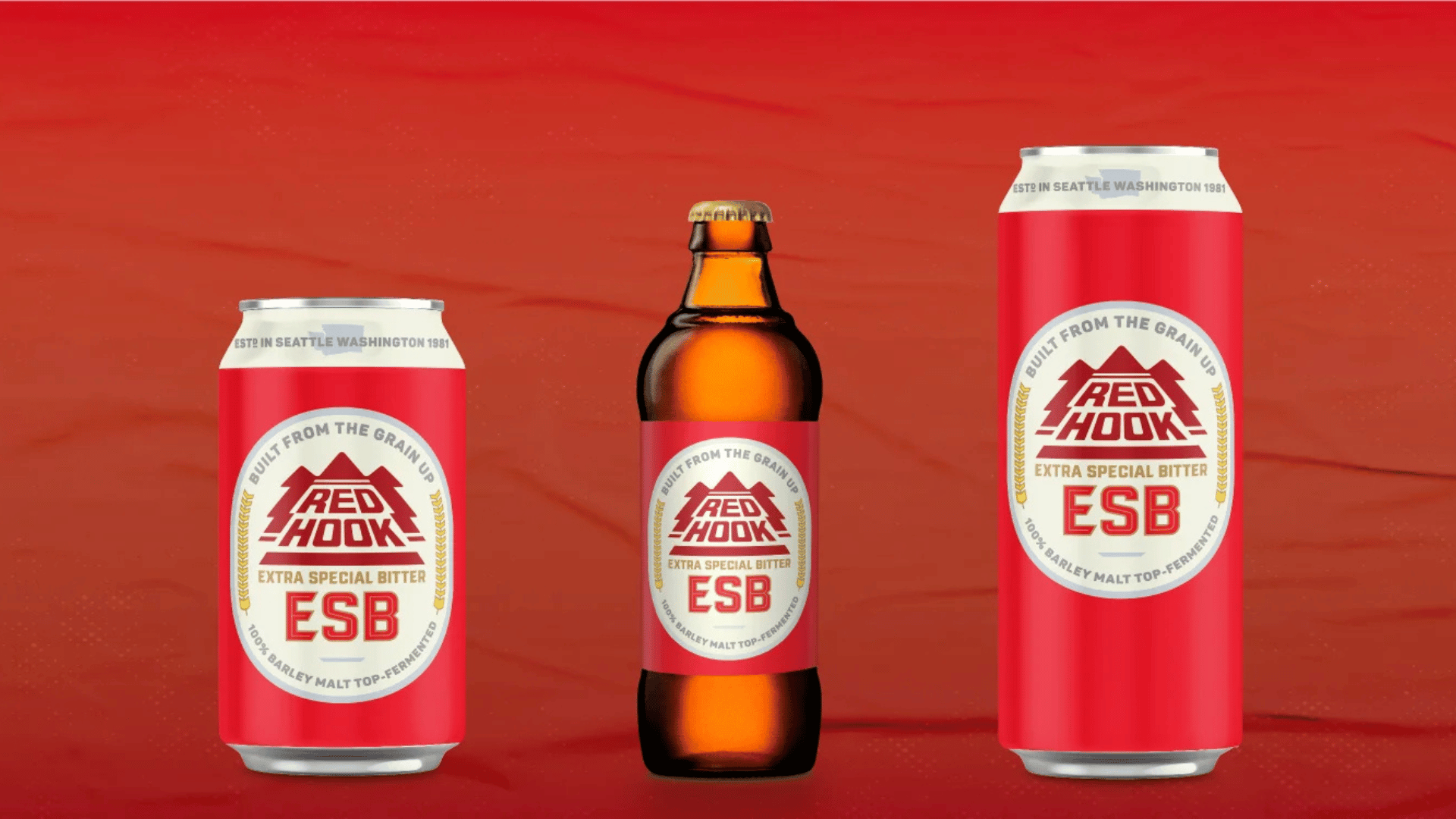
Photo via Redhook
Redhook ESB
First launched in 1987, Redhook ESB (Extra Special Bitter) is the Seattle-based brewery’s flagship beer. Brewed with Pale and Crystal malts as well as Willanette and Tettnanger hops, it’s known for its aromas of toasted malts, caramel, citrus peels, and floral notes. Sipping it reveals hints of toffee, toasted barley, orange peels, and floral, piney hops. The finish is dry and pleasantly bitter. It’s a well-balanced beer that deserves a permanent spot in your beer fridge.
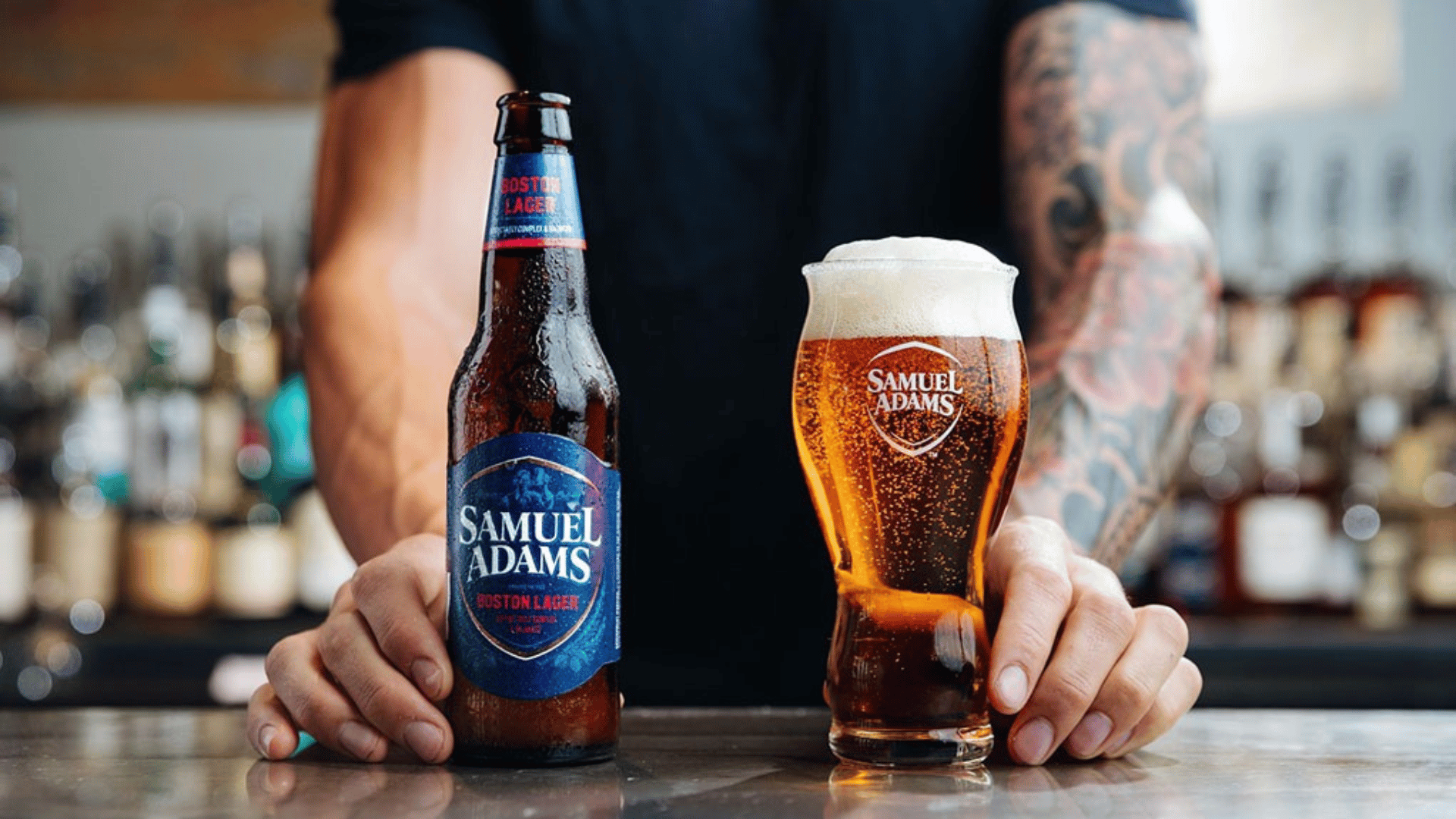
Photo via Samuel Adams
Samuel Adams Boston Lager
There aren’t many American beers more well-known than Samuel Adams Boston Lager. Brewed with two-row pale malt and Caramel 60 malt and hopped with German noble hops including Hallertau Mittelfrüh and Tettnang Tettnanger, it’s known for its aromas of bready malts, caramel, citrus peels, and floral hops. The palate is a mix of caramel, toasted malts, orange zest, and floral, earthy, lightly piney hope. A crisp, refreshing finish leaves you craving more.
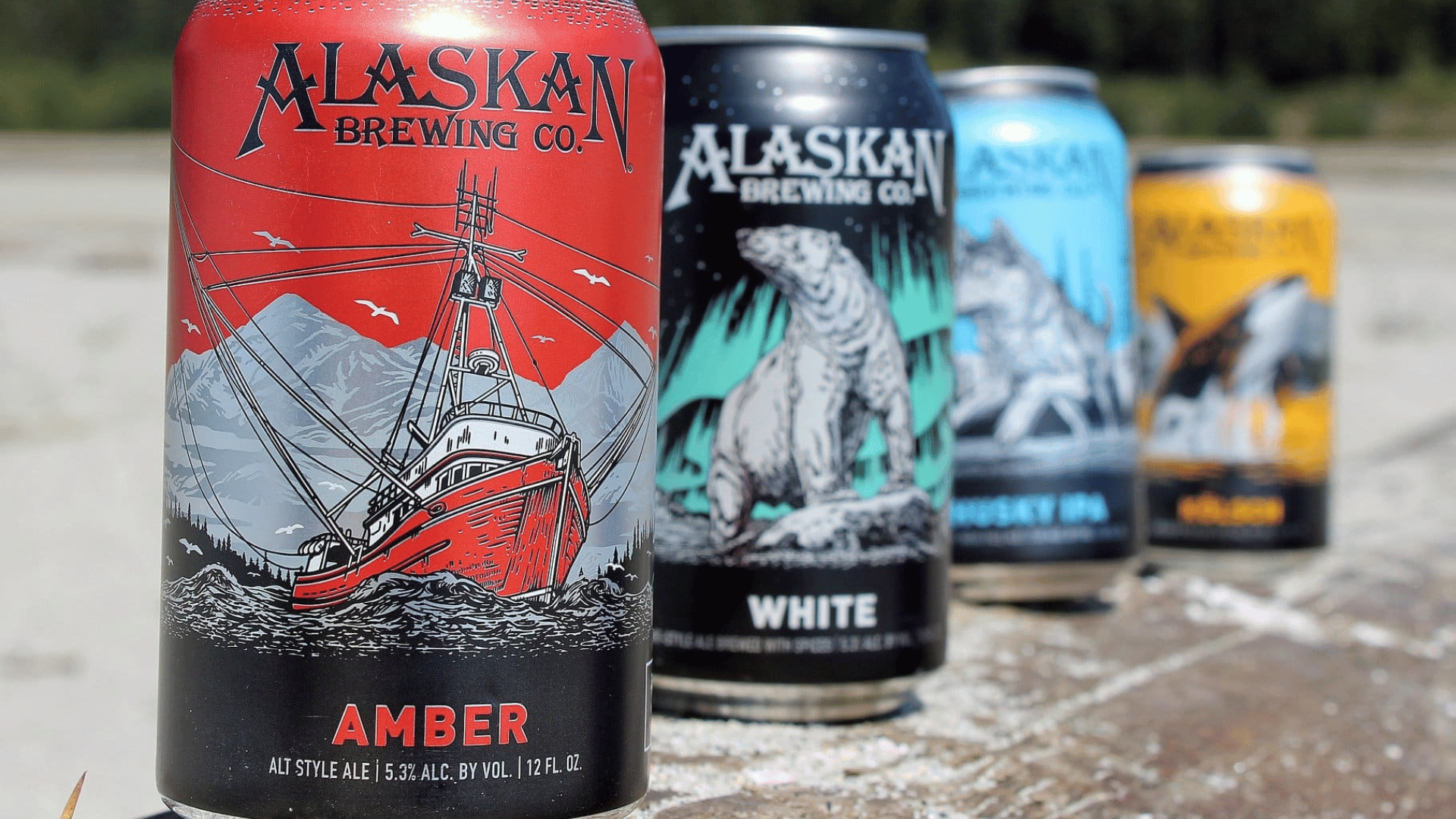
Photo via Alaskan Brewing Co.
Alaskan Amber
You don’t have to travel to the 49th state to try this outstanding beer, Alaskan Brewing Amber, first brewed in 1986, is widely available in the lower forty-eight. This 5.3% ABV alt-style ale is brewed with a mix of two-row pale and specialty malts as well as European and Pacific Northwest-grown hops. The result is a balanced ale that begins with a nose of bready malts, toffee, and floral, earthy hops. Sipping it reveals notes of caramel malts, dried fruits, citrus peels, and floral, piney hops. The finish is refreshing, sweet, and memorable.
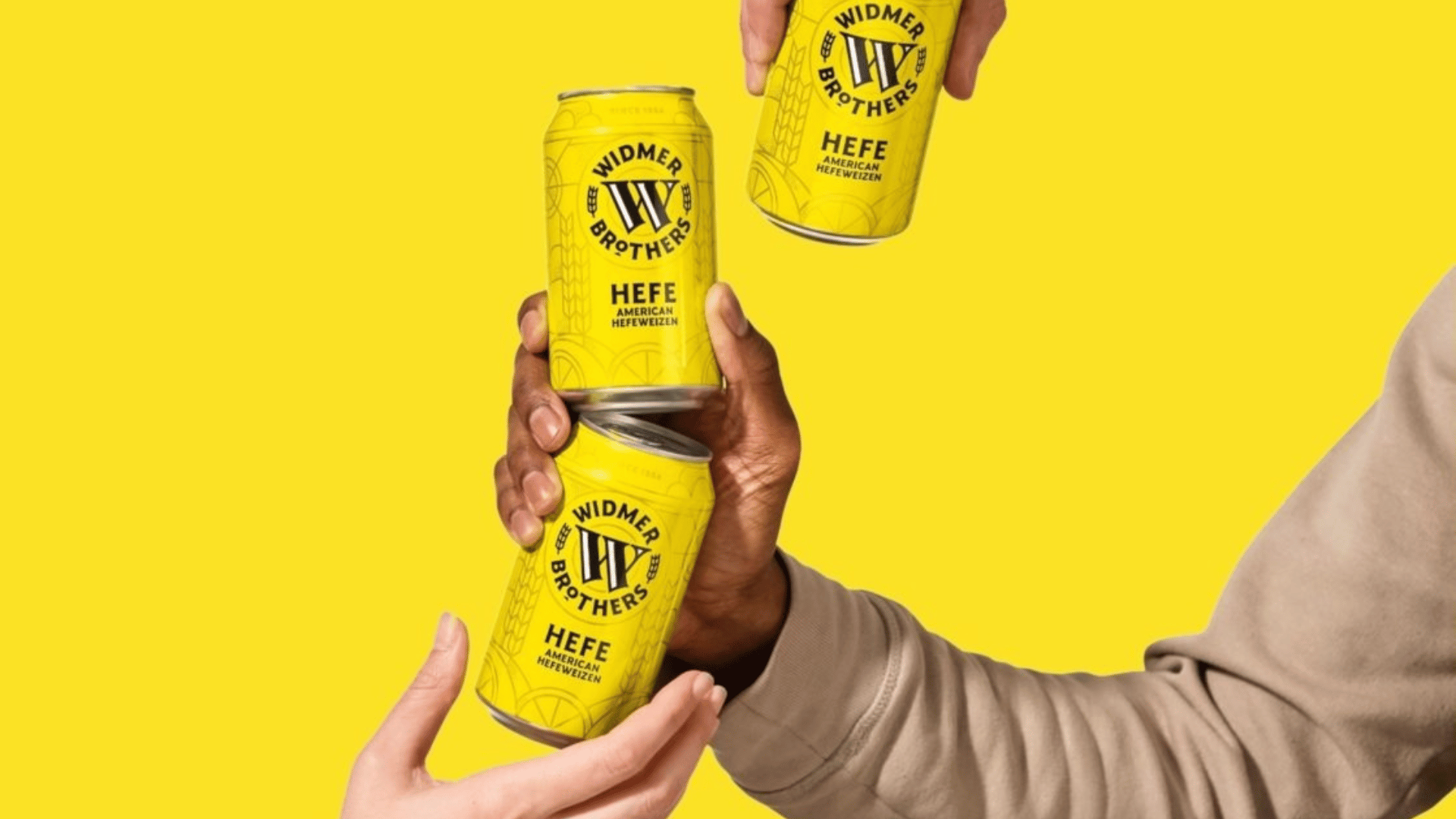
Photo via Widmer
Widmer Brothers Hefe
Who doesn’t enjoy a well-made wheat beer, right? Well, Widmer Brothers has been crafting its award-winning Hefe since 1986. This award-winning, year-round, 4.9% ABV Hefeweizen is brewed with wheat as well as Pale and Extra Special malts. It gets its hop flavor and aroma from the addition of Alchemy, Willamette, and Cascade hops. The creates a complex, cloudy beer that begins with a nose of bread, honey, caramel, and yeast. The palate is a symphony of flavors including orange peels, biscuit-like malts, fruit esters, and yeast. While it’s best enjoyed on a summer day, there’s no wrong time sip this iconic beer.
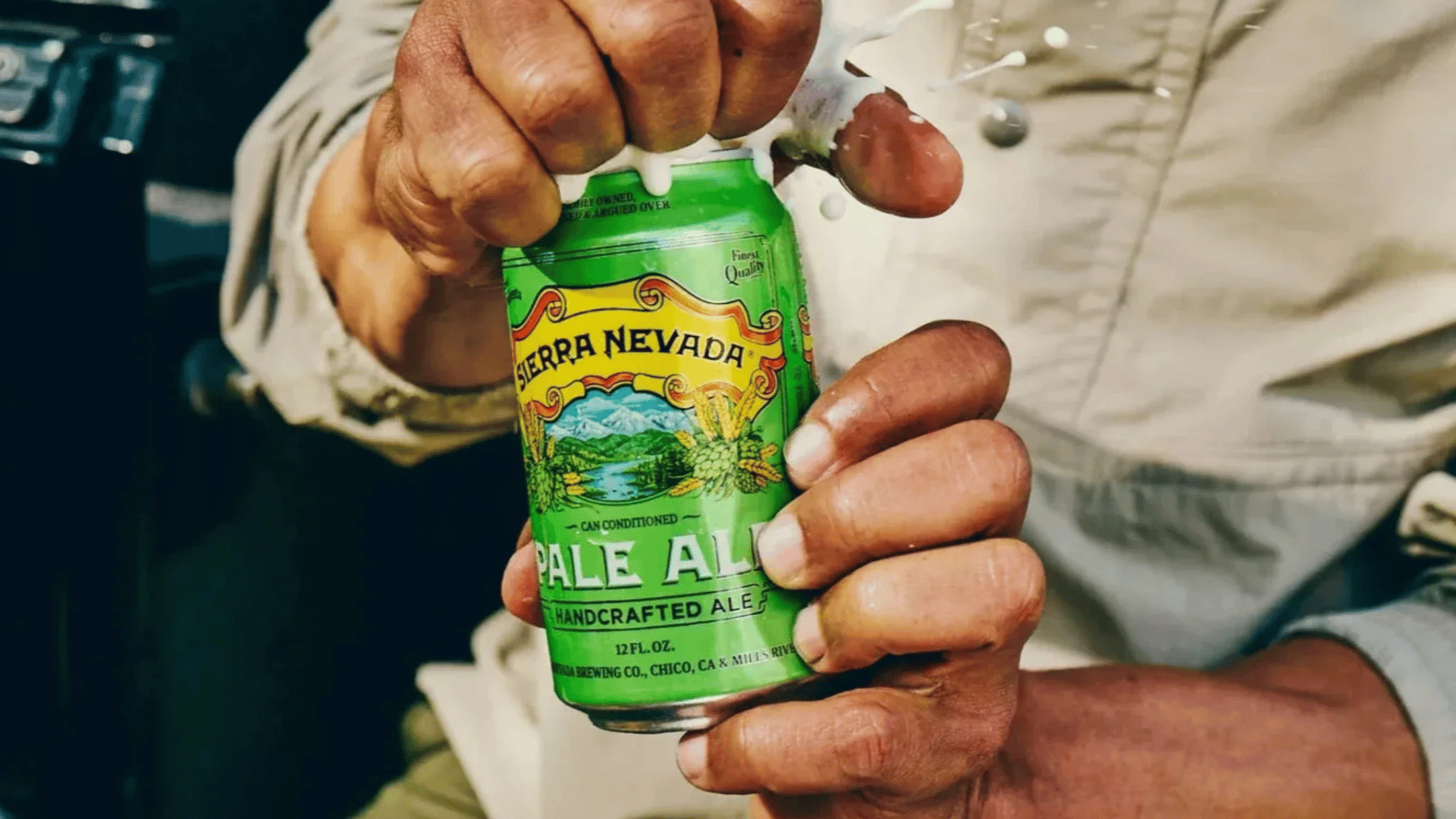
Photo via Sierra Nevada
Sierra Nevada Pale Ale
While the Samuel Adams Boston Lager is popular, it pales in comparison to the overall importance of the Sierra Nevada Pale Ale. First launched in 1981, this beer led to the IPA explosion of the last forty years. This American-style pale ale was brewed with Two-row pale and Caramelized malts as well as ale yeast and Cascade hops. The result is an award-winning, 5.6% ABV beer that begins with a nose of citrus peels, toffee, and dank pine. The palate is centered on citrus zest, caramel malts, and resinous pine. The finish is pleasantly bitter.