When you think of fermentation, you may picture of the process of making alcohol. But if you’re thinking of that funky process of breaking down fruits, vegetables, and other natural ingredients, you’re on the right track. Today, we’re focusing on the role of fermentation in the current cocktail scene.
Fermentation extends beyond beer-, wine-, and spirit-making and now includes building cocktails. Let’s explore how fermentation shapes the mixology scene today.
How are bartenders using fermentation?
Besides the alcohol itself, you might be wondering how fermentation applies to the cocktail world. Instead of simply mixing or stirring cocktails with herbs, fruits, and other basic ingredients, many bartenders are using yeast, bacteria, and other ingredients to ferment them, adding acidity, carbonation, umami, sourness, and other flavors. This elevates a cocktail from a run-of-the-mill drink into an exciting, flavor explosion that you’ll be telling your friends and family about for weeks.
Fermentation can sound intimidating or overly technical, but at its core, it’s simply a form of transformation and preservation that people have been using for centuries.
“In a bar setting, it’s exciting because it encourages both creativity and sustainability,” says Jules Bandy, General Manager and Beverage Director at Hayward in Carlton, Oregon.
“It gives teams an opportunity to reduce waste, deepen flavor, and create something more expressive of season and place. When done well, fermentation adds a sense of craftsmanship to a drink that guests can really taste, even if they don’t fully know what’s happening behind the scenes.”
“Right now, cocktail menus are evolving as bartenders seek new ways to incorporate complex flavors and explore different techniques to extract depth and character from their ingredients,” says Kip Moffitt, Head Bartender at SUPERBUENO in New York City. “Fermentation is one of the main methods leading that effort.”
Culinary and Mixology Work Together to Ferment
Many well-known cocktail bars aren’t just known for mixed drinks, but for mouth-watering food as well. It only makes sense that the culinary and mixology teams would work together to create fermented ingredients for cocktails.
“Often, it begins with a culinary idea, a seasonal ingredient, or a preservation project the kitchen is already exploring, and then we start thinking about how that can translate into a drink,” says Bandy.
“Fermentation gives Matty and Ant, our two-person bar team, another layer of flavor-building beyond just spirits, citrus, and sugar. It allows us to create ingredients with more nuance, texture, and complexity, whether that’s acidity, salinity, funk, or subtle savory notes that make a cocktail feel more dynamic and less one-dimensional.”
When it comes to ingredients, pretty much anything can be fair game depending on the program. The team works with a lot of fruit scraps, juices, syrups, and seasonal produce, often finding ways to extend ingredient life while creating something entirely new.
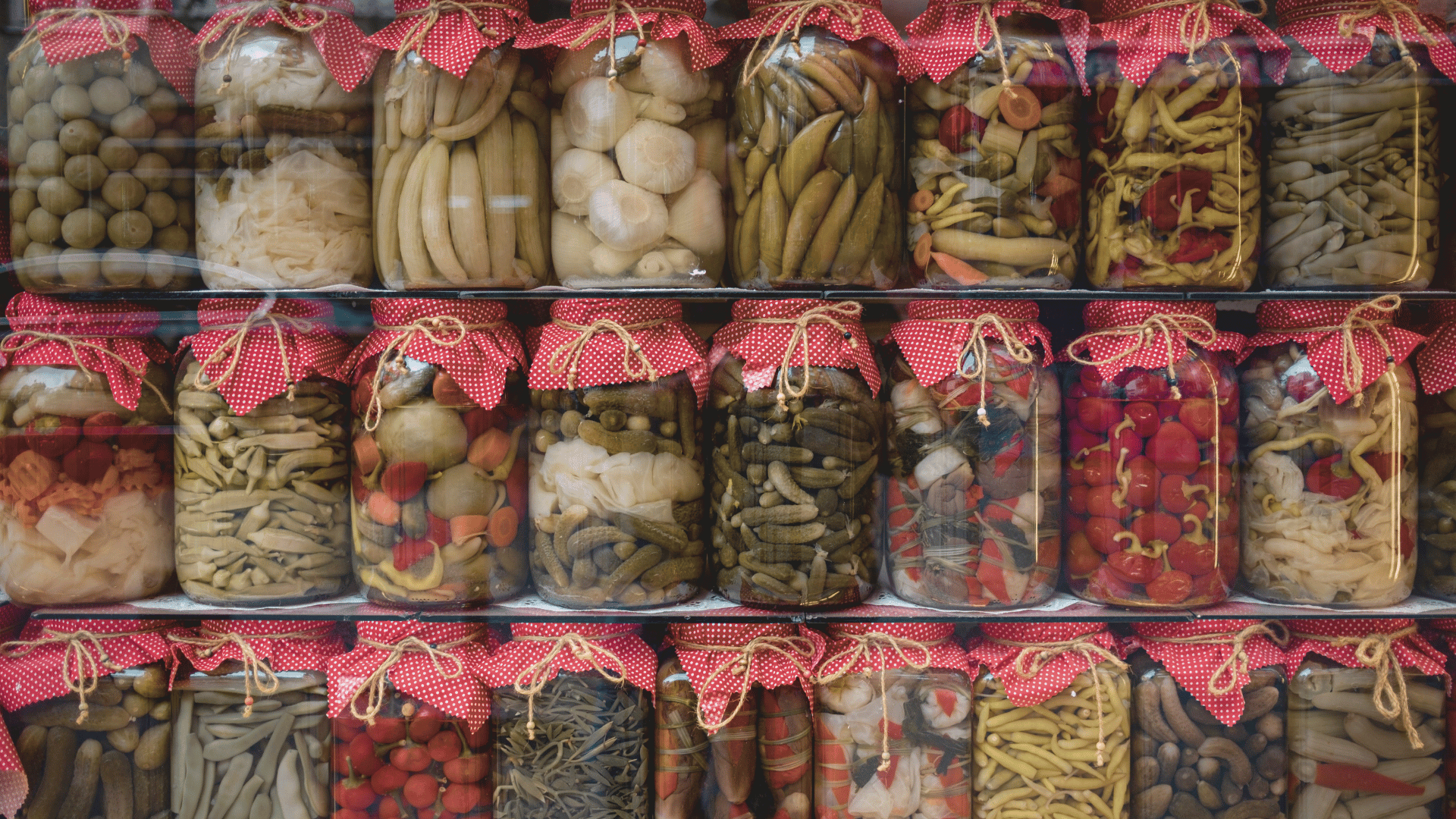
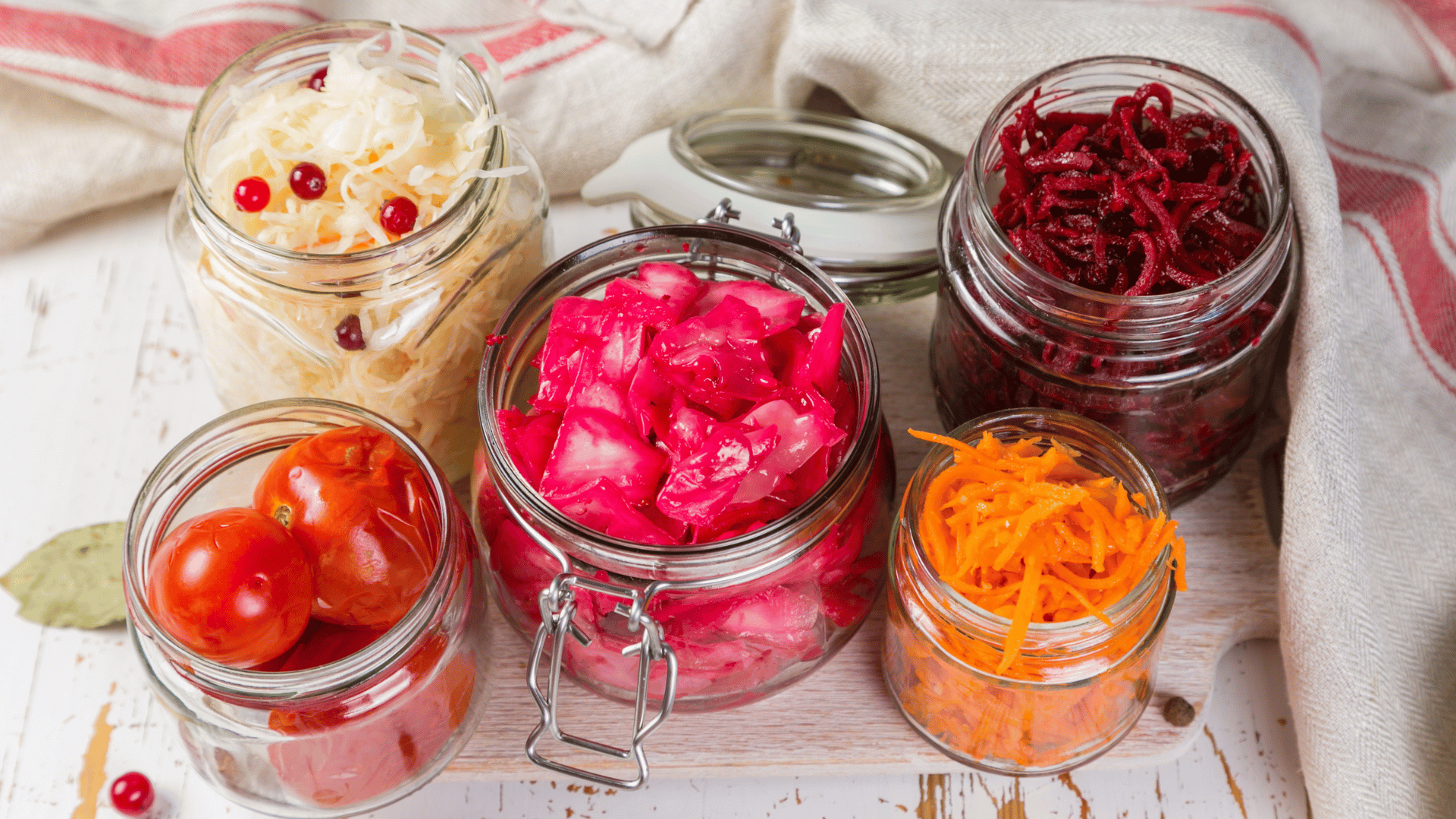
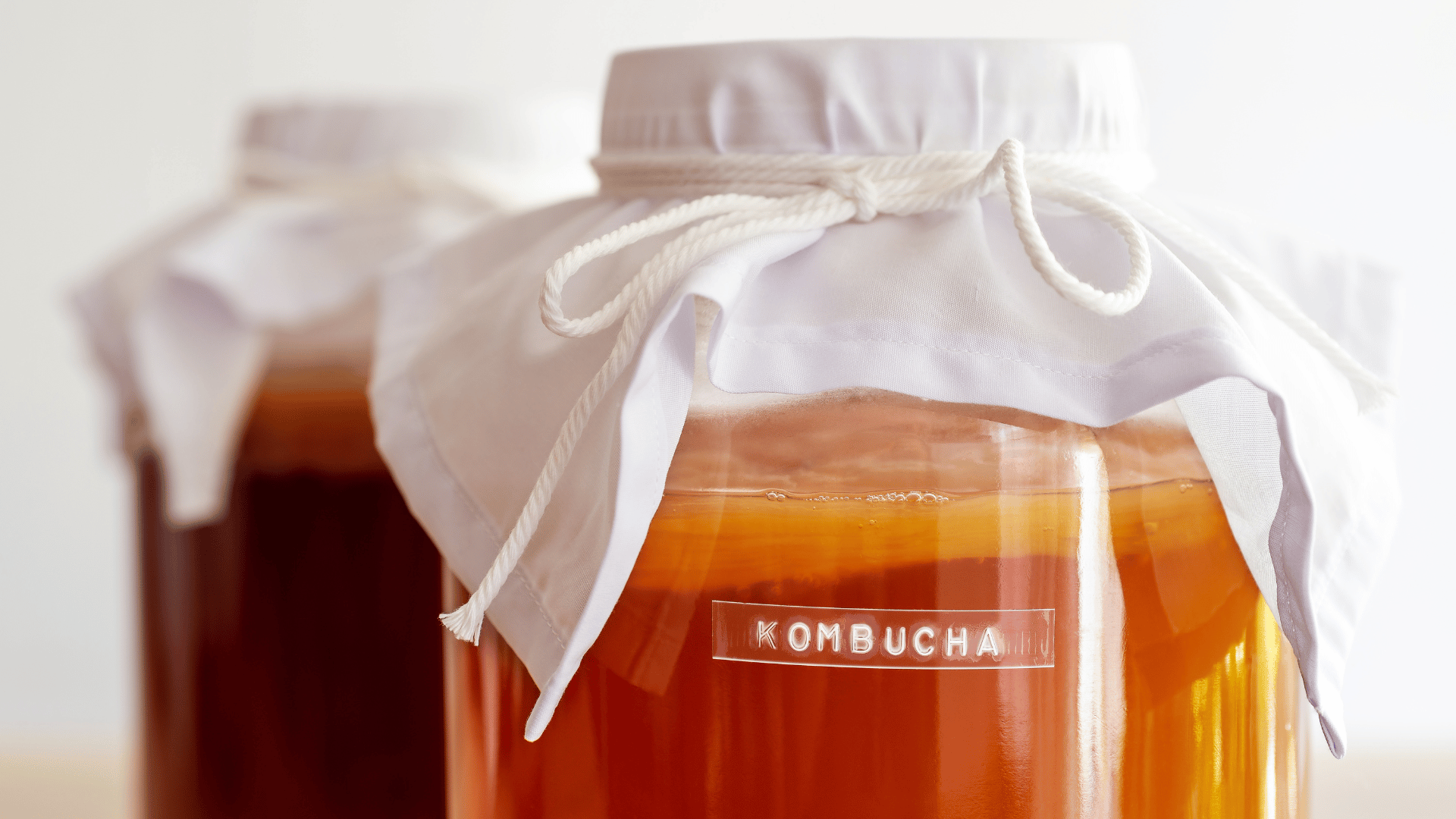
Ingredients like kombucha, kimchi, tepache, and ginger bugs are just a few of the many ferments lending natural funk, fruitiness, and spice to modern cocktails.
“They allow bartenders to offer up something slightly different than what guests are used to enjoying,” says Moffitt.
How Bartenders Are Using Fermentation
Bartenders are using fermentation to add depth, texture, and complexity to their cocktails.
“Rather than layering commercial spirits, bartenders are now coming at it from a chef’s standpoint to layer ingredients and build a drink like a chef would normally build a dish,” says Miley Aryucharoen, Beverage Director at Tomat in Los Angeles. “A lot of bars are borrowing techniques traditionally used in kitchens, like lacto-fermentation, koji fermentation, vinegar making, and natural carbonation.”
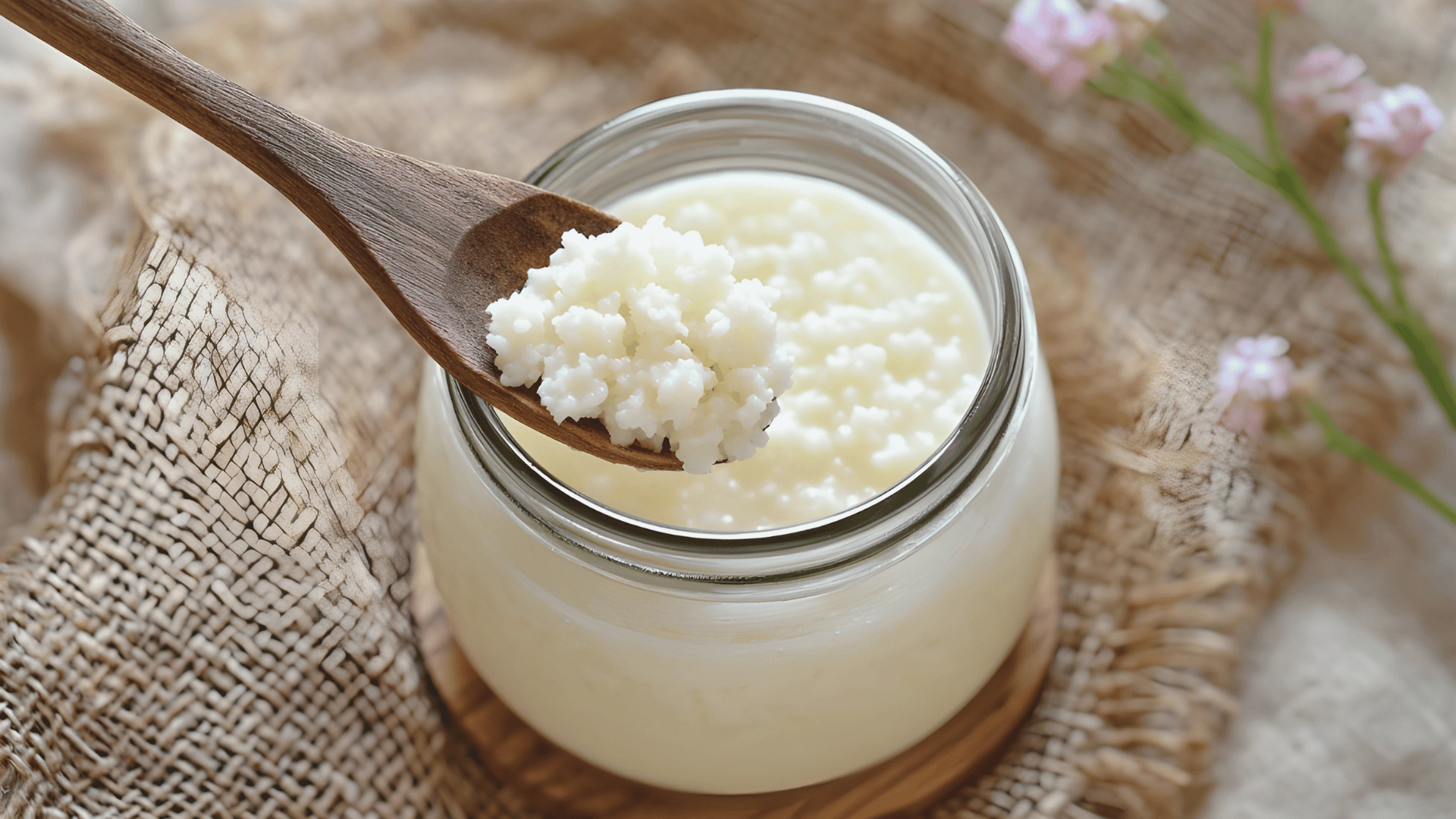
“You can achieve a slight effervescence or bubbly beverage using kefir grain to make water kefir, or a tepache technique, or make kombucha. You can make vinegar using fruits, vegetables, and alcohol. You can ferment pretty much anything with koji. At Tomat, we have bean miso, corn miso, and chocolate miso. Fermentation can sometimes extend traditional flavor boundaries.”
What Flavors Does Fermentation Add?
Fermentation brings complexity, nuance, layer, texture, and balance to a cocktail—contrary to most people’s belief that fermentation only brings sour flavors.
“For instance, amazake can bring a rich, creamy texture and natural sweetness without the need for milk or cream,” says Aryucharoen. “Fermented fruit juices—whether tepache, water kefir, or kombucha—add subtle layers of flavor and gentle acidity that feel more integrated rather than sharp and overly sweet and clashing.”
It’s important to note that fermentation doesn’t necessarily mean sour or funky anymore. There are many fermentation techniques, depending on what you want to achieve.
“We can, for instance, use koji to unlock sweetness by using it to break down sugar (amazake), or you can make miso,” adds Aryucharoen. “You can use a sour fermentation technique, or you can incorporate salt in your ferment for something savorier. For example, we use 2% salt in green apricot for our chamoy, which we currently use in our bar program.”
These techniques are used daily in kitchen and pastry programs. Bartenders are increasingly stepping outside traditional practices, whether in the name of sustainability or to create something not commonly done behind the bar.
“Fermentation helps broaden the horizon and unlock a new level of creativity.”

Fermentation Is Far From New
Moffitt added that fermentation is nothing new, and it only makes sense that it would be incorporated in the mixology world.
“Fermentation is as old as civilization itself,” he says. “There is an infinite number of cultures and centuries-old preservation arts that bartenders are deeply experimenting with and bringing back into the mainstream.”