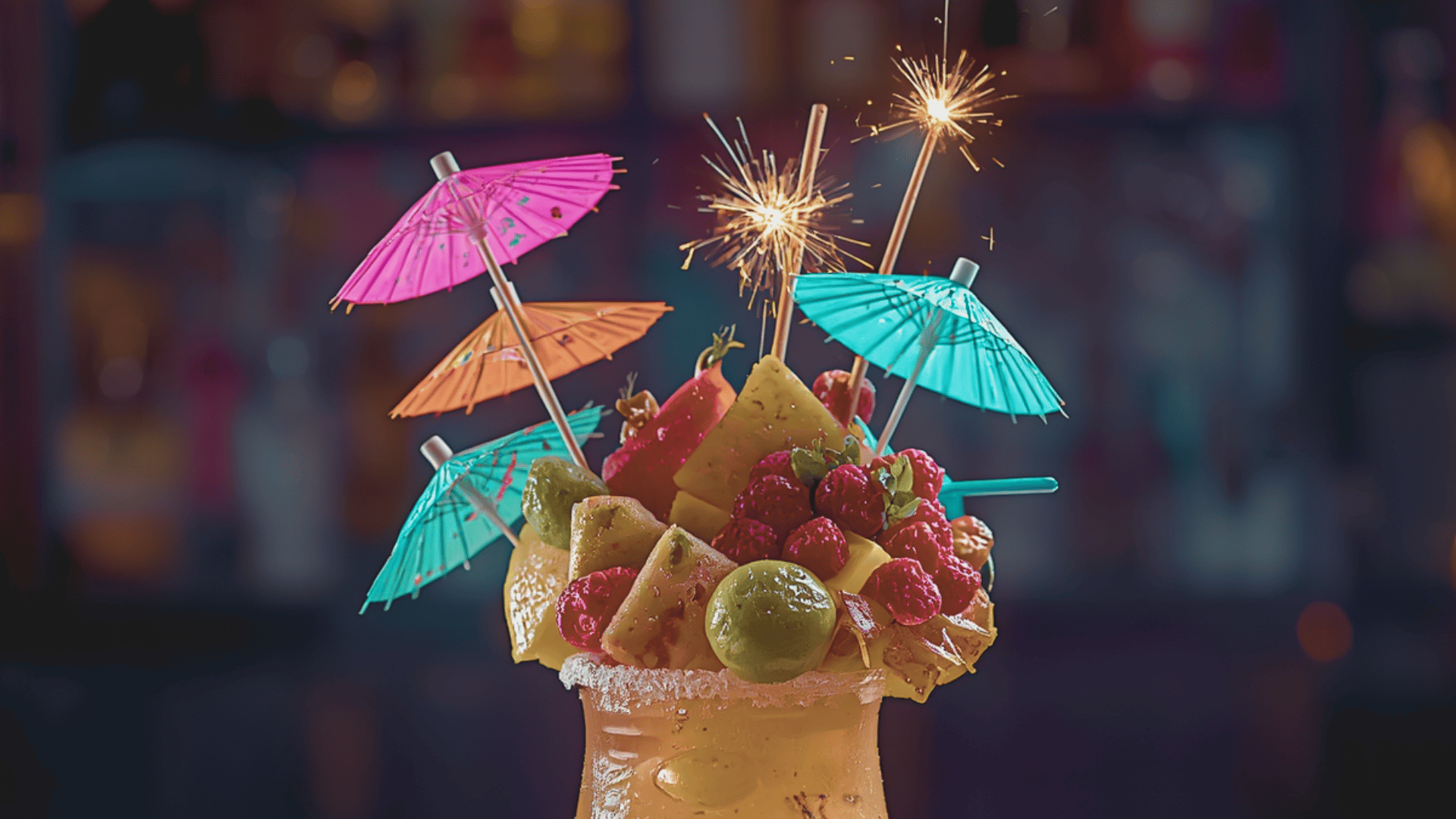
If you’re a fan of over-the-top garnishes (epic Bloody Mary, anyone?), you might not be happy with a new trend in the cocktail world. Maximalist cocktails are out. Minimalist drinks are in.
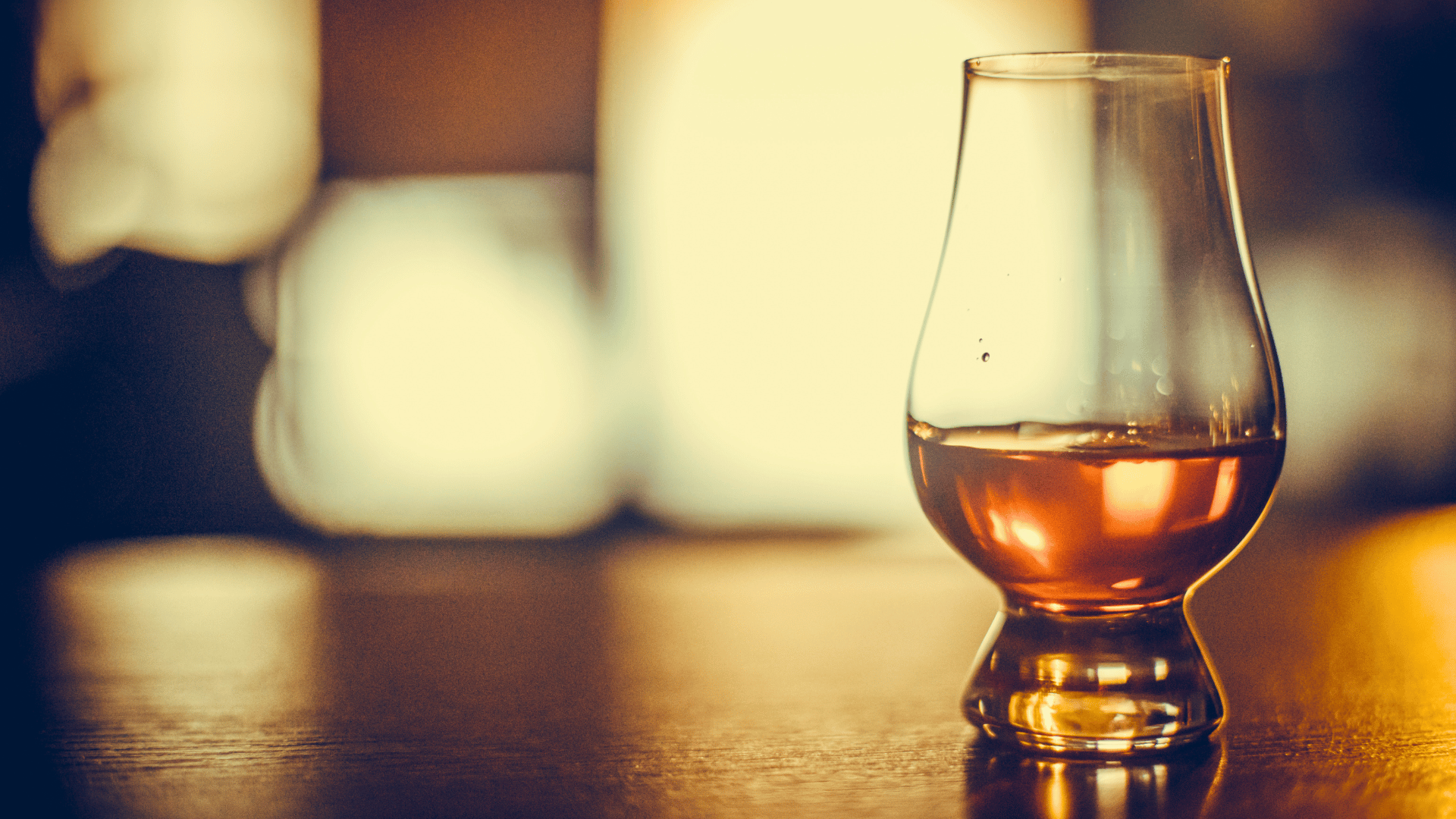
The minimalist trend is exactly as its name suggests. Fewer ingredients and garnishes that enhance aromas, balance the drink, and help with the overall layering/flavor experience without overpowering it.
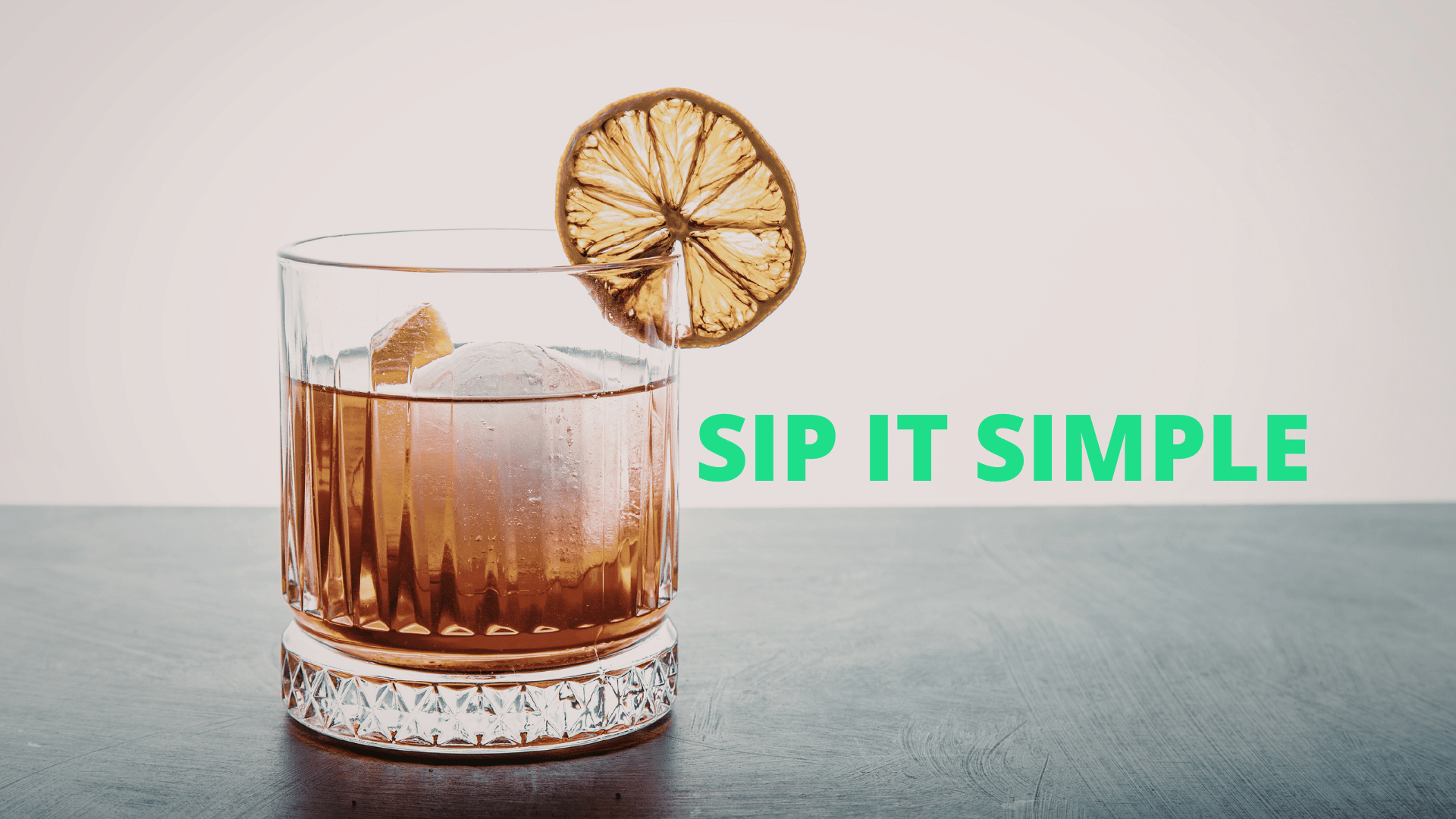
This includes things like dehydrated fruits and herbs, dusting with spices, and other flavors that enhance the aromatic and taste experience. This creates a much cleaner overall presentation and lets the spirit shine as opposed to piling on the flavors and having the spirit disappear in the background.
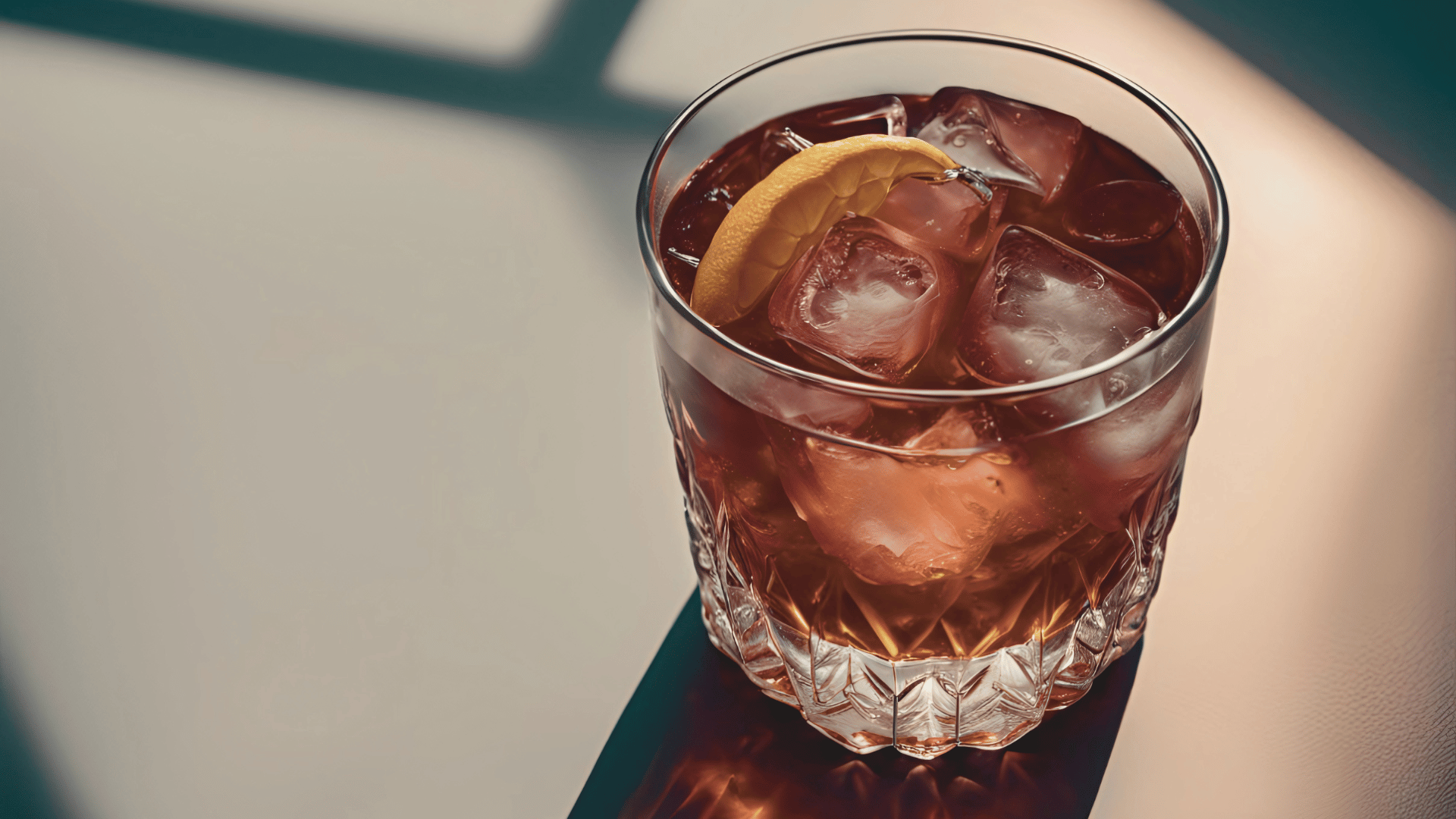
“For cocktail programs, this means getting the foundation right first—glassware, ice, balance—before introducing over-the-top presentation,” says Brian Masilionis, Senior Director, Channel Insights, National Accounts On-Premise, Southern Glazer’s Wine & Spirits.
“Those ‘maximalist’ presentations still have a role as we’ve seen in previous Liquid Insights Tours, but typically as one or two unique drinks that can be executed without compromising speed or quality across the rest of the menu.”
It’s all part of the trend of simplicity over multi-layered, overly complex cocktails. It’s also a return to the basics with an emphasis on authentic, classic flavors without any pomp and circumstance (think quality over quantity). Cocktails don’t need to have ten ingredients battling for flavor and aroma supremacy and four garnishes that are more of a hindrance and distraction than anything. There’s a reason why bartenders and drinks are embracing simplicity. When then garnishes and ingredients are perfectly curated, the drink makes the most impact.
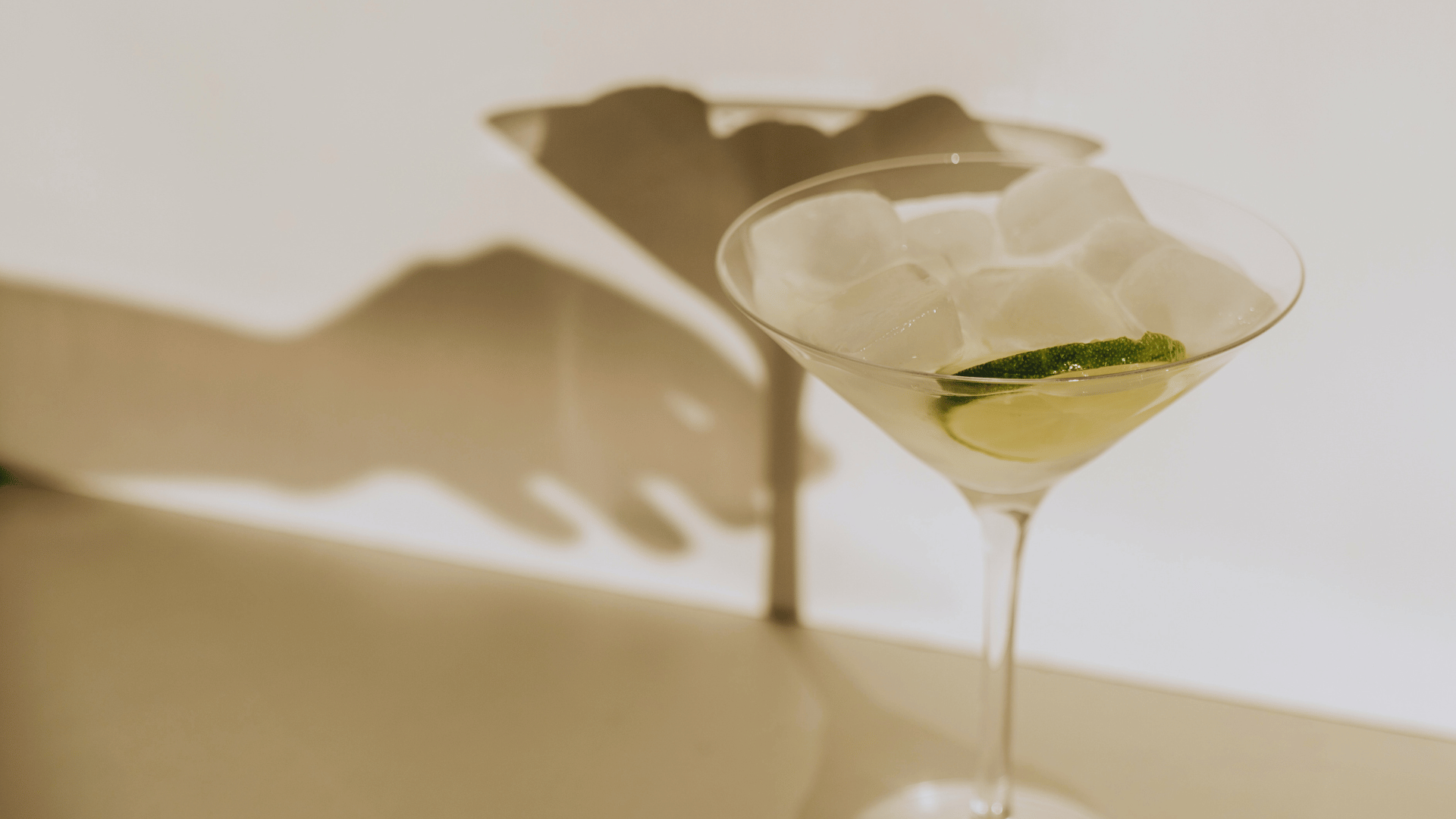
For a little background, classic minimalist cocktails include drinks like the Old Fashioned, Manhattan, Daiquiri, Negroni, and Gin Gimlet. These are drinks made with only a few flavors and very few garnishes. Everything is in its place, and all the aromas and flavors work together in perfect unison.
“Our understanding of minimalistic cocktails would be that it’s a move away from overly conceptual and ornate cocktails, stripping drinks back to understated serves that rely on efficiency of execution and delivery of flavor,” says Alex Francis, Co-Founder, De Vie in Paris.
Frederic Yarm, a USBG bartender based in Somerville, Massachusetts, says the minimalist cocktail trend is easily described as a return to the classics, with simpler builds, fewer ingredients, and less ornate garnish.
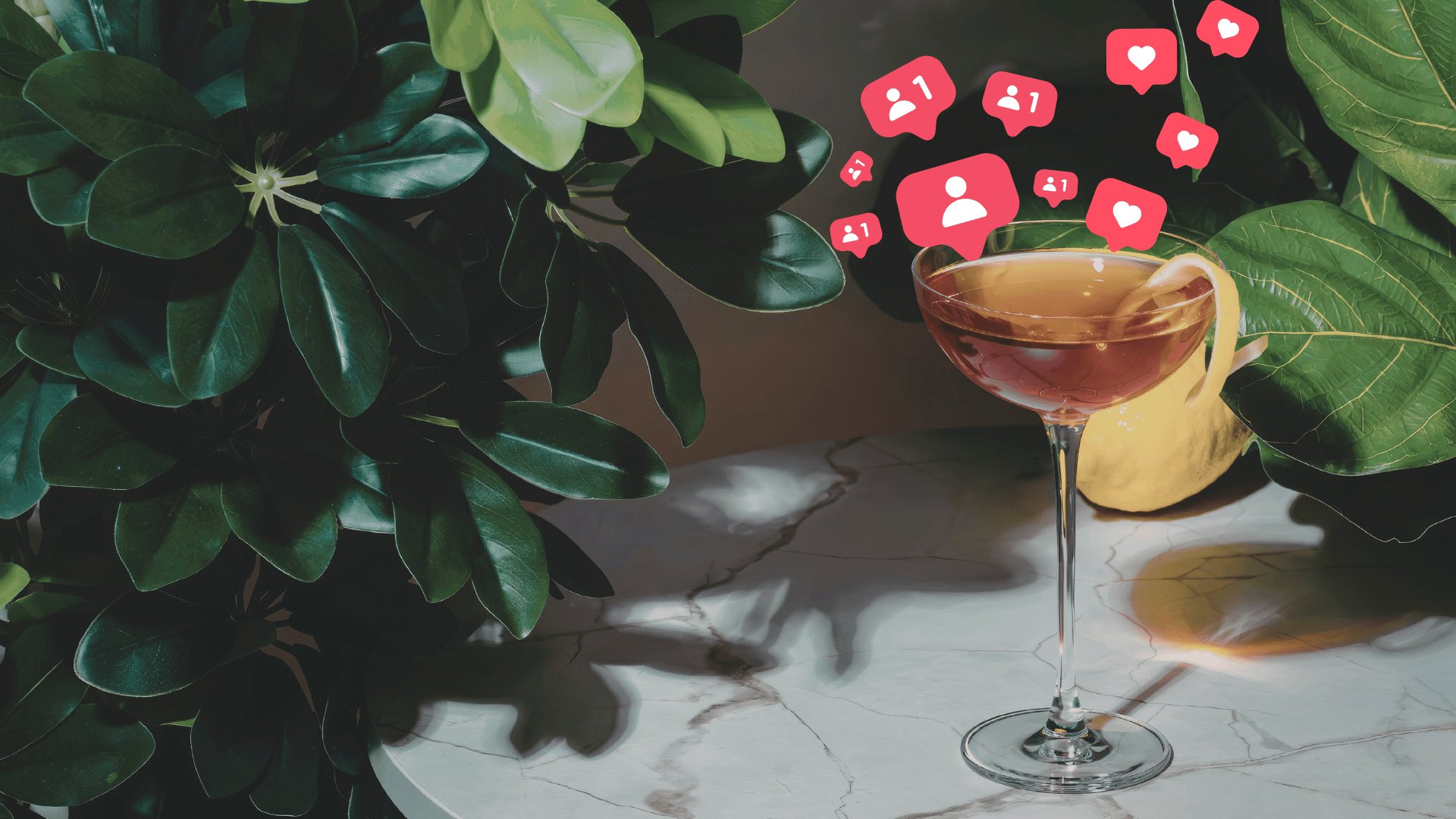
“It is a focus on striving for timeless elegance over an Instagrammable moment or one that cannot be reproduced without a day or two of prep work.” He adds, “Minimalist cocktails allow the spirit to shine through more than the medley of modifiers often added to more baroque cocktails. This allows for a sense of luxury when higher-end spirits are used and can stand out, or for artisanship when a local craft spirit is put on a pedestal to be appreciated.”
This trend’s evolution is due to a response by drinkers to a variety of other, over-the-top mixology trends from the past decade.
“The one-upmanship for awards via complicated ingredients, culinary-driven philosophies, and artistic presentations has taken the drink itself from being timeless to something that you want only once,” says Yarm.
Why Is It Trending in 2026?
You might be wondering why exactly minimalist cocktails are trending in 2026. It all goes back to the early days of the 2000s cocktail resurgence. This is when we reached a point where one tiny tweak to a classic justified giving a drink a brand-new name.
“Swap the orange liqueur in a Margarita for yuzu liqueur, slap on whatever Wu-Tang track title your iPod served up, and boom—you had a ‘new’ cocktail in 2003,” says Scott Stroemer, beverage director of Galit in Chicago.
“Today, I’d call that something like a minimalist cocktail. A Margarita with a thoughtful, simple twist. Maybe you add ras el hanout because you’re a Mediterranean-leaning restaurant—that’s still a Margarita, just one with a touch of what makes your place special. The framework is familiar; the creator adds a unique element. The guest orders it, enjoys the yuzu and ras el hanout, and then decides what to eat. Minimal not just in ingredients, but in how cleanly the guest can move through the experience.”
Francis believes there’s another very simple explanation.
“Cost of living has a lot to do with it,” he says. “Hospitality is feeling the pinch as much as any industry, and so when trying to keep cocktails affordable and profitable, over-the-top garnishes and vessels are an easy choice to cut costs while preserving value and quality.”
Another reason is that in recent years, there’s been a proverbial arms race for more abstract and culinary cocktails, as well as for Instagrammability to get the most press.
“However, the bars that people go back to instead of going once and taking the photo are the ones that are striving for a return to the basics and the classics,” says Yarm.
“In a time when drinks are approaching $20 (or in some places they have surpassed that, not to mention tax and tip), being confident that what they are ordering will be enjoyable instead of something that sounded good on paper and may regret later is key.”
Intentional, Flavor-driven Garnishes
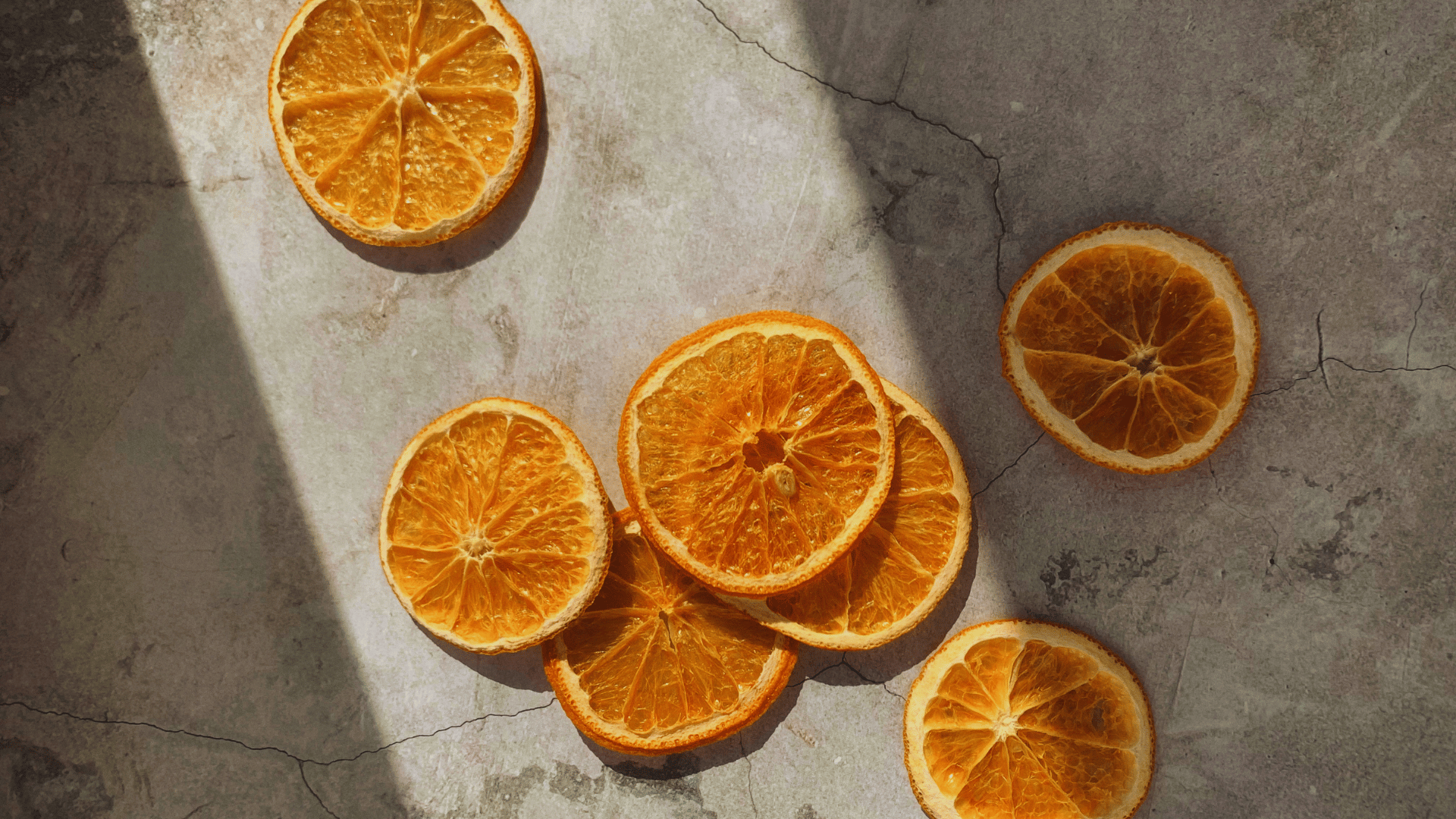
In essence, garnishes have become much more purposeful in a cocktail. Instead of just making it pretty, they’re intended to enhance aroma, texture, or flavor.
“It’s really about keeping things simple but being intentional with every detail,” says Heather Blanchard, F&B Coordinator and Lead Bartender at Virgin Hotels New Orleans.
“Something basic like an expressed citrus peel or fresh herbs can completely change how a drink is experienced just through aroma. One of my favorite options is dehydrated fruits. They add eye appeal and aromatics without changing the balance of the cocktail.”
Minimalist Cocktails and Waste
In addition to using limited ingredients to enhance aroma and flavor, minimalist cocktails also reduce waste.
“Minimalist cocktails naturally cut down on waste because we’re not overusing ingredients or throwing out garnishes that won’t be consumed,” says Blanchard. “Products aren’t sitting on the shelves expiring or being forgotten about. Overall, it leads to a more efficient bar. We’re ordering less, prepping less, and throwing away less, which is better for both the business and the environment.”
So, not only can you feel happy that you’re enjoying a flavorful, balanced cocktail where all the aromas and flavors are working in perfect unison, you’re also doing your part to help the environment when you sip it. Win-win-win.