
For the unaware, an agave spirit is a distilled alcoholic drink made with the fermented sugars of the agave plant. If you enjoy agave-based spirits, there’s a good chance you’ve tried both tequila and mezcal. These are by far the best-known Mexican-made agave spirits.
But while these two spirits (technically, a tequila is a mezcal, since mezcal is the umbrella term for agave spirits) are by far the most popular, they aren’t the only agave-based spirits. And it couldn’t be a better time to try some of the other styles.
Agave Spirits
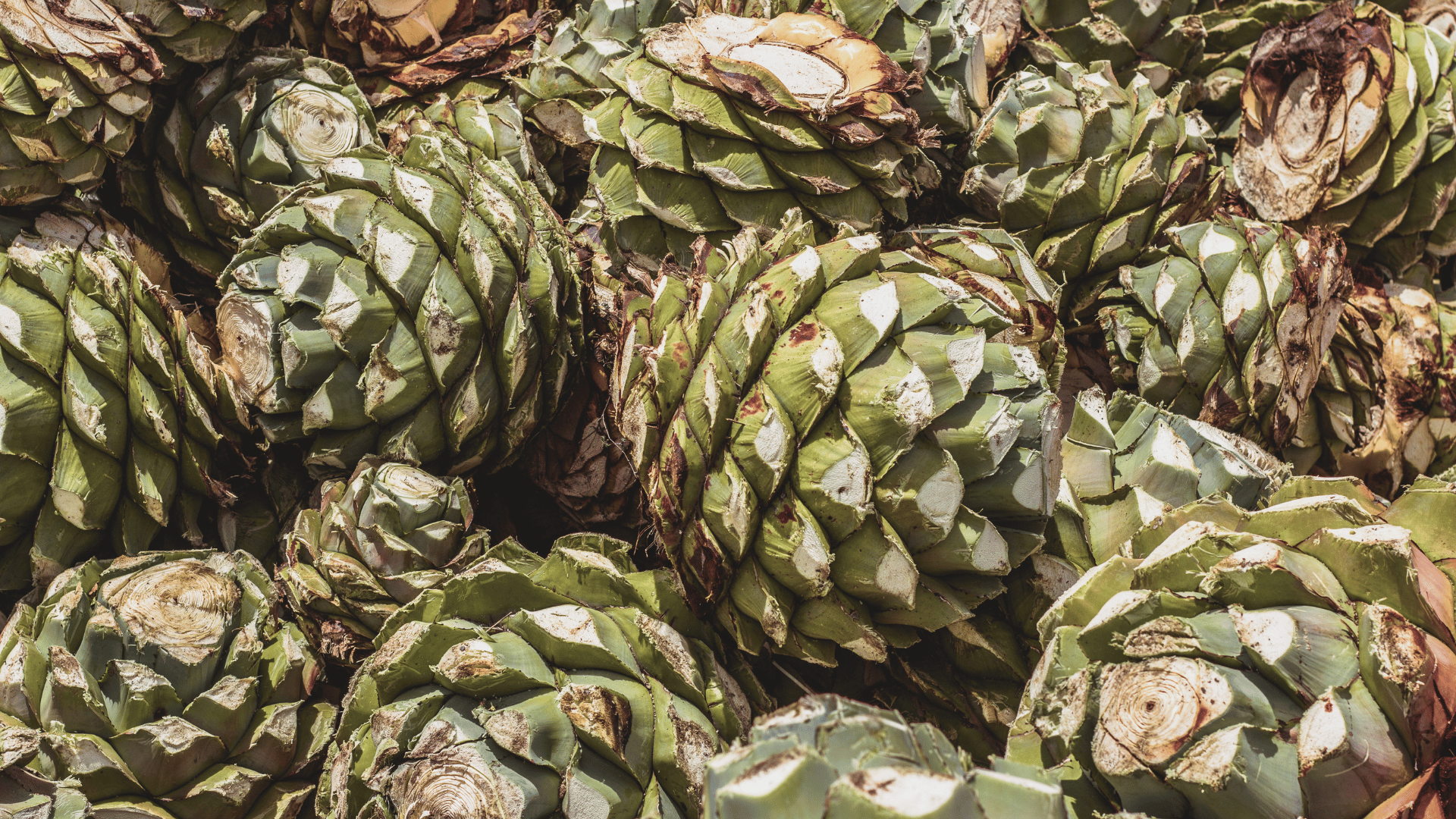
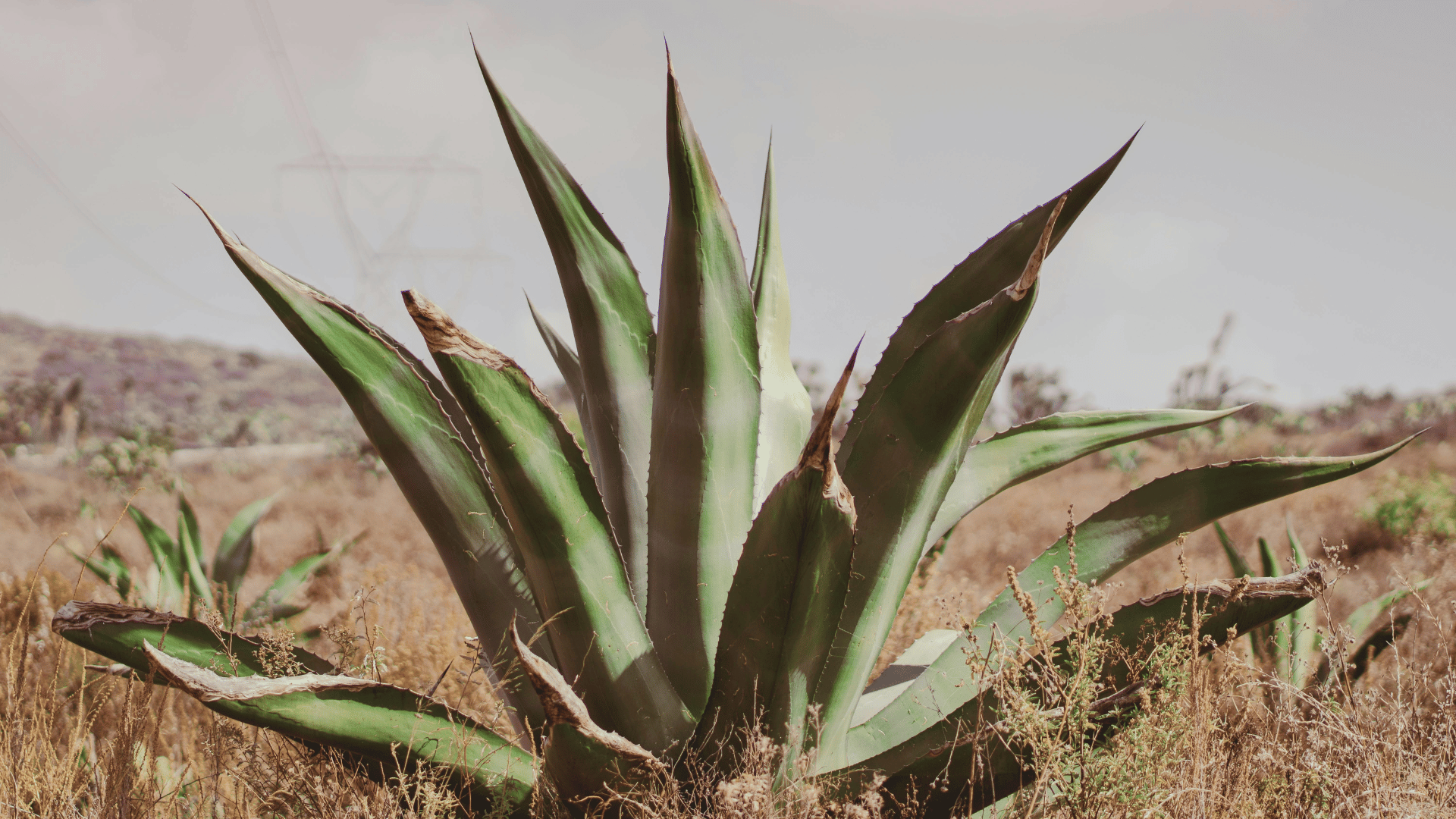
Fans of Mexican spirits (especially mezcal) know that agave, also called maguey, is a type of plant. While Blue Weber agave is the base for tequila, there are around 270 varieties of maguey, with 30 to 50 used to make mezcal.
Agave-based alcohol has been made for almost 500 years, with distillers starting to work with it in the 1500s, right after the Spanish arrival. While pulque had been made for thousands of years, the distillation of what we now know as mezcal began with Mexican colonists.
Agave spirits are most often produced in Mexico (specifically Jalisco), so that’s where we’ll start today. At the top of the agave spirit mountain are tequila and mezcal, sure. But these aren’t the only agave spirits. There are also raicilla, pulque, and bacanora, as well as the recently popular sotol, which is made with a desert plant similar to agave.

Raicilla
Raicilla has been produced for more than 400 years and has a denomination of origin because it can only be produced in the Mexican states of Jalisco (known as “the heart of tequila”) and Nayarit. It’s broken into two types: the coastal version, called de la Costa, and the mountainous version, called de la Sierra.
The name translates to “little root” and began as a nickname to hide the spirit from Spanish taxation. It’s made from wild agave like angustifolia, rhodacantha, maximilana, and inaequidens. Made from the juice of roasted agave piñas, it’s known for its herbal, smoky, fruity flavor profile.
Bacanora
Technically, bacanora is a type of mezcal (just like tequila). While things like tequila and mezcal are produced in multiple states, this traditional agave spirit can only be made in the Mexican state of Sonora.
Also, unlike Blue Weber or other well-known magueys, bacanora is made exclusively from Agave angustifolia (also known as Pacifica). It’s described as having a hybrid flavor between tequila and mezcal, with notes from both. Made by roasting agave pinas in underground pits, it’s known for its herbal, vegetal, smoky, and light flavor profile.
Pulque
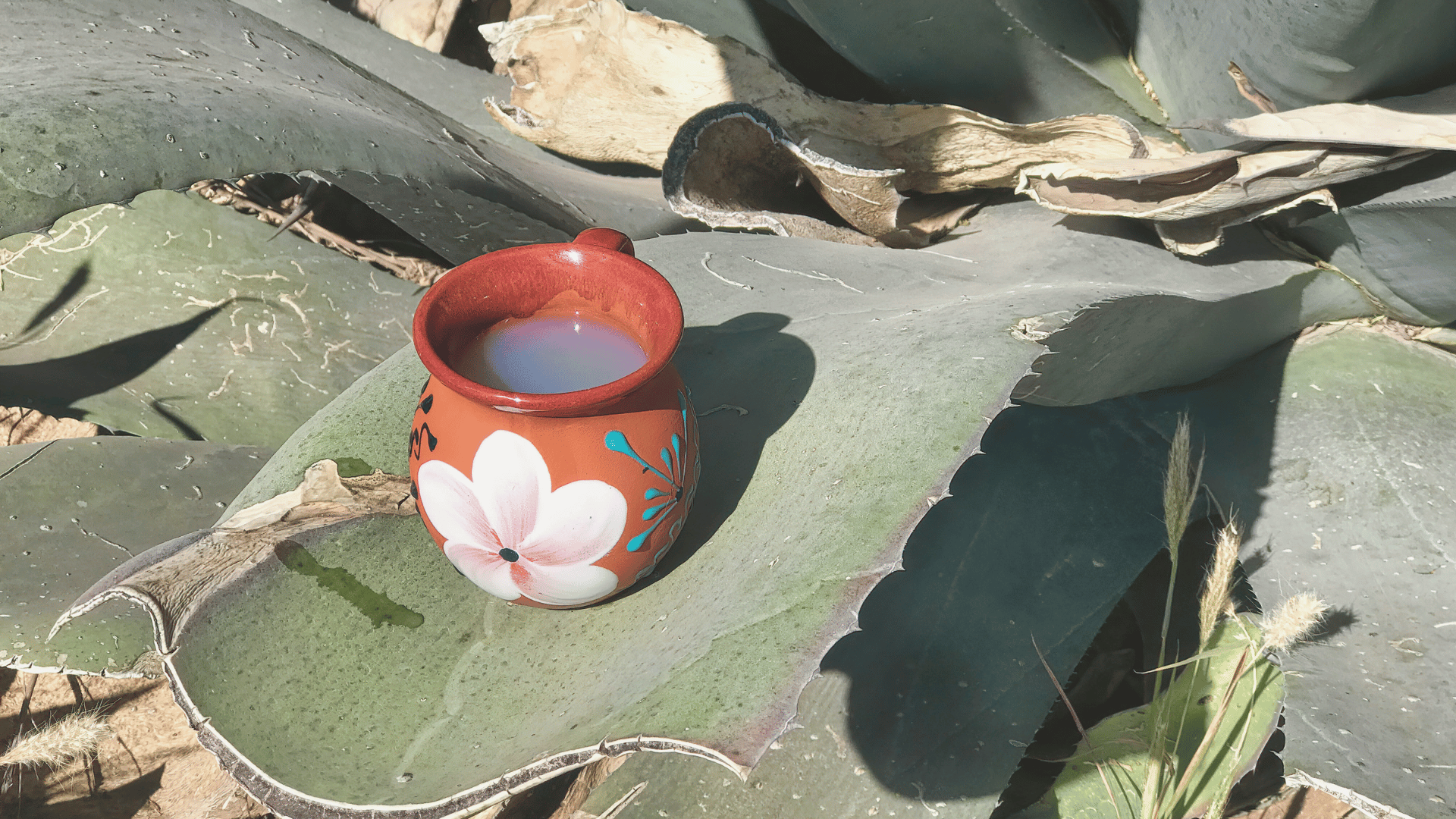
Unlike some of the other spirits on this list, you’re not likely to find a bottle of pulque at your local liquor retailer. But ask around at specialty shops, and you might get lucky.
This traditional milky, gluey, sticky fermented drink has been made in what is now Mexico for more than 2 millennia. Ahem, longer than mezcal or tequila. While other agave-based spirits are distilled, pulque is made by fermenting agave sap (also called aguamiel) from mature agave plants. Imbibed in pulquerias, it’s known for its sour, tart, yeasty flavor profile, making it a bit of an acquired taste for many.
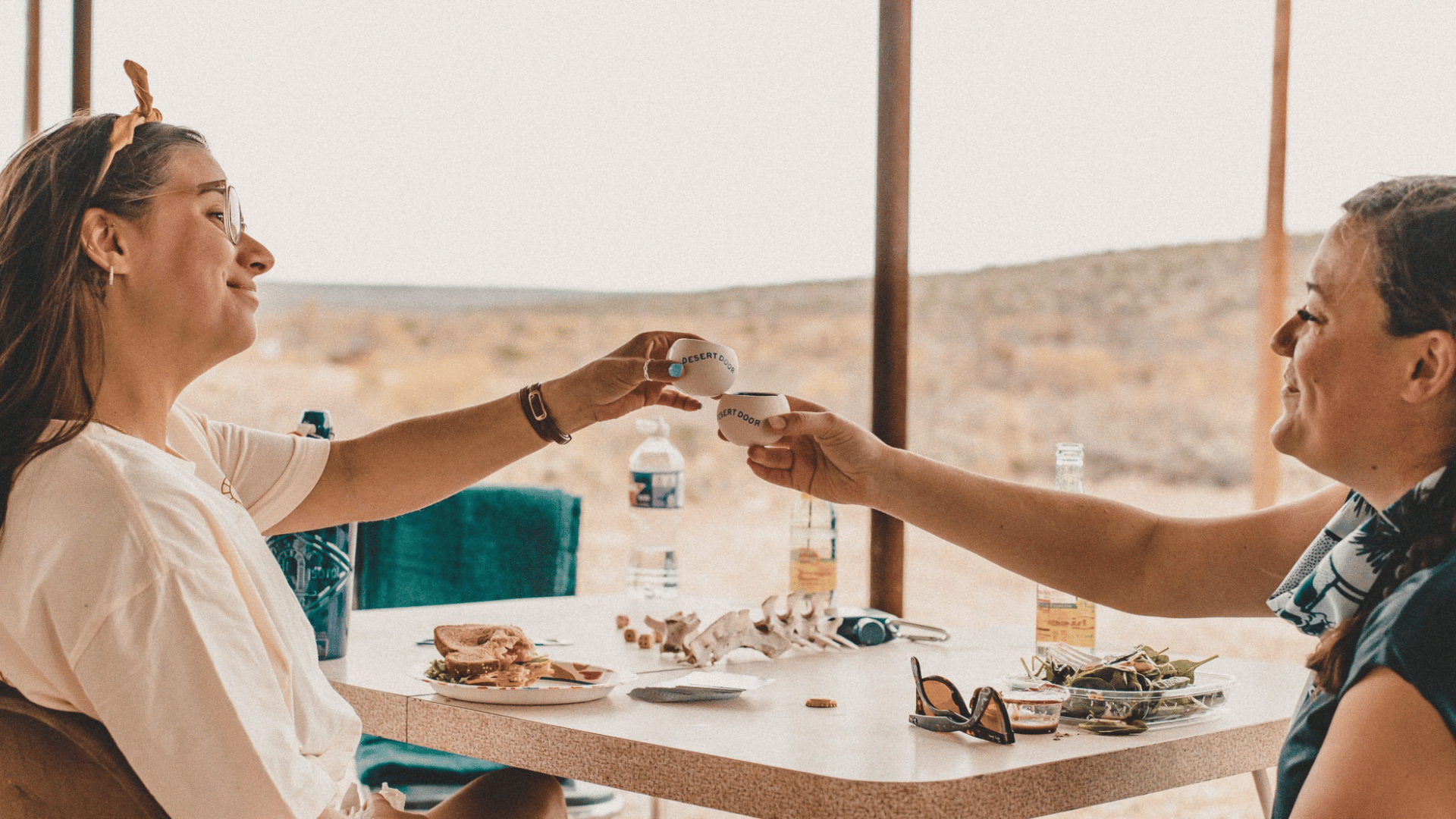
Photo via Desert Door
Sotol
By far the most popular “agave” spirit that’s not tequila or mezcal as of late, sotol isn’t actually an agave spirit. It’s made from the wild-harvested Dasylirion plant (also known as the desert spoon, not to be confused with the dessert spoon). It’s in the succulent family, rather than the agave. Like some of the other spirits on this list, it has a denomination of origin as it can only be produced in the Mexican states of Durango, Chihuahua, and Coahuila.
Similar to mezcal, the desert spoon hearts are roasted, fermented, and finally distilled. It’s also often matured after distillation. The result is a vegetal, herbal, earthy spirit with gentle smokiness. There are multiple sotol brands on the market, including Desert Door, Hacienda de Chihuahua, and others.
Why Try These Agave Spirits?
While you might have difficulty finding some of these agave spirits outside of Mexico, seek them out if you find yourself traveling to any of the aforementioned Mexican states. Also, give sotol a chance if you see a bottle at your local liquor retailer. If you’re a mezcal or tequila drinker (or simply someone who would like to broaden their drinking horizons), it never hurts to get out of your comfort zone and try something a little different.
You’ll be happy you did.