Jameson dominates Irish whiskey for a reason. It’s the best-selling Irish whiskey in the world, shipping more than 11 million cases annually and accounting for roughly two-thirds of global Irish whiskey sales. That means that the search for brands that aren’t Jameson can be a little tricky.
Fortunately, discerning drinkers have options. Ireland now has more than 40 operating distilleries, up from just four in the early 2010s. By law, Irish whiskey should be distilled and aged on the island of Ireland for at least three years in wooden casks, and the category is generally known for a smoother profile, often linked to practices like triple distillation and the historic single pot still style made from malted and unmalted barley.
That definition actually gives the category quite a bit of flexibility and room for experimentation. New distilleries have opened across Ireland, blenders have gotten funky with casks, and traditional styles like single pot still whiskey are finally getting serious attention again. Much of that innovation shows up in the barrel room, where producers are experimenting with everything from fortified wine casks to native Irish oak.
So if you want to branch out this St. Patrick’s Day, here are six bottles that show just how wide, fresh, and freewheeling Irish whiskey has become.
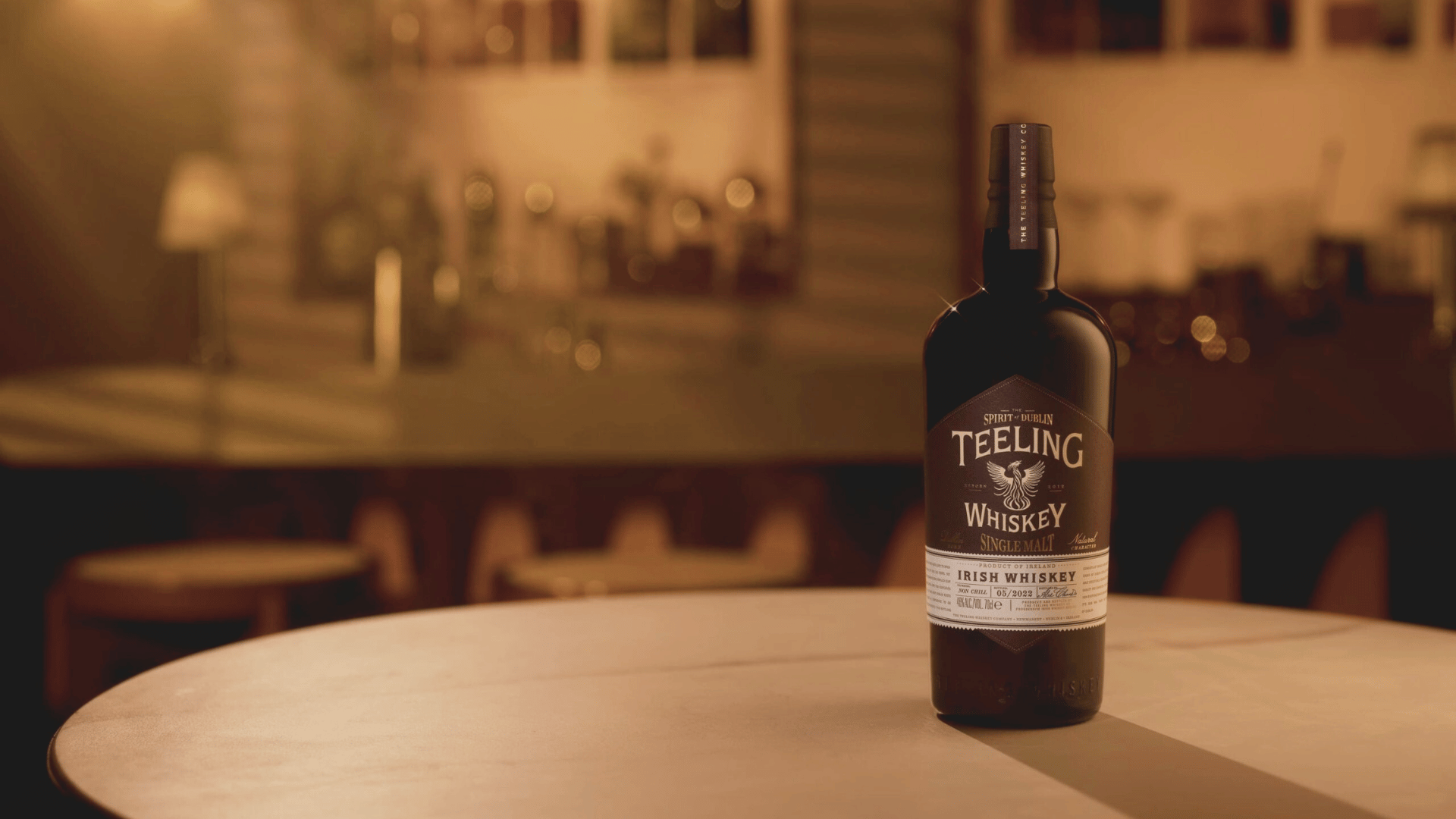
Photo via Teeling Whiskey
Teeling Whiskey
The Teeling family has been part of Irish whiskey for generations. Their earlier Cooley Distillery helped spark the modern Irish whiskey revival, and in 2015 the family opened Teeling Distillery in Dublin, the first new distillery in the city in more than a century.
While the brand first gained attention for creative blends and cask finishes, Teeling has increasingly leaned into single malt in recent years. Today, their whiskey is widely distributed, and they also produce limited collector releases (aged single malts like its 24 and 30-year expressions) that can run from about $500 to several thousand dollars, depending on the bottle.
Suggested bottle: Teeling Single Malt ($50–$60)
Finished in several wine casks, it’s a layered single malt that still keeps the smooth, approachable Irish style intact.
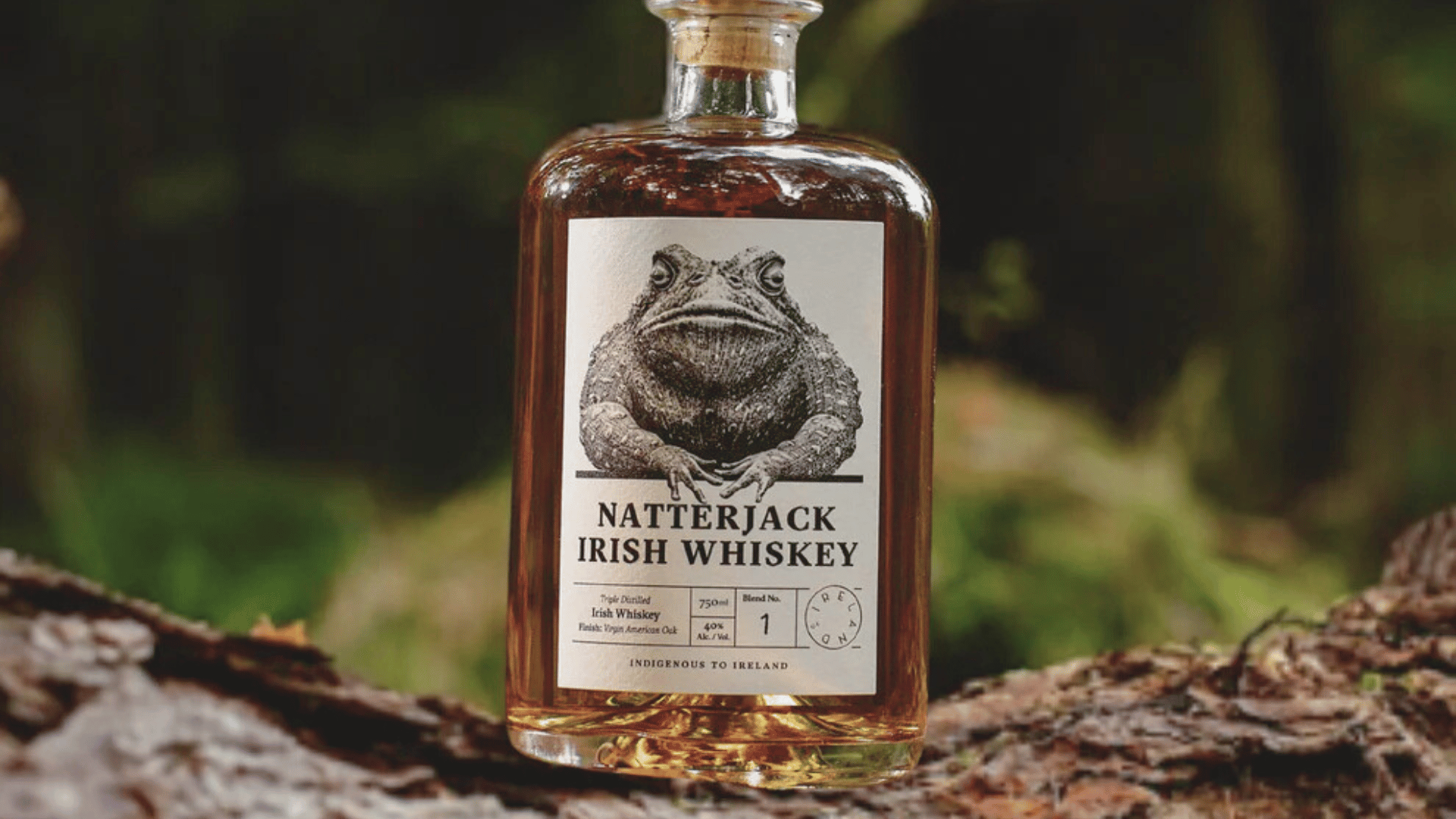
Photo via Natterjack Irish Whiskey
Natterjack Irish Whiskey
Natterjack was founded by Irish entrepreneur Aidan Mehigan, who spent years working in the whiskey trade before launching the brand in 2019. Instead of building a distillery, the company sources Irish whiskey and focuses on blending and finishing it in unusual ways.
Their defining move is finishing the whiskey in virgin American oak barrels, which is a standard in bourbon but unusual in Irish. Distribution has expanded steadily in the U.S., especially in whiskey-forward markets like New York, California, Texas, and Illinois.
Suggested bottle: Natterjack Irish Whiskey (~$40)
The corn-heavy mashbill and new-oak finish make this one of the easiest Irish whiskeys for bourbon drinkers to get into.
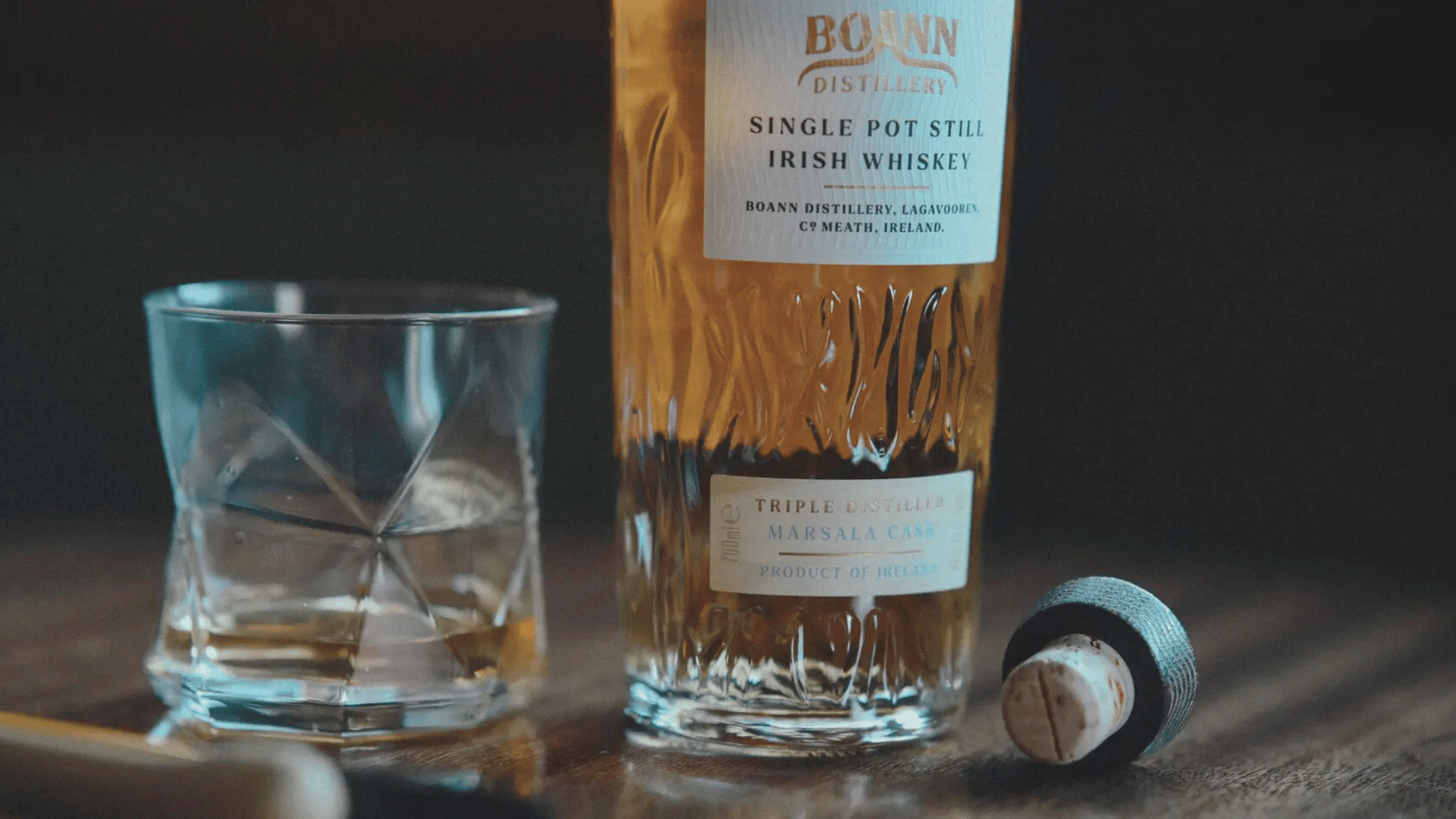
Photo via Boann
Boann Single Pot Still
Boann Distillery opened in County Meath in 2019 as part of Ireland’s new wave of independent whiskey producers. Unlike many younger brands, Boann focuses heavily on making its own spirit rather than relying on sourced whiskey.
The distillery has leaned into single pot still whiskey, a traditional Irish technique. By law, single pot still whiskey must contain at least 30 percent malted and 30 percent unmalted barley, but Boann has been trying out mash bills that revive older Irish practices by including small amounts of grains like rye and oats.
And while single pot still is a hallmark of the Irish style, Boann is also experimenting with wine finishes. Boann is still relatively limited in the U.S., so you may have to do some searching. Though the brand has been expanding beyond specialty liquor stores and whiskey-focused retailers.
Suggested bottle: Boann Single Pot Still Marsala Cask (~$80)
Finished in Marsala wine casks, this modern expression adds layers of dried fruit, honeyed cereal, and toasted nuts to the naturally creamy texture of pot still whiskey.
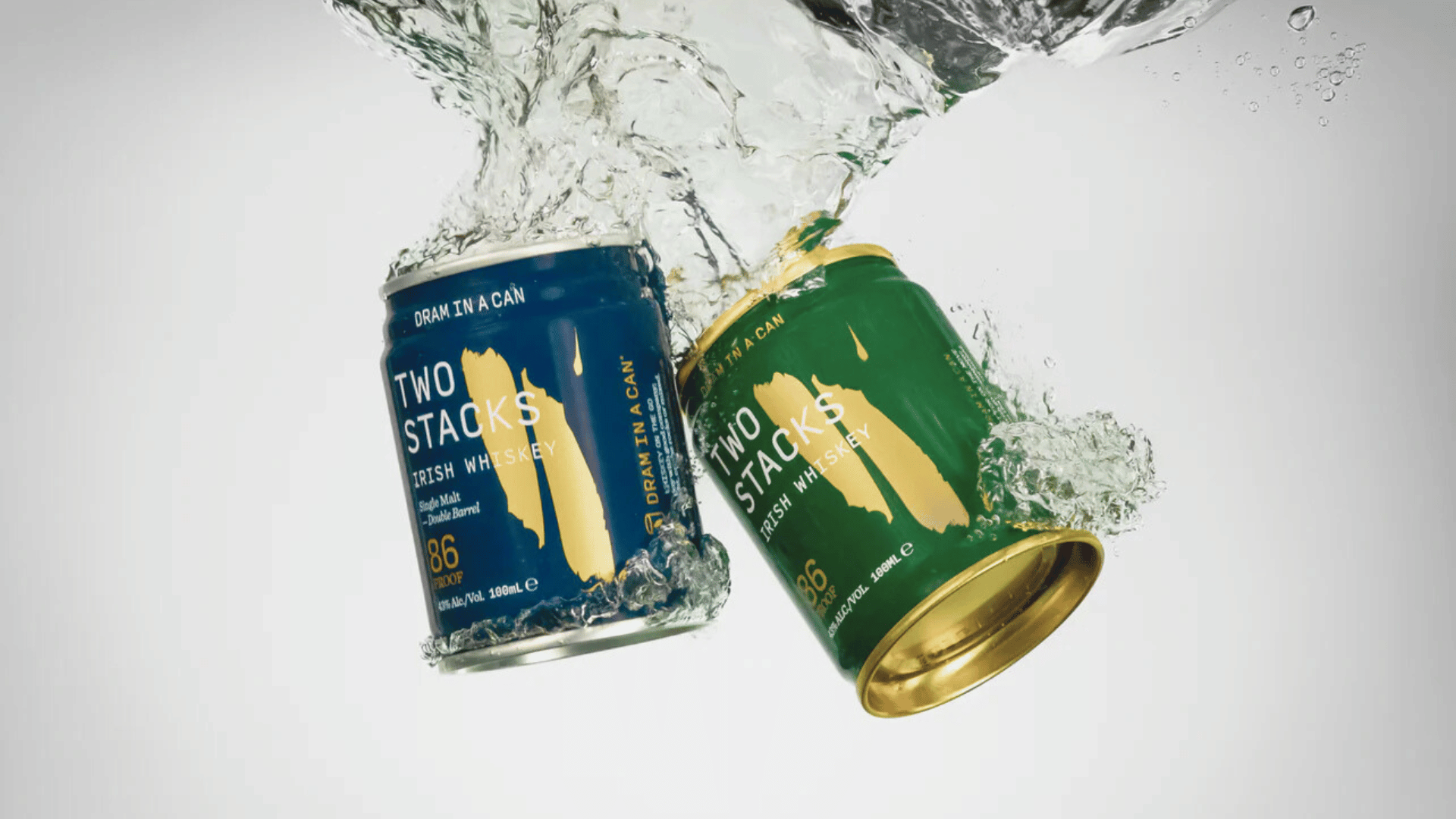
Photo via Two Stacks
Two Stacks Irish Whiskey
Two Stacks revives the old Irish tradition of whiskey bonding, where merchants sourced spirits from distilleries and blended it themselves. The modern version works much the same way—the company buys whiskey from several producers and combines it into new blends.
The company has also experimented with packaging whiskey in 100ml cans, a portable “dram-in-a-can” format meant to make premium Irish whiskey easier to take outdoors, to events, or anywhere a full bottle feels like overkill. That’s the kind of experiment I can get behind.
Suggested bottle: Two Stacks “The First Cut” ($40–$60)
A blend matured in bourbon, sherry, and virgin oak casks that shows how flexible Irish whiskey blending can be.
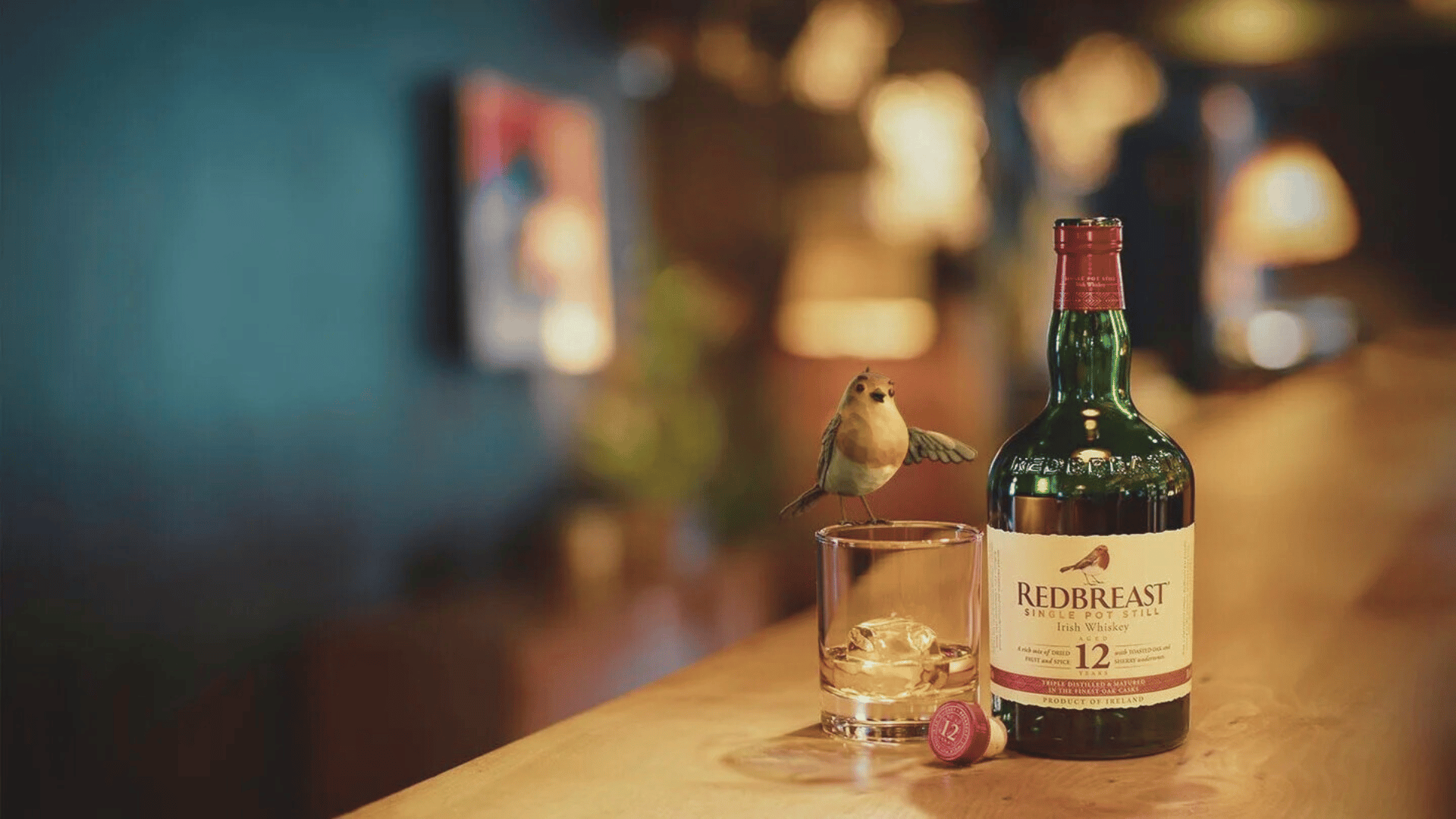
Photo via Redbreast
Redbreast
Redbreast is produced by Irish Distillers at the Midleton Distillery in County Cork, the same facility responsible for Jameson and several other major Irish brands. Even though the juice is made at the same place as Jameson, the brand has its own unique identity. The Redbreast label dates back to the early 20th century and has become the modern reference point for single pot still whiskey, and the production focuses on several well-aged, well-crafted options.
Today, Redbreast is also the largest-selling single pot still whiskey in the world, helping bring renewed attention to the historic Irish style. It’s also one of the most widely available premium Irish whiskeys in the U.S.
Suggested bottle: Redbreast 12 Year ($50-$65)
A classic single pot still expression aged in bourbon and sherry casks, this is the go-to for an entry into the Redbreast universe.
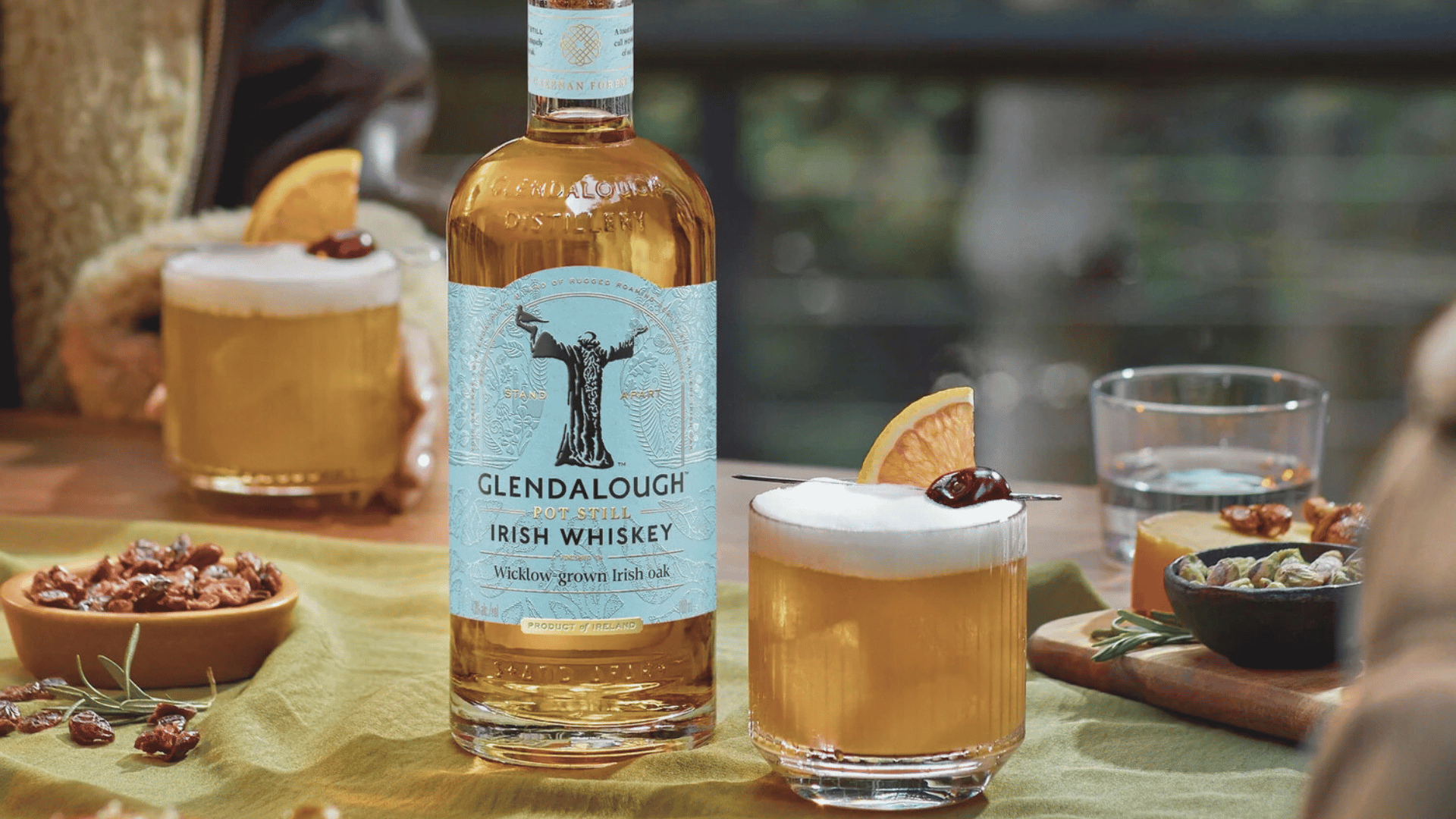
Photo via Glendalough
Glendalough
Glendalough Distillery launched in County Wicklow in 2011 as part of the early wave of Ireland’s modern craft distillery boom. The distillery originally released sourced whiskey while its own spirit matured, but it now produces its own pot still whiskey distilled in Wicklow.
The brand is known for finishing its whiskeys in distinctive casks, including Irish oak and fortified wine barrels, which add extra spice and fruit to the classic Irish profile.
Suggested bottle: Glendalough Pot Still Irish Whiskey (Irish Oak Finish) ($60–$70)
One of the first whiskeys distilled entirely at Glendalough, finished in rare Irish oak barrels that add extra spice and depth to the classic pot still profile.
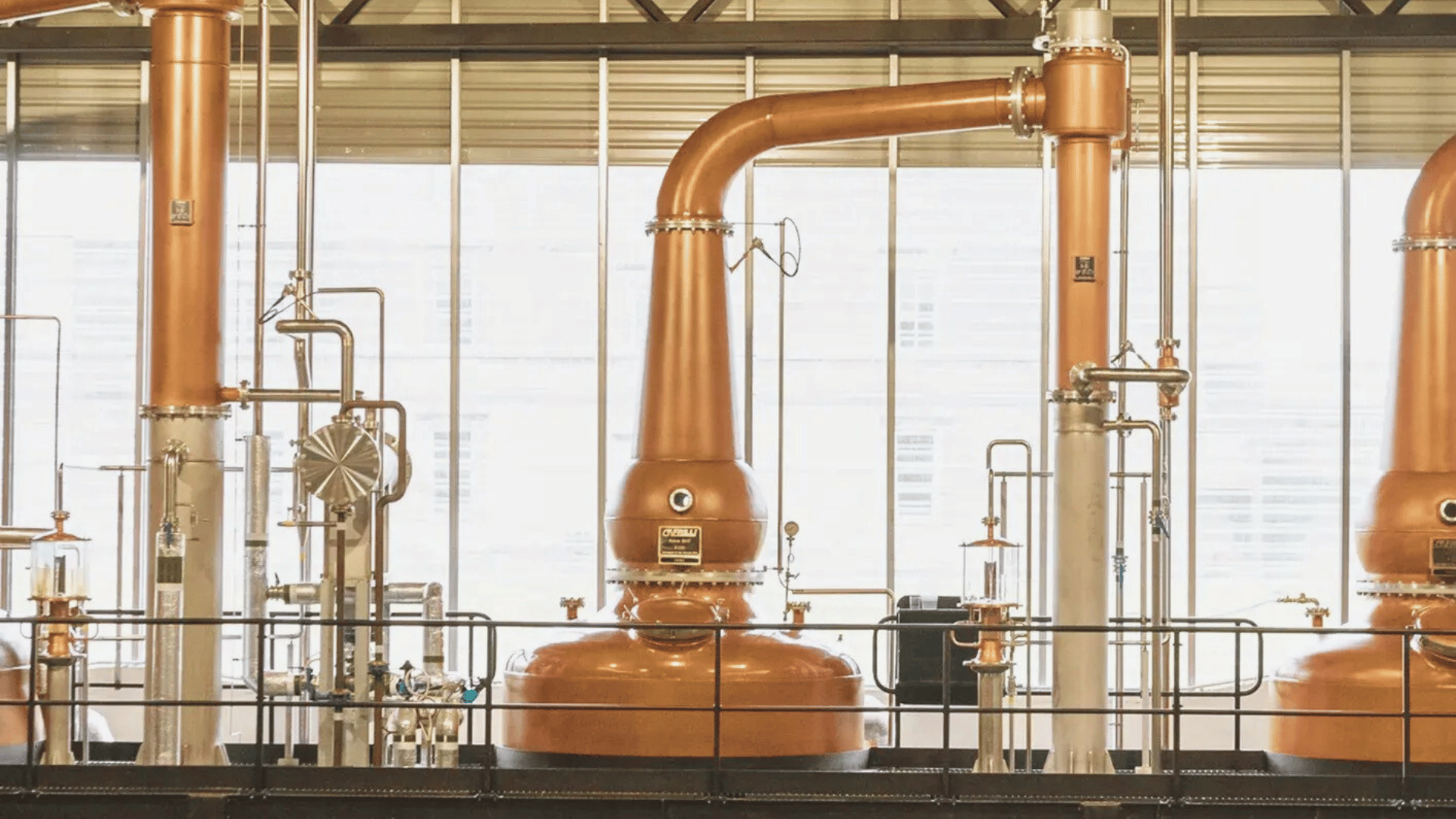
Photo via Hawk's Rock
Honorable Mention: Garavogue Irish Whiskey
Garavogue is released by Sazerac’s Hawk’s Rock Distillery in Sligo, a region you should remember from English class as associated with Irish poet William Butler Yeats (obviously). It’s a newer Irish distillery built on the site of the former Lough Gill facility, and while the distillery is still aging its own spirit, the first Garavogue releases used older sourced whiskey.
The juice was matured and finished under the brand’s supervision, and distribution in the U.S. is still limited, but with a parent company like Sazerac (owners of a little brand called Buffalo Trace), it’ll be a label to keep an eye on as Hawk’s Rock begins releasing more whiskey in the coming years.