A herd of bison rolled through the prairie, kicking up dust. Adorable bison calves scrambled to stay in step with their mothers. To my right, an elk bull leads his harem cautiously past tourists pointing their cameras. What must it have been like to see these incredible animals roam the land centuries ago by the tens of thousands? There’s nothing like a road trip in Alberta, Canada’s cowboy province, but add to that authentic, Indigenous Albertan experiences, and I always come away with more than I expected.
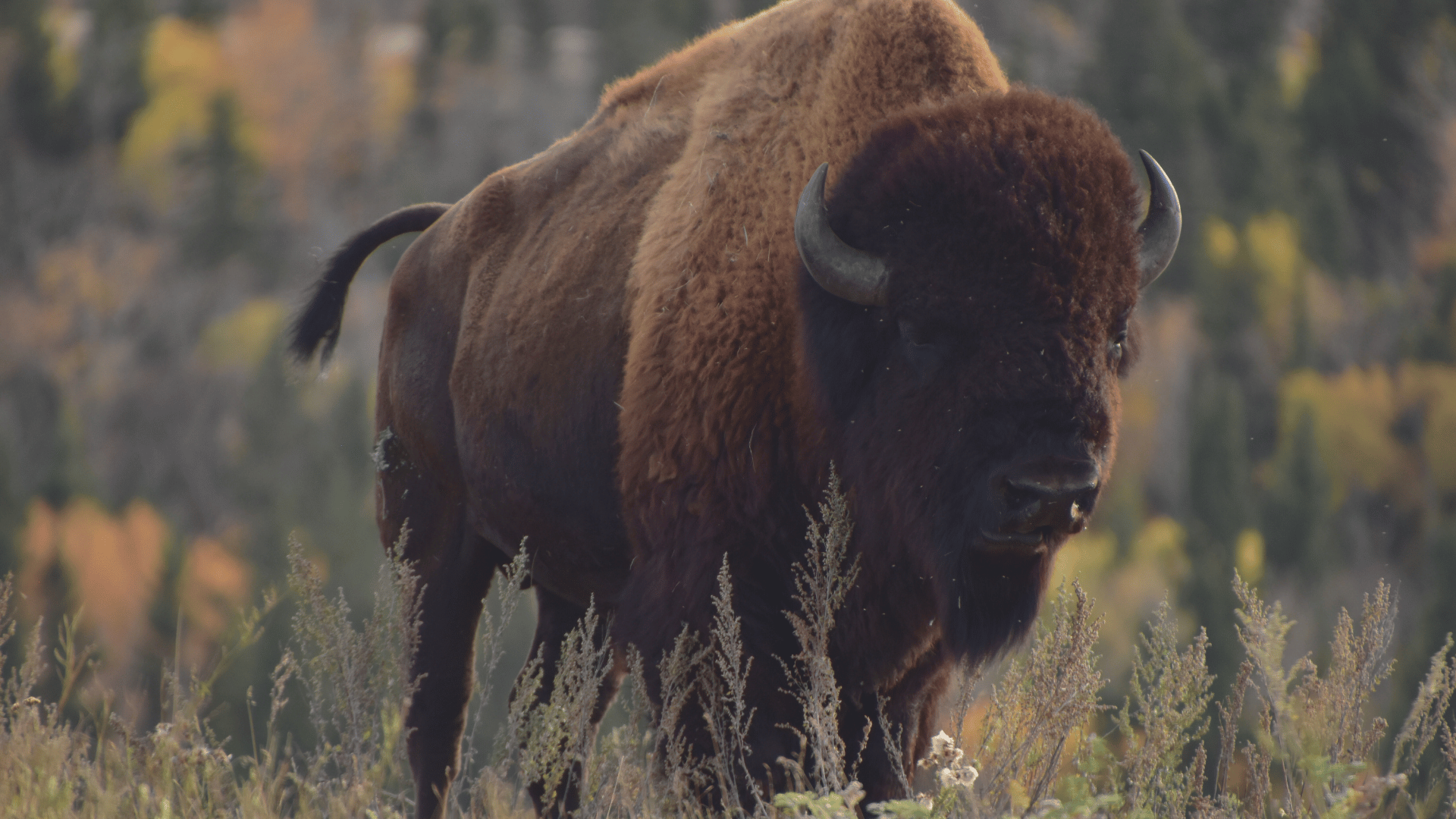
Photo Courtesy Brandon Withrow
Why an Indigenous Road Trip?
Alberta is a bucket-lister for any outdoors lover. No one understands the outdoors like those whose spirituality is connected to the land and whose ancestors have called it home from time immemorial.
Indigenous tourism in Canada adds $3.7 billion to the nation’s GDP, and it’s growing so fast that the popular adventure company, Intrepid, recently announced that they are investing $500,000 CAD over the next five years into Indigenous tourism in Canada. And I know why. Every adventure I’ve had on Indigenous lands with Indigenous guides in the past has allowed me to understand nature better, as well as what it takes to protect it and the cultures that were here first.
Tourism plays a big role in that. Indigenous tours, lodges, and resorts lean into thousands of years of history, generational knowledge, and respect for the land.
This four-day, road-trip (mapped here) will introduce you to that world.
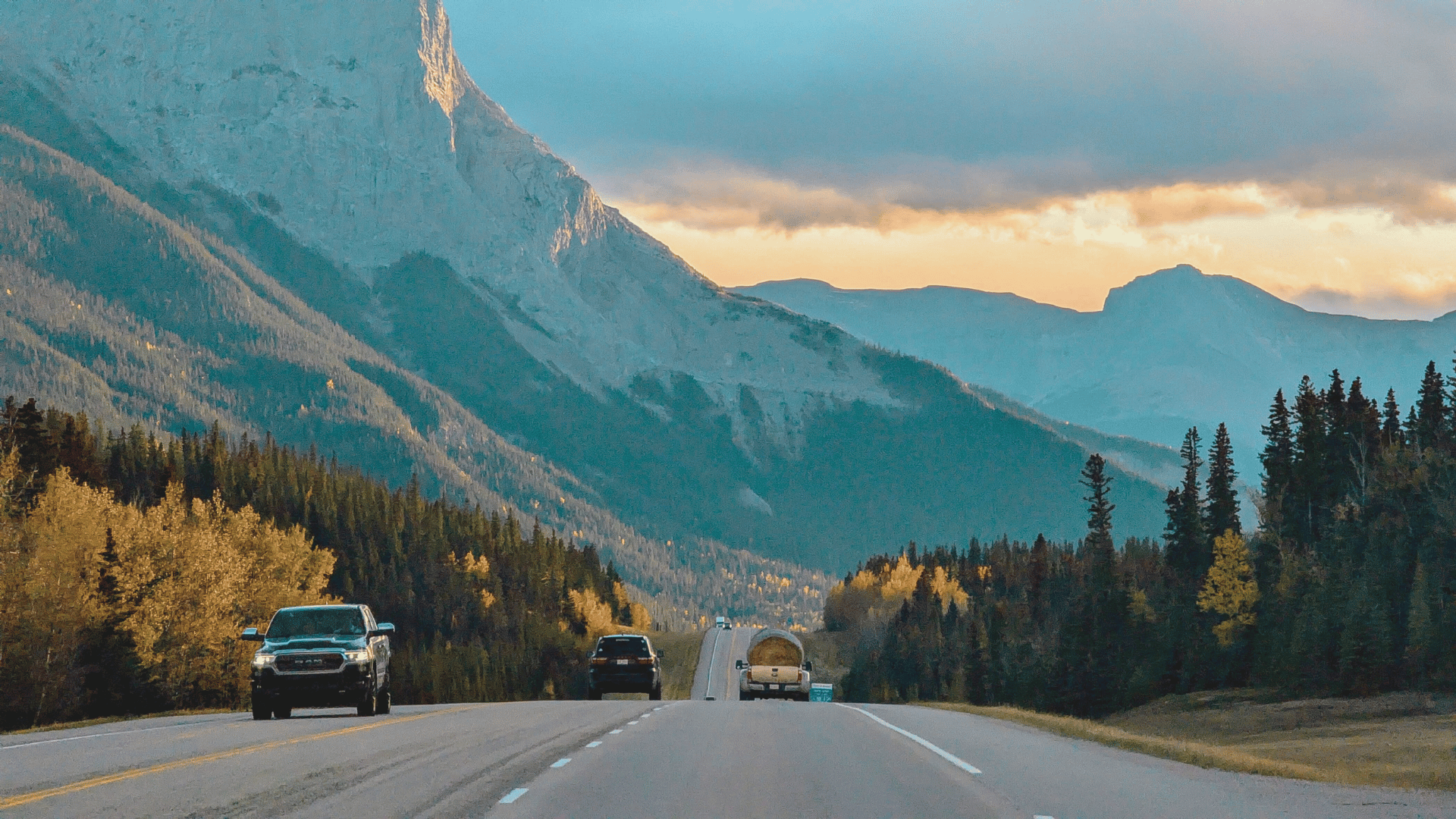
Photo Courtesy Brandon Withrow
Arrive in Edmonton
It had been a minute since I was last in Edmonton, the capital of Alberta. This was my starting place for part one of my journey: Jasper National Park. After a long day of flights, I wasted no time getting the rental and hitting the largely straight (3.5 hour) drive along Route 16, part of the northerly extension of the Trans Canada Highway.
“Pack snacks,” I was told. “There aren’t a lot of places to get food along the way.” And I’m glad I did.
The roughly four-hour drive through sloping prairieland is beautiful, but when you’re alone, you’re left with that annoying internal monologue. So I cranked up my music, binged on snack bars, and guzzled my giant coffee. (Coincidentally, I also discovered that there weren’t that many restrooms along the way.)
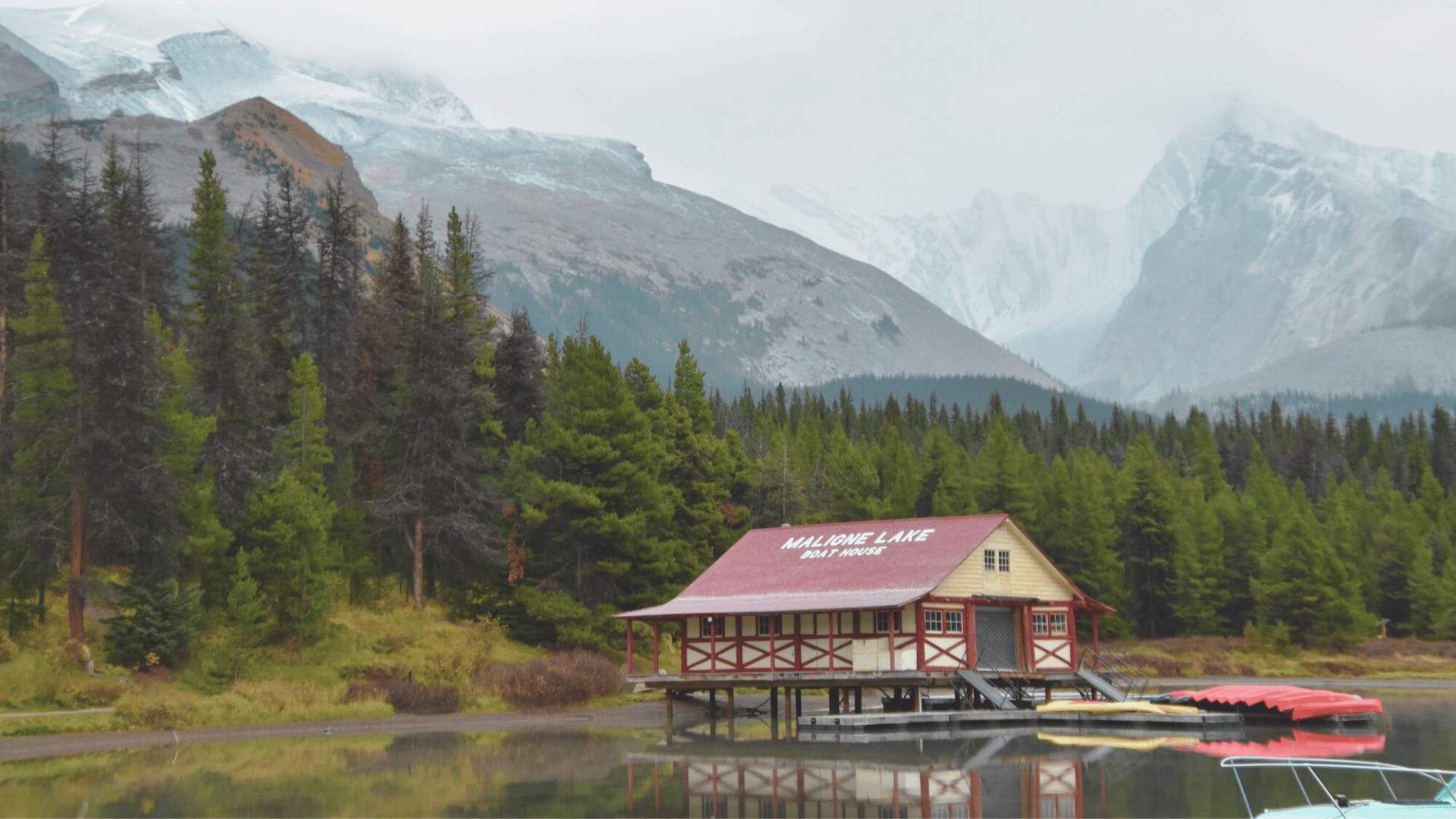
Photo Courtesy of Brandon Withrow
Jasper National Park
The Canadian Rockies are stunning, and I knew I was getting close to Jasper when the landscape began reaching for the sky. A year earlier, Jasper experienced a massive fire that devastated 79,000 acres, but the park and town are recovering and no less beautiful for it.
There is always plenty to do in Jasper, like hiking and wildlife tours with Sundog Tours, or cycling and food tours with Jasper Food Tours, or stargazing with Jasper SkyTram Star Sessions. But for an Indigenous connection to the land, head to Maligne Lake (one-hour from town) and either rent a kayak or take the Maligne Lake Cruise tour to see Spirit Island. Since it is a sacred spot for the Stoney First Nation, outsiders are allowed to see it from the water or a nearby viewing boardwalk. It is a stunning, highly Instagrammed spot with incredible mountains and glaciers to see along the way. Next, join a Wapakwanis Plant Walk with Warrior Women, led by Matricia Brown, a Cree Knowledge Keeper, who explores the landscape to point out healing plants. The tour starts at the Jasper Museum, which is an opportunity to learn about Indigenous history.
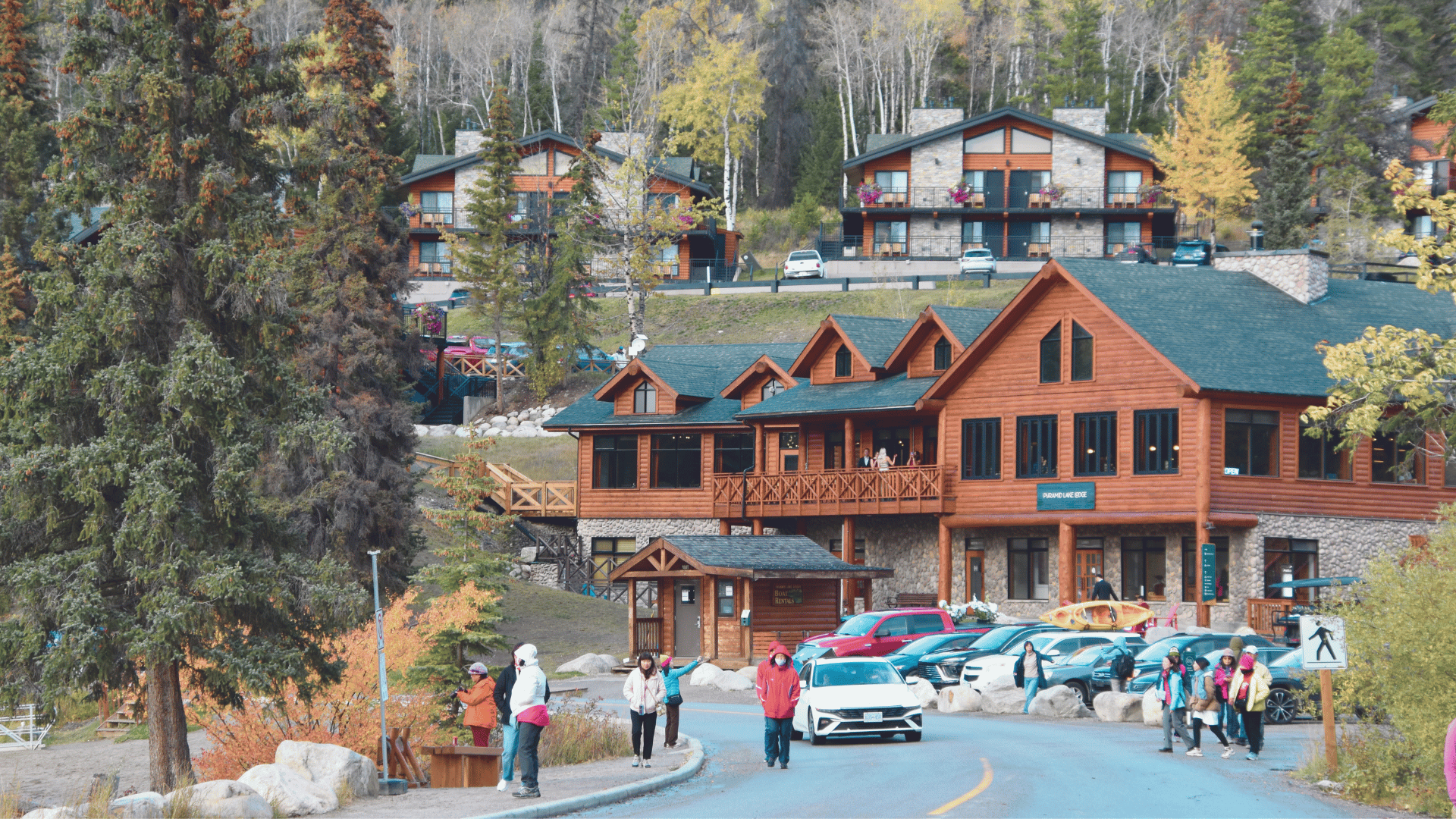
Photo Courtesy of Brandon Withrow
Where to Stay And Eat in Jasper
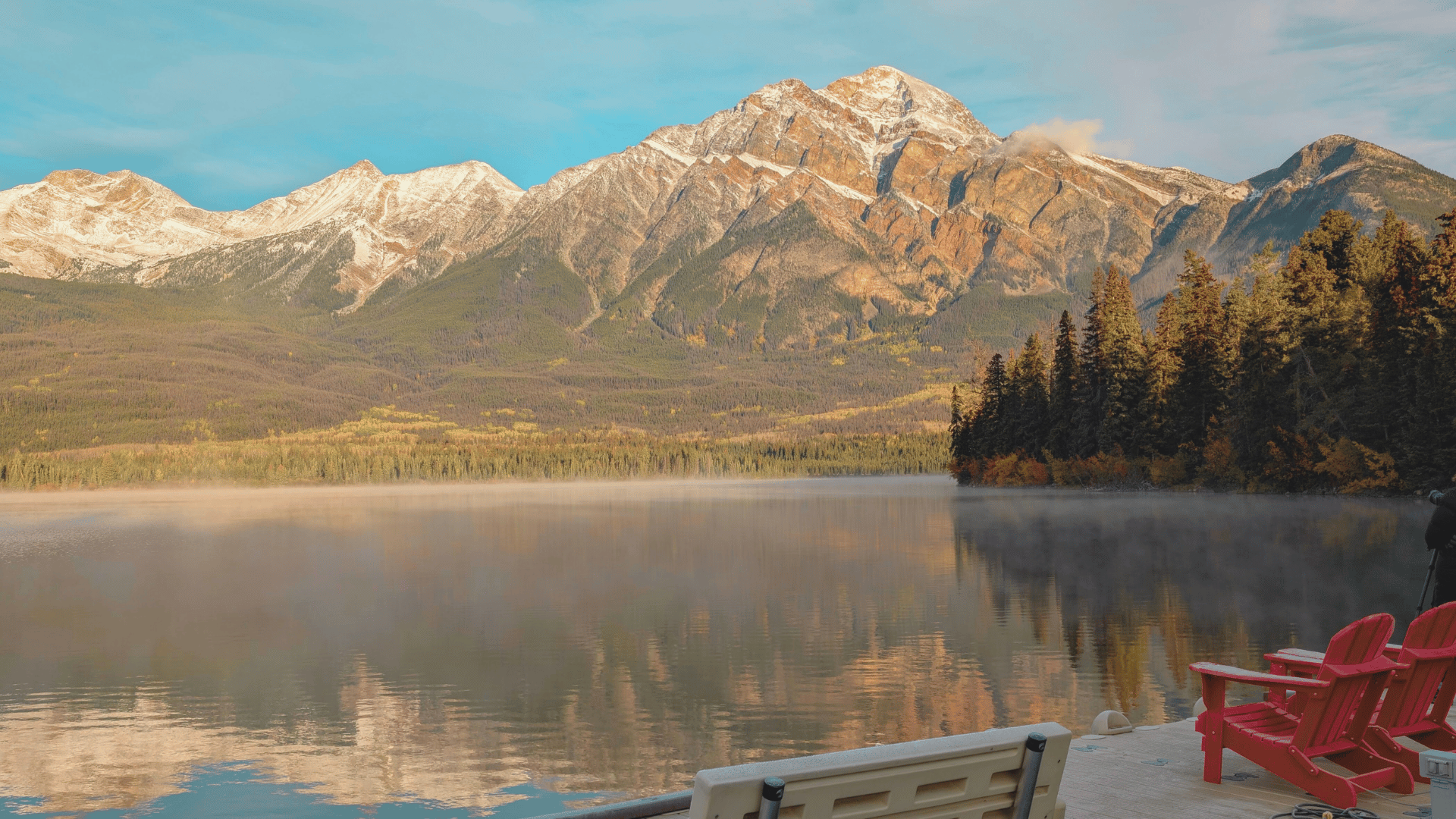
My home while here was Pyramid Lake Lodge, which offers stunning sunrise views at Pyramid Lake and kayaks for guests to use free of charge. A one bedroom has a kitchen and living space. If you’re there in the winter, you can ice-skate, snowshoe, or rent a fat-tire bike. The menu at their restaurant, Aalto, has fantastic options for breakfast and dinner, like their Bison Striploin or Salmon. In town, breakfast at Otto’s Cache, which has a wonderfully curated selection of pastries and sandwiches is always a good choice. Brews and burgers at Jasper Brewing Company makes for a good post-morning-hike lunch, and for an elevated meal with whisky cocktails, get reservations at The Maligne Range.
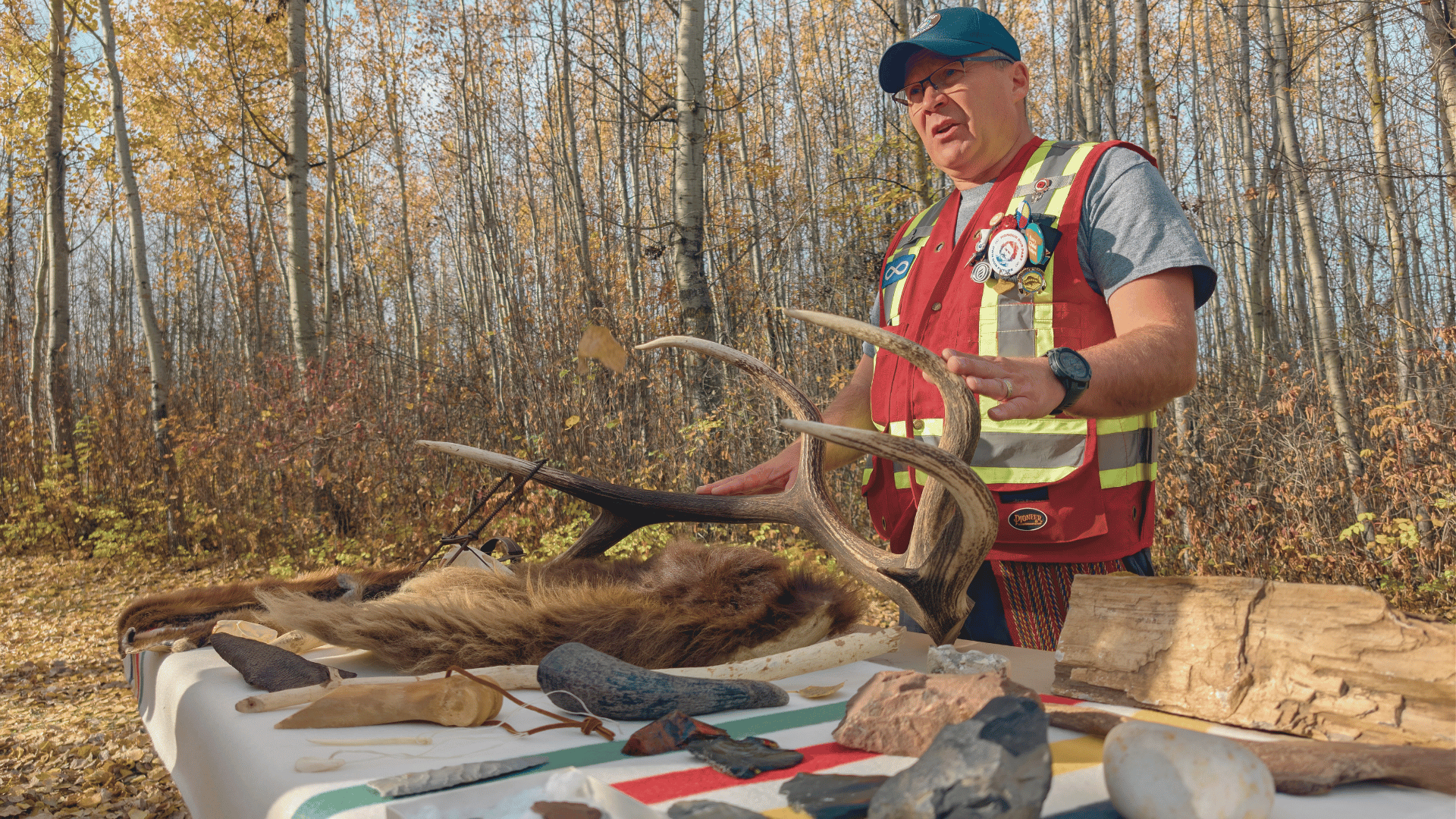
Photo Courtesy of Brandon Withrow
Heading to Métis Nation
After a couple of days in Jasper, I headed back to Edmonton to drop off my vehicle and meet up with other travel writers. (I also passed a very Albertan scene: a Conestoga Wagon and cowboys charging down the highway median.)
My trip now focused on the Métis Nation, one of three recognized Indigenous peoples in Canada (the other two being The First Nations and Inuit). The Métis people have a unique history in Canada. In the 1700s, they formed as a community of Indigenous and European families, who blended Indigenous knowledge and culture with European customs.
The first stop was Elk Island National Park, a UNESCO-designated biosphere just 40 minutes from Edmonton. It’s a great place to bird and hike, and to see a reintroduced herd of bison wandering this mix of boreal forest and prairie. It’s here that we met our Métis guide for the Elk Island Askiy-Geo Discovery Tour, walked trails, learned about the geological secrets of Alberta, as well as about Métis history and culture. (I also occasionally sidestepped Bison scat that was bigger than my head.)
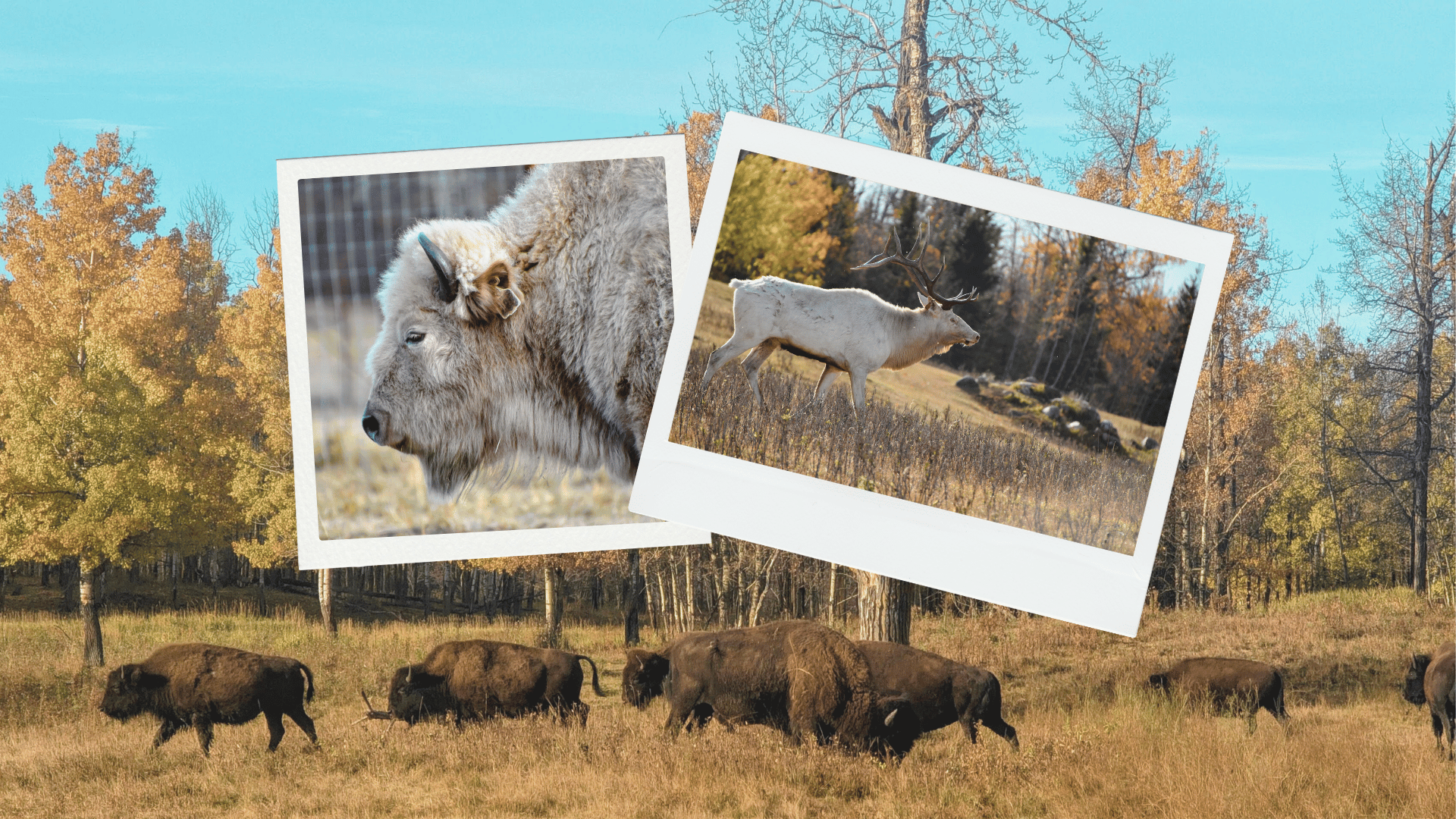
It was our next stop at Métis Crossing—the heart of Métis cultural tourism—that blew my mind. With a Métis guide we safely got an up-close tour—without being on the business end of a goring—of white bison and white elk, wood bison, plains bison, and Percheron horses. The Visions, Hopes, and Dreams Wildlife Tour takes guests to see wildlife being restored to the land they once roamed freely.
Photos Courtesy of Brandon Withrow
Where to Stay and Eat
Métis Crossing is also a lodge with traditional rooms, as well as Sky Watching Domes where you can sleep under the stars of the dark sky. They offer kayaking, skiing, and bike and cultural tours. The lodge restaurant, like the people it represents, offers a fusion of Indigenous and European dishes, bringing a modern take on classic Indigenous, and locally sourced, ingredients. Pro-tip: When it comes to Indigenous food, never miss an opportunity to have bannock and Saskatoon berries.
My roughly four-day trip was short, but it brought me into the world of Indigenous Alberta and allowed me to see a life connected to wild and beautiful spaces. Indigenous tourism not only enlightens us, it becomes an opportunity to support those communities, enrich the environment, and to have a trip you’ll never forget.
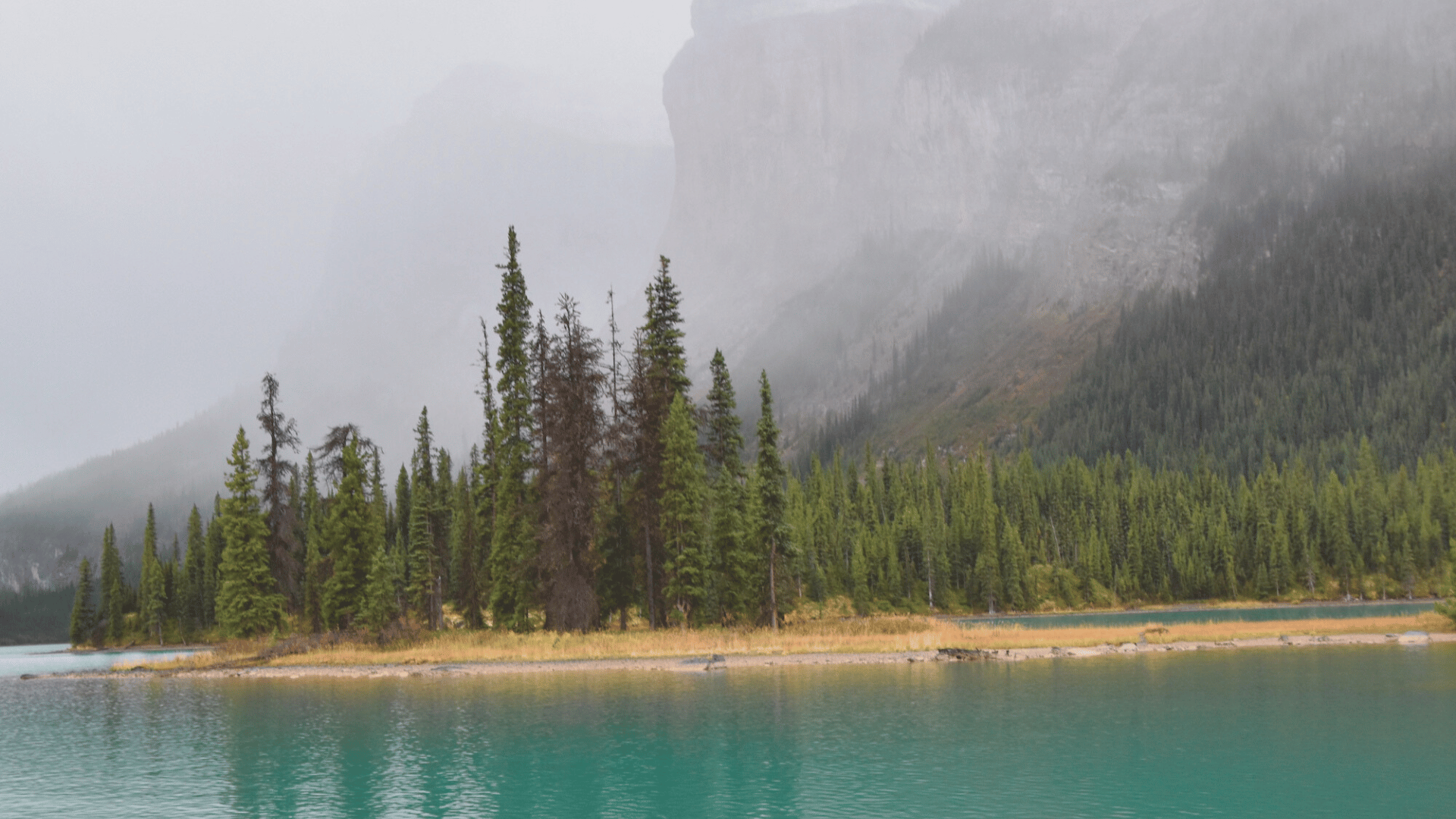
Photo Courtesy of Brandon Withrow