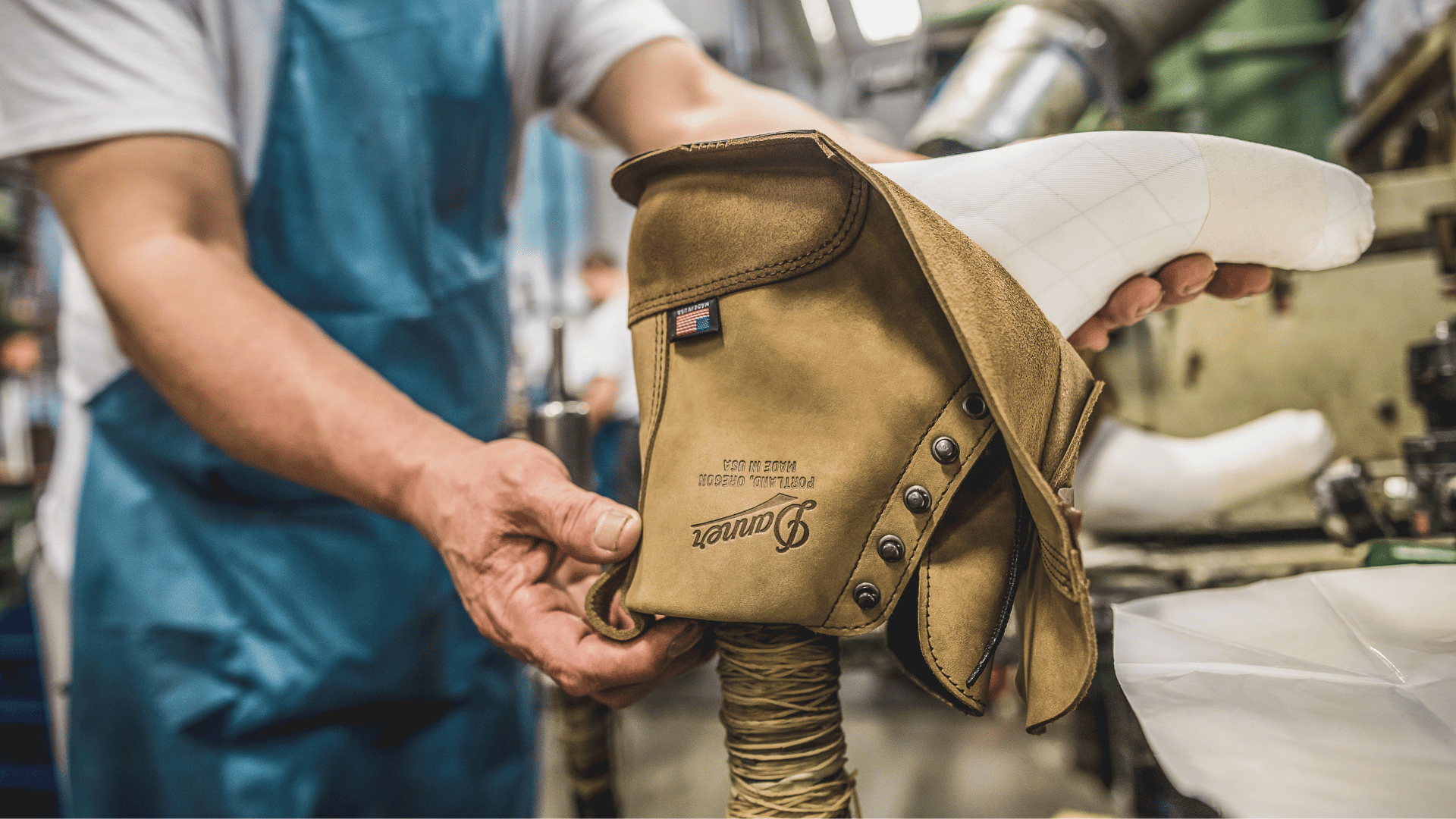

Having grown up in rural Pennsylvania and now living on a five-acre farm, I appreciate when workwear is celebrated not as costume, but for the utilitarian value it was designed to deliver. Take the barn jacket. Simple by design. It has evolved into a fall staple thanks to its roomy cut, easy styling, and the way it channels a blue-collar everyman sensibility that has shaped menswear since the decline of the hashtag-menswear movement in the mid-2010s.
Of course, not all barn jackets are created equal. The right one comes down to details. Cut, fabric, construction. And sometimes, the best choice isn’t new at all, but a vintage find with the kind of character you can’t buy off the rack.
Finding the Right Jacket
Because of their simple design, barn jackets are endlessly styleable, but that also means there is little room for error in designing the right one. A barn jacket doesn’t need much to make it a wardrobe staple, but you’d be surprised how often brands try to overcompensate for its utilitarian purpose and, in doing so, stray away from one of the reasons people are actually drawn to it.
Keep the design features to a minimum and be weary of a hefty price tag and luxury (read: fussy) materials. A barn jacket is an everyman’s workhorse for light layering, so if you’re looking at a $1,000 designer barn jacket, may I recommend looking for the nearest Tractor Supply on Google Maps and saving a few hundred? Stick with the basics here and you’ll be doing just fine. Cotton, waxed canvas, waterproof nylon. Anything else begins to stray into superfluousness.
Regarding fit, it needs to be slightly oversized and roomy. This is why it’s a seasonal GOAT, perfect for keeping the elements off your back and roomy enough to layer over a chunky knit. With a bit of an oversized feel, be aware the sleeves may be slightly longer than another jacket in your rotation. Don’t stress. Embrace the imperfect proportions. A barn jacket is masculine enough to counterbalance the feeling that you look like you’re playing dress-up in your father’s closet.
Finally, be aware of what a barn jacket is not. A barn jacket isn’t a chore coat, which tends to come in a more structured, non-lined canvas and has a longer silhouette and flatter front pockets. It’s not a trucker either, which tends to be shorter and slightly cinched at the waist with two pockets on the chest. And while it’s a close cousin of the hunting jacket, it’s best to leave the cinched waist of a Belstaf Trialmaster to those across the Atlantic.
Styling a Barn Jacket
A barn jacket’s place among workwear automatically gives it an advantage over other outerwear options. It never runs the risk of being overly formal, like a trench coat. Or on the flip side, too informal (like a denim jacket). It sits in the Goldilocks zone of being versatile enough for nearly any everyday occasion.
The simplest option is to wear it with a white tee and a pair of jeans. Avoid adding too much to the masculinity of the garment with something heavy, like boots, and instead go with something a tad more casual, like a pair of New Balances or clogs. If it’s a particularly chilly day, a sweatshirt or hoodie can add that extra layer of warmth with a barn jacket accommodating for that slight bit of extra bulk.
But you can also get creative here. You can play with contrasts. Trousers, loafers, and a messy oxford for a high-low pairing with a barn jacket. Try it on with different outfits. Surprise yourself. You’ll discover new ways to style it, even if you’ve had it for years.
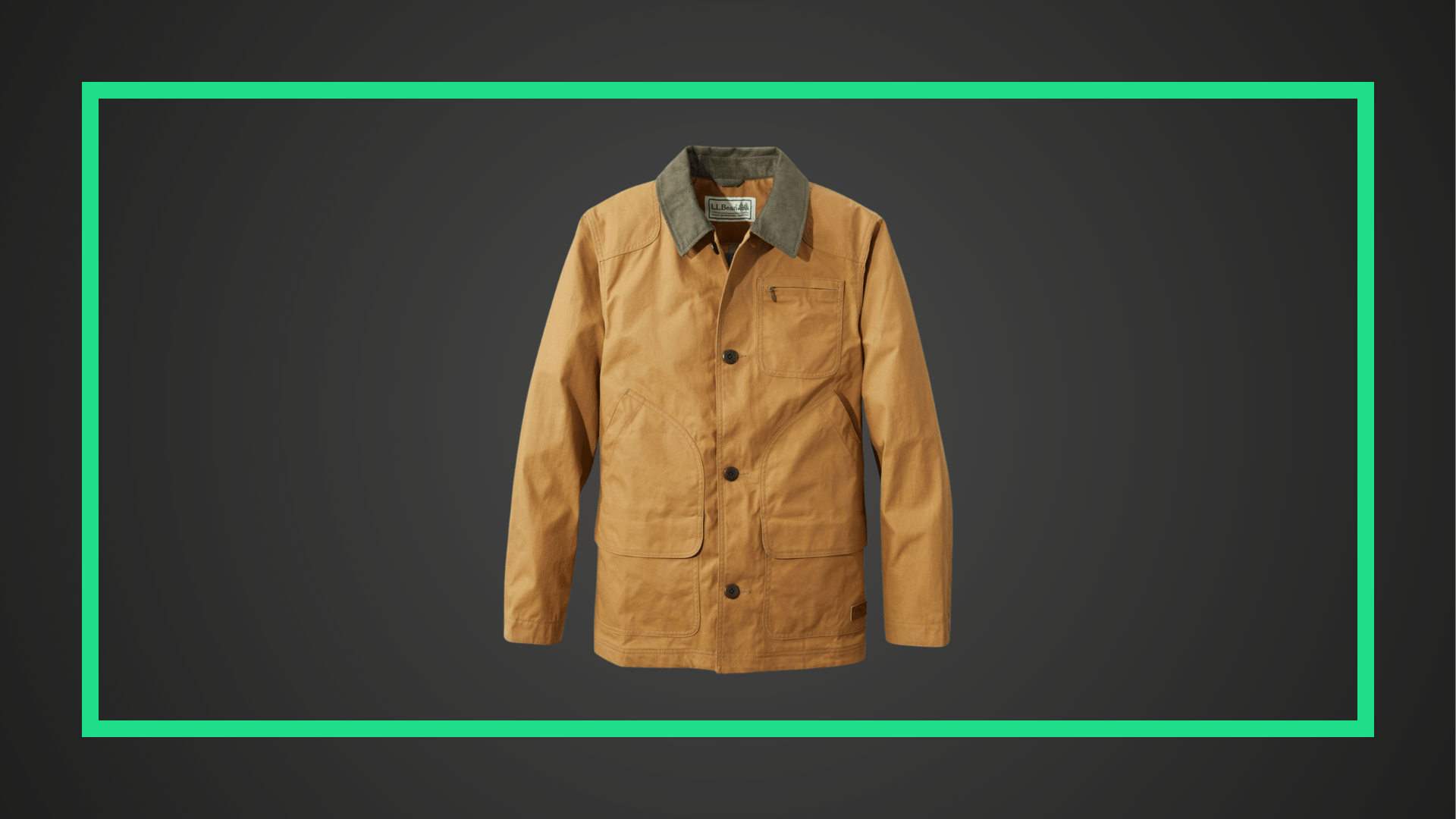
Photo via L.L. Bean
L.L. Bean 1924 Men’s Barn Jacket
A true Platonic ideal of a barn jacket, L.L. Bean first introduced this model a century ago and it’s shocking how modern it still looks today. The British Millerain wax cotton shell and chamois lining add a layer of protection against the elements but also add a slight elevation. The oversized fit is counterbalanced with the higher armpit to hug at the chest, and the contrasting green color highlights the detailing which has ultimately made L.L. Bean an iconic brand of stylish outerwear for generations.
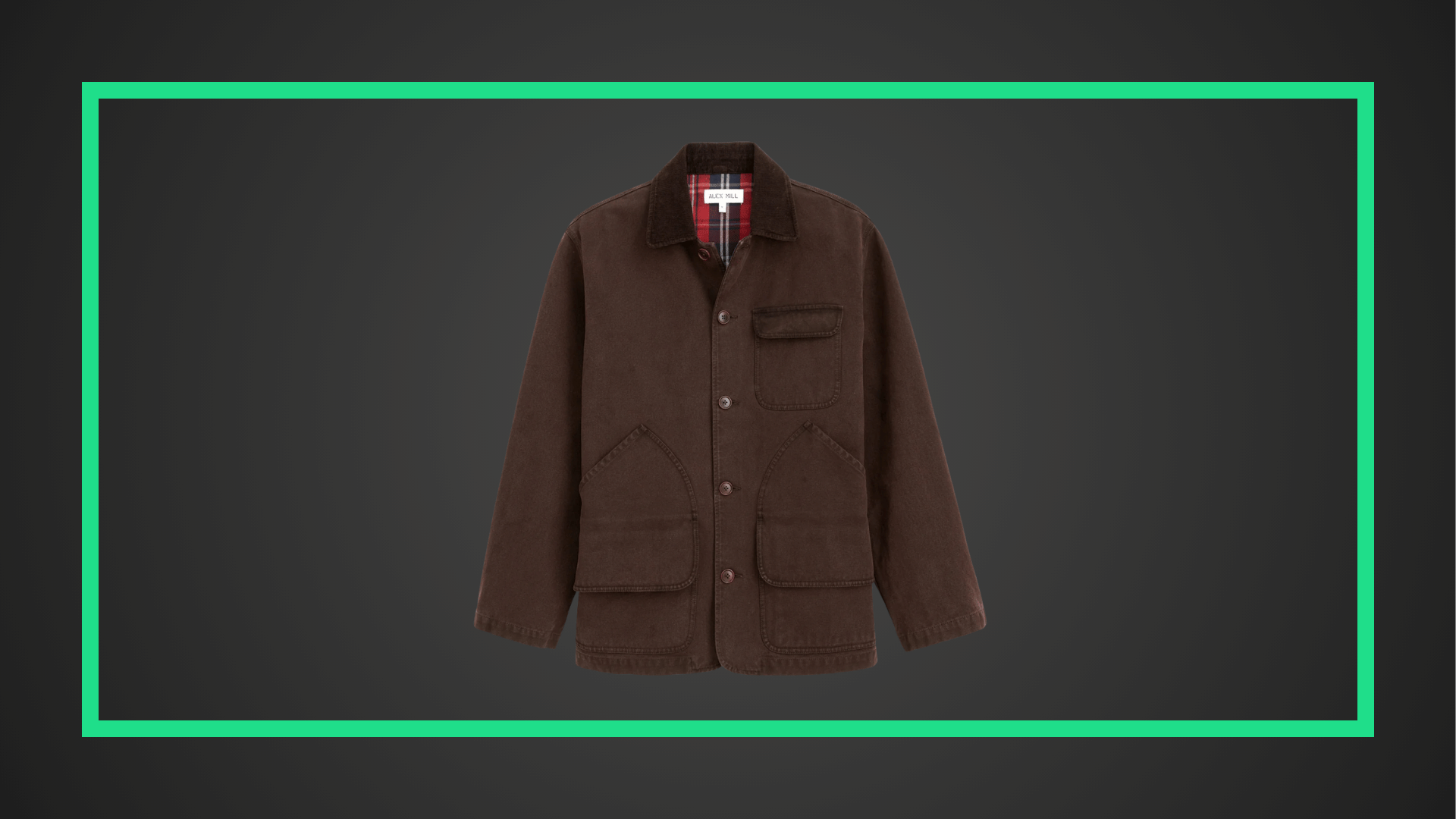
Photo via Alex Mill
Alex Mill Frontier Jacket
Alex Mill has made a reputation for itself as a brand which breathes new life and energy into classic menswear staples. Their frontier jacket, a riff on a 1950’s barn jacket, has all the ingredients for a perfect throw-on-and-go piece. I’m particularly fond of the washed cotton used for the outer shell, giving it a comfortable, lived-in feel, but the corduroy collar and flannel lining are equally enjoyable if for nothing else but the authenticity of its look, reminding me of the generations of men in my family who are farmers and wore jackets exactly like these in family photos I’ve seen throughout the years.
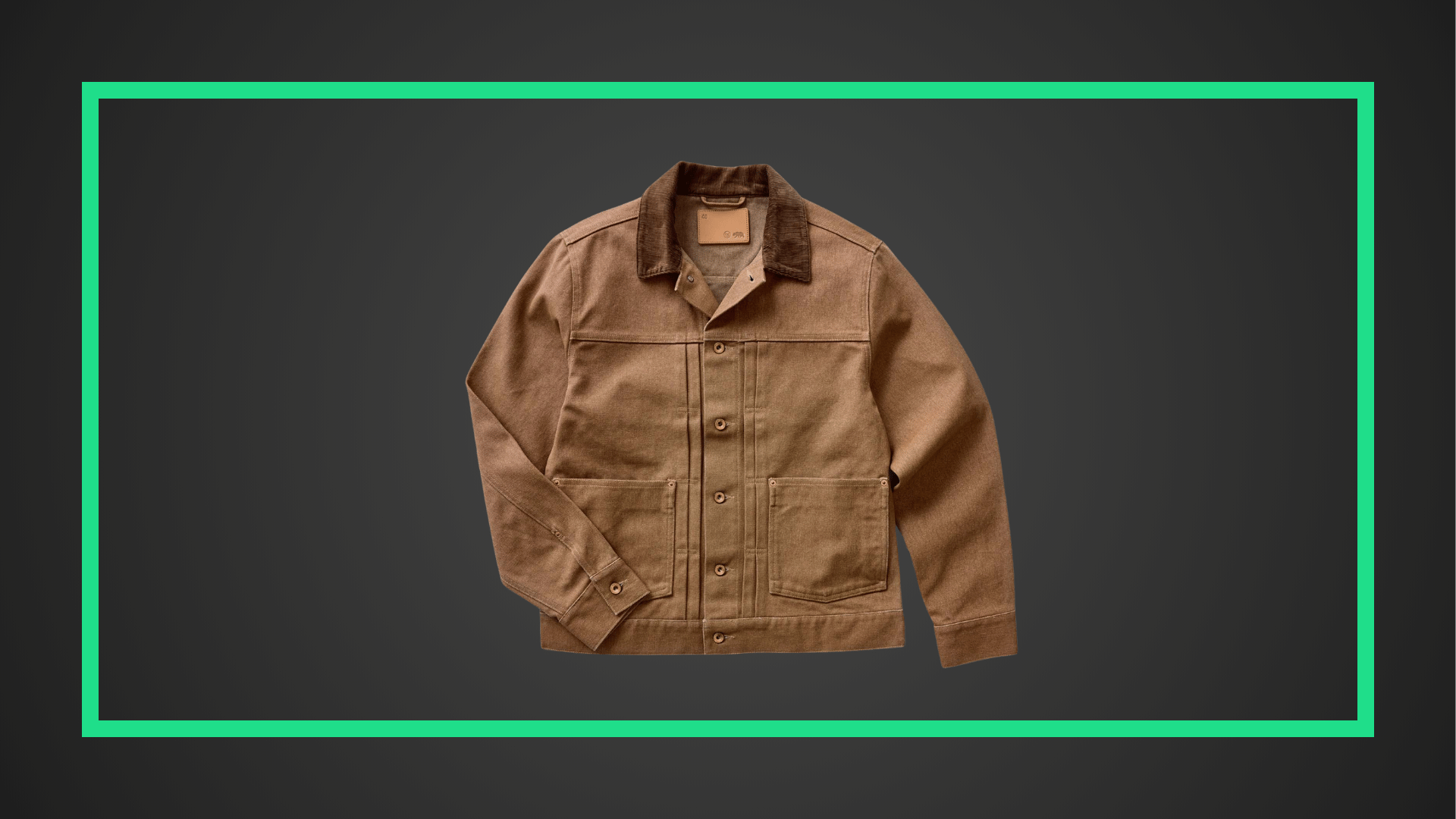
Photo via Taylor Stitch
Taylor Stitch Ryder Jacket
For a more casual fit that perhaps mimics more traditional styles in your wardrobe, the Ryder balances the workwear heritage of the barn jacket but in a slightly more modern context. With its cotton canvas shell and corduroy collar, it definitely trends towards a barn jacket, but the copper tack buttons and slight crop give it an updated feel, which may appeal to those city slickers who don’t want to stray too far away from their comfort zone.
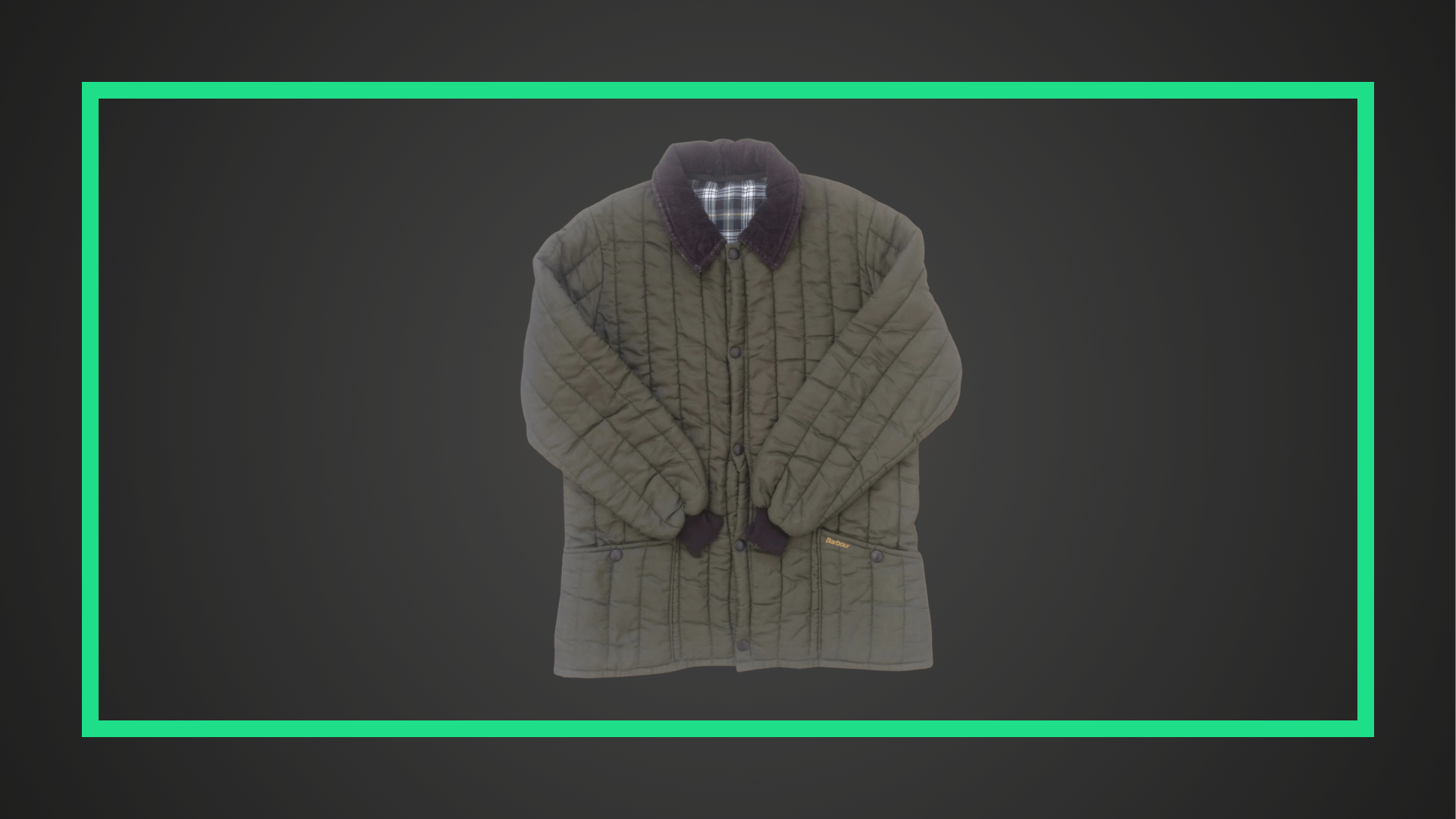
Photo via eBay
Vintage Barn Jackets
The beauty of this particular style of jacket is that its long history means you have a wealth of second-hand options to choose from. For me, nearly all my barn jackets have been used to clean up after a flock of chickens, to collect eggs, or to try to trap a rogue skunk in my coat to get it out of the horse stall. Because of this, I haven’t wanted to invest in a new jacket and have found eBay to be a trove of options to choose from.
Vintage offers you a good price, yes, but also opens up the possibilities of getting a brand like Barbour for a fraction of the price. While it may not be one of the more fashionable models like the Beaufort or Ashby, the quality of these garments can be felt, even decades later. My personal favorite I’ve gotten second-hand? An voluminous quilted Barbour jacket that I love to roll the sleeves and wear with baggy jeans and a rollneck in the winter.
Another advantage in particular for barn jackets is that this particular style is a bit more forgiving for being oversized, meaning you don’t have to be too precious with fit and tailoring cuts as you would with, say, a suit jacket. You can experiment with proportions a bit and, in the end, find a style that suits your needs, your budget, and your personal taste.